MENU

Bibliography Options Menu

The Electronic Scholarly Publishing Project: Providing world-wide, free access to classic scientific papers and other scholarly materials, since 1993.
More About: ESP | OUR CONTENT | THIS WEBSITE | WHAT'S NEW | WHAT'S HOT
ESP: PubMed Auto Bibliography 23 Oct 2026 at 01:59 Created:
Mitochondrial Evolution
The endosymbiotic hypothesis for the origin of mitochondria (and chloroplasts) suggests that mitochondria are descended from specialized bacteria (probably purple nonsulfur bacteria) that somehow survived endocytosis by another species of prokaryote or some other cell type, and became incorporated into the cytoplasm.
Created with PubMed® Query: ( mitochondria AND evolution NOT 26799652[PMID] NOT 33634751[PMID] NOT 38225003[PMID]) NOT pmcbook NOT ispreviousversion
Citations The Papers (from PubMed®)
RevDate: 2026-10-20
CmpDate: 2026-10-20
First mitochondrial genomes in the Effusa clade (Gastropoda, Ampullariidae): unveiling new insights from Neotropical endemic Pomacea spp.
BMC genomics, 27(1):.
BACKGROUND: Pomacea is the most diverse genus of the freshwater snail family Ampullariidae, which have been proposed as model organisms in biogeography, speciation and invasive biology. While substantial effort has been put into the mitochondrial genomes of Pomacea clades associated with invasive species (P. canaliculata and P. bridgesii groups), comparatively little is known about the mitogenomic organization and structure within the Effusa clade.
RESULTS: This study provides the first complete and annotated mitochondrial genomes of the Effusa clade, based on Pomacea nobilis (Reeve, 1856) and a putative undescribed Pomacea lineage (hereafter Pomacea sp.). The mitochondrial genome of P. nobilis (16,279 - 16,471 bp) and Pomacea sp. (16,355 bp) are among the largest recorded for Pomacea and contain the typical 37 animal genes. A comparative analysis with other Ampullariidae revealed that the Effusa clade differs from both P. canaliculata and P. bridgesii clades mainly by the higher proportion of intergenic regions, the size of many genes (ATP8, ATP6, NAD6, COIII and NAD2), the largest ribosomal RNAs among Pomacea and a putative large repetitive unit in the control region.
CONCLUSION: These findings highlight the distinctiveness of Effusa clade mitogenomes in comparison with the P. canaliculata and P. bridgesii groups. Further mitogenomic studies on underexplored Pomacea lineages will be important to broaden our understanding of mitochondrial genome diversity among apple snails.
Additional Links: PMID-42897496
PubMed:
Citation:
show bibtex listing
hide bibtex listing
@article {pmid42897496,
year = {2026},
author = {Mendivil, A and Ramírez, R and Morin, J and Ramirez, JL and Shiga, B and Oliveros, N and Congrains, C and Martin, MD},
title = {First mitochondrial genomes in the Effusa clade (Gastropoda, Ampullariidae): unveiling new insights from Neotropical endemic Pomacea spp.},
journal = {BMC genomics},
volume = {27},
number = {1},
pages = {},
pmid = {42897496},
issn = {1471-2164},
mesh = {Animals ; *Genome, Mitochondrial ; Phylogeny ; *Gastropoda/genetics/classification ; RNA, Transfer/genetics ; DNA, Mitochondrial/genetics ; RNA, Ribosomal/genetics ; },
abstract = {BACKGROUND: Pomacea is the most diverse genus of the freshwater snail family Ampullariidae, which have been proposed as model organisms in biogeography, speciation and invasive biology. While substantial effort has been put into the mitochondrial genomes of Pomacea clades associated with invasive species (P. canaliculata and P. bridgesii groups), comparatively little is known about the mitogenomic organization and structure within the Effusa clade.
RESULTS: This study provides the first complete and annotated mitochondrial genomes of the Effusa clade, based on Pomacea nobilis (Reeve, 1856) and a putative undescribed Pomacea lineage (hereafter Pomacea sp.). The mitochondrial genome of P. nobilis (16,279 - 16,471 bp) and Pomacea sp. (16,355 bp) are among the largest recorded for Pomacea and contain the typical 37 animal genes. A comparative analysis with other Ampullariidae revealed that the Effusa clade differs from both P. canaliculata and P. bridgesii clades mainly by the higher proportion of intergenic regions, the size of many genes (ATP8, ATP6, NAD6, COIII and NAD2), the largest ribosomal RNAs among Pomacea and a putative large repetitive unit in the control region.
CONCLUSION: These findings highlight the distinctiveness of Effusa clade mitogenomes in comparison with the P. canaliculata and P. bridgesii groups. Further mitogenomic studies on underexplored Pomacea lineages will be important to broaden our understanding of mitochondrial genome diversity among apple snails.},
}
MeSH Terms:
show MeSH Terms
hide MeSH Terms
Animals
*Genome, Mitochondrial
Phylogeny
*Gastropoda/genetics/classification
RNA, Transfer/genetics
DNA, Mitochondrial/genetics
RNA, Ribosomal/genetics
RevDate: 2026-10-20
CmpDate: 2026-10-20
A Self-Regenerating Mixed-Valence FeOx-TiO2 Nanoplatform for Mitochondrion-Targeted Triple-Modal Cancer Therapy.
International journal of nanomedicine, 21:629321.
PURPOSE: Reactive oxygen species (ROS) cancer therapy is limited by short ROS lifetime, restricted diffusion, and lack of subcellular targeting. Current approaches physically mix independent components, causing complexity and decoupled actions. To overcome these barriers, we developed a mitochondrion-targeted nanoplatform (FTDT) built on a FeOx-TiO2 composite core with intrinsic mixed-valence Fe[2][+]/Fe[3][+] pairs. The FT core acts as photosensitizer, while FeOx provides catalase- and peroxidase-like activities, integrating self-oxygenation, antioxidant depletion, self-amplifying redox cycling, photosensitization, photothermal conversion, and organelle anchoring into a single entity.
METHODS: FTDT was synthesized via a hydrothermal method, PDA coating, and TPP conjugation. Mixed-valence state was confirmed by XPS. Catalase- and peroxidase-like activities were evaluated by O2 and ∙OH detection. UV-Vis-NIR spectroscopy characterized optical absorption. Photothermal conversion was measured under 808 nm laser. [1]O2 generation was detected using DPBF. Intracellular hypoxia, ROS, mitochondrial targeting, membrane potential, and lysosomal integrity were assessed by fluorescence microscopy. Cytotoxicity and in vivo efficacy were evaluated in A549 cells and xenograft mice.
RESULTS: FTDT showed a self-amplifying cycle: Fe[2]⁺ drives ∙OH generation, Fe[3]⁺ consumes GSH and regenerates Fe[2]⁺; Fe[3]⁺ from Fenton reaction replenishes the Fe[3]⁺ pool. The core converted H2O2 to O2. FT core with PDA-enabled NIR absorption allowed [1]O2 generation and photothermal conversion. TPP enabled mitochondrial localization, inducing dysfunction, lipid peroxidation, and lysosomal disruption, leading to cell death. In vitro and in vivo studies confirmed antitumor efficacy with good biocompatibility.
CONCLUSION: By unifying self-oxygenation, antioxidant depletion, self-amplifying redox cycling, photosensitization, photothermal conversion, and organelle anchoring, FTDT offers a clinically translatable strategy to overcome key barriers in ROS-based cancer therapy.
Additional Links: PMID-42899199
PubMed:
Citation:
show bibtex listing
hide bibtex listing
@article {pmid42899199,
year = {2026},
author = {Xia, Y and Wang, M and Zhou, Y and Wei, R and Wang, Y and Hua, L and Fang, Q and Chen, Y},
title = {A Self-Regenerating Mixed-Valence FeOx-TiO2 Nanoplatform for Mitochondrion-Targeted Triple-Modal Cancer Therapy.},
journal = {International journal of nanomedicine},
volume = {21},
number = {},
pages = {629321},
pmid = {42899199},
issn = {1178-2013},
mesh = {Animals ; Humans ; *Mitochondria/drug effects/metabolism ; Mice ; *Photosensitizing Agents/chemistry/pharmacology ; Reactive Oxygen Species/metabolism ; *Titanium/chemistry/pharmacology ; A549 Cells ; *Ferric Compounds/chemistry/pharmacology ; Female ; Mice, Nude ; Xenograft Model Antitumor Assays ; },
abstract = {PURPOSE: Reactive oxygen species (ROS) cancer therapy is limited by short ROS lifetime, restricted diffusion, and lack of subcellular targeting. Current approaches physically mix independent components, causing complexity and decoupled actions. To overcome these barriers, we developed a mitochondrion-targeted nanoplatform (FTDT) built on a FeOx-TiO2 composite core with intrinsic mixed-valence Fe[2][+]/Fe[3][+] pairs. The FT core acts as photosensitizer, while FeOx provides catalase- and peroxidase-like activities, integrating self-oxygenation, antioxidant depletion, self-amplifying redox cycling, photosensitization, photothermal conversion, and organelle anchoring into a single entity.
METHODS: FTDT was synthesized via a hydrothermal method, PDA coating, and TPP conjugation. Mixed-valence state was confirmed by XPS. Catalase- and peroxidase-like activities were evaluated by O2 and ∙OH detection. UV-Vis-NIR spectroscopy characterized optical absorption. Photothermal conversion was measured under 808 nm laser. [1]O2 generation was detected using DPBF. Intracellular hypoxia, ROS, mitochondrial targeting, membrane potential, and lysosomal integrity were assessed by fluorescence microscopy. Cytotoxicity and in vivo efficacy were evaluated in A549 cells and xenograft mice.
RESULTS: FTDT showed a self-amplifying cycle: Fe[2]⁺ drives ∙OH generation, Fe[3]⁺ consumes GSH and regenerates Fe[2]⁺; Fe[3]⁺ from Fenton reaction replenishes the Fe[3]⁺ pool. The core converted H2O2 to O2. FT core with PDA-enabled NIR absorption allowed [1]O2 generation and photothermal conversion. TPP enabled mitochondrial localization, inducing dysfunction, lipid peroxidation, and lysosomal disruption, leading to cell death. In vitro and in vivo studies confirmed antitumor efficacy with good biocompatibility.
CONCLUSION: By unifying self-oxygenation, antioxidant depletion, self-amplifying redox cycling, photosensitization, photothermal conversion, and organelle anchoring, FTDT offers a clinically translatable strategy to overcome key barriers in ROS-based cancer therapy.},
}
MeSH Terms:
show MeSH Terms
hide MeSH Terms
Animals
Humans
*Mitochondria/drug effects/metabolism
Mice
*Photosensitizing Agents/chemistry/pharmacology
Reactive Oxygen Species/metabolism
*Titanium/chemistry/pharmacology
A549 Cells
*Ferric Compounds/chemistry/pharmacology
Female
Mice, Nude
Xenograft Model Antitumor Assays
RevDate: 2026-10-18
CmpDate: 2026-10-19
Assembly and comparative analysis of the complete mitochondrial genome of a orchid cultivar 'Jingzi' reveals multichromosomal architecture and plastid-derived DNA transfers.
BMC plant biology, 26(1):.
BACKGROUND: Orchidaceae is one of the most diverse flowering plant families in angiosperms and holds significant cultural, economic, and ecological value in China. Despite economic and horticultural significance, the mitochondrial genomes of Cymbidium kanran remain poorly characterized.
RESULTS: We assembled and annotated the complete mitochondrial genome of a new orchid variety, 'Jingzi', using PacBio HiFi sequencing technology. The mitochondrial genome is 704, 624 bp in length with a GC content of 43.91%, comprising 24 circular contigs. It contains 38 protein-coding genes (PCGs), including 24 unique core mitochondrial genes, 27 tRNA genes, and 3 rRNA genes. Notably, atp6 exhibits an unprecedented duplication event. Intracellular gene transfer analysis revealed 91 fragments homologous between mitochondria and chloroplasts, totaling 92, 762 bp (13.16% of the mitochondrial genome). Based on 24 conserved PCGs from 20 angiosperm species, our phylogenetic analysis indicated a potential affinity between 'Jingzi' and Paphiopedilum from Shenzhen. Given the poor sampling of closely related genera within Cymbidium, this observation is preliminary and awaits validation from future studies with expanded taxon coverage.
CONCLUSIONS: This study elucidates the main features of the 'Jingzi' mitochondrial genome, highlights extensive mitochondrial-chloroplast homology, and reports the presence of two copies of atp6 in the mitochondrial genome. These findings provide valuable insights for genetic and evolutionary studies of orchids.
Additional Links: PMID-42894133
PubMed:
Citation:
show bibtex listing
hide bibtex listing
@article {pmid42894133,
year = {2026},
author = {Zhang, B and Tang, J and Wang, H and Wang, B and Zhang, Z and Liu, G and Li, Y and Wei, J and Zhang, J},
title = {Assembly and comparative analysis of the complete mitochondrial genome of a orchid cultivar 'Jingzi' reveals multichromosomal architecture and plastid-derived DNA transfers.},
journal = {BMC plant biology},
volume = {26},
number = {1},
pages = {},
pmid = {42894133},
issn = {1471-2229},
support = {XY-TD-22-05//Research Fund from Chief Expert Team Project of Beijing Vocational College of Agricultural/ ; KJCX20230203, KJCX20230120//Beijing Academy of Agriculture and Forestry Sciences Science Foundation/ ; },
mesh = {*Orchidaceae/genetics ; *Genome, Mitochondrial/genetics ; Phylogeny ; *Plastids/genetics ; Gene Transfer, Horizontal ; },
abstract = {BACKGROUND: Orchidaceae is one of the most diverse flowering plant families in angiosperms and holds significant cultural, economic, and ecological value in China. Despite economic and horticultural significance, the mitochondrial genomes of Cymbidium kanran remain poorly characterized.
RESULTS: We assembled and annotated the complete mitochondrial genome of a new orchid variety, 'Jingzi', using PacBio HiFi sequencing technology. The mitochondrial genome is 704, 624 bp in length with a GC content of 43.91%, comprising 24 circular contigs. It contains 38 protein-coding genes (PCGs), including 24 unique core mitochondrial genes, 27 tRNA genes, and 3 rRNA genes. Notably, atp6 exhibits an unprecedented duplication event. Intracellular gene transfer analysis revealed 91 fragments homologous between mitochondria and chloroplasts, totaling 92, 762 bp (13.16% of the mitochondrial genome). Based on 24 conserved PCGs from 20 angiosperm species, our phylogenetic analysis indicated a potential affinity between 'Jingzi' and Paphiopedilum from Shenzhen. Given the poor sampling of closely related genera within Cymbidium, this observation is preliminary and awaits validation from future studies with expanded taxon coverage.
CONCLUSIONS: This study elucidates the main features of the 'Jingzi' mitochondrial genome, highlights extensive mitochondrial-chloroplast homology, and reports the presence of two copies of atp6 in the mitochondrial genome. These findings provide valuable insights for genetic and evolutionary studies of orchids.},
}
MeSH Terms:
show MeSH Terms
hide MeSH Terms
*Orchidaceae/genetics
*Genome, Mitochondrial/genetics
Phylogeny
*Plastids/genetics
Gene Transfer, Horizontal
RevDate: 2026-10-19
CmpDate: 2026-10-19
Convergent evolution of an oxidative damage tolerance mechanism preserves replication fidelity in plant organellar DNA polymerases.
Plant physiology, 202(2):.
Plant mitochondria and chloroplasts are sources of reactive oxygen species (ROS) that trigger oxidative DNA lesions. Among these, 8-oxo-7,8-dihydroguanine (8-oxodG) is particularly mutagenic because it exhibits ambiguous base pairing, as DNA polymerases efficiently incorporate adenine opposite 8-oxodG, leading to G·C→T·A transversions. Despite exposure to oxidative stress, plant organellar genomes exhibit some of the lowest nucleotide substitution rates in nature, implying that their DNA replication machinery may have evolved mechanisms to cope with oxidative lesions such as 8-oxodG. In family-A DNA polymerases, including yeast and animal mitochondrial DNA polymerases, the balance between faithful dCMP incorporation and mutagenic dAMP incorporation opposite 8-oxodG is governed by a bulky or positively charged residue. Surprisingly, although the equivalent position in the Arabidopsis thaliana organellar DNA polymerases AtPolIA and AtPolIB is occupied by glycine-a residue predicted to promote mutagenic dAMP incorporation-both enzymes nevertheless preferentially incorporate accurate dCMP opposite 8-oxodG. Our structure-function analyses demonstrate that AtPolI´s fidelity opposite 8-oxodG is conferred by a lysine located near the templating base, which generates steric and electrostatic constraints that favor the 8-oxodG(anti):dCTP pairing while disfavoring the mutagenic 8-oxodG(syn):dATP pair. This mechanism represents an example of convergent evolution, as the fidelity-determining lysine in plant organellar polymerases is in a different position than the analogous residues in yeast-animal mitochondrial polymerases but achieves the same function. Together, these findings suggest that plant organellar DNA polymerases have evolved specialized properties that promote accurate bypass of oxidative DNA lesions, which may contribute to the maintenance of the exceptionally low mutation rates observed in plant organellar genomes.
Additional Links: PMID-42894400
Publisher:
PubMed:
Citation:
show bibtex listing
hide bibtex listing
@article {pmid42894400,
year = {2026},
author = {Molina-Jiménez, M and Baruch-Torres, N and Díaz-Quezada, C and Brieba, LG},
title = {Convergent evolution of an oxidative damage tolerance mechanism preserves replication fidelity in plant organellar DNA polymerases.},
journal = {Plant physiology},
volume = {202},
number = {2},
pages = {},
doi = {10.1093/plphys/kiag721},
pmid = {42894400},
issn = {1532-2548},
support = {CF-2023-G-1168//Fronteras de la Ciencia-CONAHCYT/ ; //Pew Charitable Trusts/ ; },
mesh = {*DNA-Directed DNA Polymerase/metabolism/genetics/chemistry ; *DNA Replication ; *Arabidopsis/genetics/enzymology/metabolism ; *Oxidative Stress ; DNA Damage ; *Arabidopsis Proteins/metabolism/genetics/chemistry ; *Evolution, Molecular ; Mitochondria/metabolism/genetics ; Translesion DNA Synthesis ; },
abstract = {Plant mitochondria and chloroplasts are sources of reactive oxygen species (ROS) that trigger oxidative DNA lesions. Among these, 8-oxo-7,8-dihydroguanine (8-oxodG) is particularly mutagenic because it exhibits ambiguous base pairing, as DNA polymerases efficiently incorporate adenine opposite 8-oxodG, leading to G·C→T·A transversions. Despite exposure to oxidative stress, plant organellar genomes exhibit some of the lowest nucleotide substitution rates in nature, implying that their DNA replication machinery may have evolved mechanisms to cope with oxidative lesions such as 8-oxodG. In family-A DNA polymerases, including yeast and animal mitochondrial DNA polymerases, the balance between faithful dCMP incorporation and mutagenic dAMP incorporation opposite 8-oxodG is governed by a bulky or positively charged residue. Surprisingly, although the equivalent position in the Arabidopsis thaliana organellar DNA polymerases AtPolIA and AtPolIB is occupied by glycine-a residue predicted to promote mutagenic dAMP incorporation-both enzymes nevertheless preferentially incorporate accurate dCMP opposite 8-oxodG. Our structure-function analyses demonstrate that AtPolI´s fidelity opposite 8-oxodG is conferred by a lysine located near the templating base, which generates steric and electrostatic constraints that favor the 8-oxodG(anti):dCTP pairing while disfavoring the mutagenic 8-oxodG(syn):dATP pair. This mechanism represents an example of convergent evolution, as the fidelity-determining lysine in plant organellar polymerases is in a different position than the analogous residues in yeast-animal mitochondrial polymerases but achieves the same function. Together, these findings suggest that plant organellar DNA polymerases have evolved specialized properties that promote accurate bypass of oxidative DNA lesions, which may contribute to the maintenance of the exceptionally low mutation rates observed in plant organellar genomes.},
}
MeSH Terms:
show MeSH Terms
hide MeSH Terms
*DNA-Directed DNA Polymerase/metabolism/genetics/chemistry
*DNA Replication
*Arabidopsis/genetics/enzymology/metabolism
*Oxidative Stress
DNA Damage
*Arabidopsis Proteins/metabolism/genetics/chemistry
*Evolution, Molecular
Mitochondria/metabolism/genetics
Translesion DNA Synthesis
RevDate: 2026-10-17
Fungi are overlooked dimethylsulfoniopropionate degraders in marine environments.
The ISME journal pii:8935280 [Epub ahead of print].
Dimethylsulfoniopropionate (DMSP) is a key marine organosulfur compound, whose microbial catabolism is critical to global sulfur cycling and is the major source of the climate-active gas dimethyl sulfide (DMS). Research has focused on bacterial and algal DMSP catabolism, potentially overlooking the importance of fungi. Here, we vastly extend the known diversity of fungi that cleave DMSP to DMS, showing that many lacked known DMSP lyases, and Pezizomycotina members were most active. The marine-derived yeast-like fungus Aureobasidium melanogenum imported DMSP for osmoprotection, and assimilated it via a previously unreported and efficient cupin-family cytoplasmic DMSP lyase, termed DddF. The DddF co-product, acrylate, was catabolized to acryloyl-CoA in the cytoplasm, with subsequent metabolism occurring in mitochondria. Functional dddF genes are widely found across major fungal classes (e.g., Dothideomycetes, Sordariomycetes) common throughout marine ecosystems. Thus, the fungal capacity to catabolize DMSP is far more prevalent than previously believed, highlighting their potential importance in marine sulfur cycling and DMS production.
Additional Links: PMID-42891644
Publisher:
PubMed:
Citation:
show bibtex listing
hide bibtex listing
@article {pmid42891644,
year = {2026},
author = {Liu, GL and Zhang, M and Song, JZ and Wang, Y and Zhang, ZL and Zhang, N and Zheng, FH and Gu, ZT and Zhu, T and Honi, U and Storer, I and Breyer, E and Pullin, O and Fredriksson, A and Bidula, S and Baltar, F and Todd, JD and Zhang, YZ and Li, CY},
title = {Fungi are overlooked dimethylsulfoniopropionate degraders in marine environments.},
journal = {The ISME journal},
volume = {},
number = {},
pages = {},
doi = {10.1093/ismejo/wrag269},
pmid = {42891644},
issn = {1751-7370},
abstract = {Dimethylsulfoniopropionate (DMSP) is a key marine organosulfur compound, whose microbial catabolism is critical to global sulfur cycling and is the major source of the climate-active gas dimethyl sulfide (DMS). Research has focused on bacterial and algal DMSP catabolism, potentially overlooking the importance of fungi. Here, we vastly extend the known diversity of fungi that cleave DMSP to DMS, showing that many lacked known DMSP lyases, and Pezizomycotina members were most active. The marine-derived yeast-like fungus Aureobasidium melanogenum imported DMSP for osmoprotection, and assimilated it via a previously unreported and efficient cupin-family cytoplasmic DMSP lyase, termed DddF. The DddF co-product, acrylate, was catabolized to acryloyl-CoA in the cytoplasm, with subsequent metabolism occurring in mitochondria. Functional dddF genes are widely found across major fungal classes (e.g., Dothideomycetes, Sordariomycetes) common throughout marine ecosystems. Thus, the fungal capacity to catabolize DMSP is far more prevalent than previously believed, highlighting their potential importance in marine sulfur cycling and DMS production.},
}
RevDate: 2026-10-16
CmpDate: 2026-10-16
Microbes as Key Players During Evolution: I From the Beginnings to the Appearance of Eukaryotes.
International journal of molecular sciences, 27(19): pii:ijms27198790.
Life on Earth originated in the Precambrian, around 4 billion years ago. This review focuses on microbes (viruses, bacteria, archaea) which developed in these prehistoric times and their roles during the later evolution of protists (eukaryotes). Among the different theories of life evolution, the author favors the theory of the RNA world as having been first. Over the past few decades, new molecular biological technologies and findings have changed the paradigm of mutation and selection as being the main driving force of biological evolution. Instead, microbes and microbe-derived genetic elements (e.g., plasmids, transposons) have been found to be capable of changing whole genomes and creating new species. Versatile RNA molecules have played important roles, such as regulating gene expression and affecting epigenetic changes, from primordial times up to the present. Microbes have been reported to show parasitic as well as mutualistic symbiotic relationships with their infected hosts. Examples of endosymbiogenesis are chloroplasts and mitochondria acting as new organelles, which facilitate photosynthesis and respiration within eukaryotic host cells. Considering the importance of these events, molecular mechanisms of photosynthesis and respiration are described in some detail in this review.
Additional Links: PMID-42884032
Publisher:
PubMed:
Citation:
show bibtex listing
hide bibtex listing
@article {pmid42884032,
year = {2026},
author = {Schirrmacher, V},
title = {Microbes as Key Players During Evolution: I From the Beginnings to the Appearance of Eukaryotes.},
journal = {International journal of molecular sciences},
volume = {27},
number = {19},
pages = {},
doi = {10.3390/ijms27198790},
pmid = {42884032},
issn = {1422-0067},
mesh = {Symbiosis ; *Eukaryota/genetics ; *Bacteria/genetics ; *Archaea/genetics ; *Biological Evolution ; Evolution, Molecular ; Viruses/genetics ; Photosynthesis ; },
abstract = {Life on Earth originated in the Precambrian, around 4 billion years ago. This review focuses on microbes (viruses, bacteria, archaea) which developed in these prehistoric times and their roles during the later evolution of protists (eukaryotes). Among the different theories of life evolution, the author favors the theory of the RNA world as having been first. Over the past few decades, new molecular biological technologies and findings have changed the paradigm of mutation and selection as being the main driving force of biological evolution. Instead, microbes and microbe-derived genetic elements (e.g., plasmids, transposons) have been found to be capable of changing whole genomes and creating new species. Versatile RNA molecules have played important roles, such as regulating gene expression and affecting epigenetic changes, from primordial times up to the present. Microbes have been reported to show parasitic as well as mutualistic symbiotic relationships with their infected hosts. Examples of endosymbiogenesis are chloroplasts and mitochondria acting as new organelles, which facilitate photosynthesis and respiration within eukaryotic host cells. Considering the importance of these events, molecular mechanisms of photosynthesis and respiration are described in some detail in this review.},
}
MeSH Terms:
show MeSH Terms
hide MeSH Terms
Symbiosis
*Eukaryota/genetics
*Bacteria/genetics
*Archaea/genetics
*Biological Evolution
Evolution, Molecular
Viruses/genetics
Photosynthesis
RevDate: 2026-10-16
CmpDate: 2026-10-16
Mito-Nuclear Interactions in Livestock: Implications for Adaptation, Productivity, and Precision Breeding.
International journal of molecular sciences, 27(19): pii:ijms27198921.
Mitochondria are central regulators of cellular energy metabolism, stress responses, and physiological adaptation, with their functions depending on the coordinated interaction between mitochondrial DNA (mtDNA) and nuclear DNA (nDNA). These mito-nuclear interactions are essential for maintaining oxidative phosphorylation (OXPHOS), cellular homeostasis, and overall organismal fitness. Increasing evidence suggests that mito-nuclear compatibility influences a wide range of economically important traits in livestock, including growth, milk production, reproduction, feed efficiency, disease resistance, and environmental adaptation. This review provides a comprehensive overview of mitochondrial and nuclear genome organization, mechanisms of mito-nuclear communication, and their biological significance in livestock species. Key mechanisms discussed include mito-nuclear co-evolution, anterograde and retrograde signaling, reactive oxygen species (ROS)-mediated signaling, epigenetic regulation, mitophagy, mitochondrial biogenesis, and mito-nuclear incompatibility. The review further highlights the role of mito-nuclear interactions in adaptation to heat stress, high-altitude environments, metabolic challenges, and disease resistance, as well as their influence on productivity traits such as milk yield, growth performance, fertility, reproductive efficiency, and longevity. Advances in genomic and multi-omics technologies, including genome-wide association studies (GWAS), mitogenomics, transcriptomics, proteomics, metabolomics, single-cell omics, network biology, and systems genomics, have greatly enhanced our understanding of mitochondrial function and its contribution to complex traits. Furthermore, integrating mitochondrial information into genomic selection, marker-assisted breeding, climate-smart livestock improvement, and precision livestock farming (PLF) offers new opportunities to enhance productivity, resilience, and sustainability. Understanding the genetic and functional basis of mito-nuclear interactions will facilitate the development of next-generation precision breeding strategies aimed at improving livestock performance under changing environmental conditions.
Additional Links: PMID-42884163
Publisher:
PubMed:
Citation:
show bibtex listing
hide bibtex listing
@article {pmid42884163,
year = {2026},
author = {Panigrahi, M and Rajawat, D and Upadhyay, A and Devadharshini, K and Ranjith, G and Rath, PK and Verma, SK and Nayak, SS},
title = {Mito-Nuclear Interactions in Livestock: Implications for Adaptation, Productivity, and Precision Breeding.},
journal = {International journal of molecular sciences},
volume = {27},
number = {19},
pages = {},
doi = {10.3390/ijms27198921},
pmid = {42884163},
issn = {1422-0067},
mesh = {Animals ; *Livestock/genetics/physiology ; *Mitochondria/genetics/metabolism ; *Adaptation, Physiological/genetics ; *Breeding ; *Cell Nucleus/genetics/metabolism ; DNA, Mitochondrial/genetics ; },
abstract = {Mitochondria are central regulators of cellular energy metabolism, stress responses, and physiological adaptation, with their functions depending on the coordinated interaction between mitochondrial DNA (mtDNA) and nuclear DNA (nDNA). These mito-nuclear interactions are essential for maintaining oxidative phosphorylation (OXPHOS), cellular homeostasis, and overall organismal fitness. Increasing evidence suggests that mito-nuclear compatibility influences a wide range of economically important traits in livestock, including growth, milk production, reproduction, feed efficiency, disease resistance, and environmental adaptation. This review provides a comprehensive overview of mitochondrial and nuclear genome organization, mechanisms of mito-nuclear communication, and their biological significance in livestock species. Key mechanisms discussed include mito-nuclear co-evolution, anterograde and retrograde signaling, reactive oxygen species (ROS)-mediated signaling, epigenetic regulation, mitophagy, mitochondrial biogenesis, and mito-nuclear incompatibility. The review further highlights the role of mito-nuclear interactions in adaptation to heat stress, high-altitude environments, metabolic challenges, and disease resistance, as well as their influence on productivity traits such as milk yield, growth performance, fertility, reproductive efficiency, and longevity. Advances in genomic and multi-omics technologies, including genome-wide association studies (GWAS), mitogenomics, transcriptomics, proteomics, metabolomics, single-cell omics, network biology, and systems genomics, have greatly enhanced our understanding of mitochondrial function and its contribution to complex traits. Furthermore, integrating mitochondrial information into genomic selection, marker-assisted breeding, climate-smart livestock improvement, and precision livestock farming (PLF) offers new opportunities to enhance productivity, resilience, and sustainability. Understanding the genetic and functional basis of mito-nuclear interactions will facilitate the development of next-generation precision breeding strategies aimed at improving livestock performance under changing environmental conditions.},
}
MeSH Terms:
show MeSH Terms
hide MeSH Terms
Animals
*Livestock/genetics/physiology
*Mitochondria/genetics/metabolism
*Adaptation, Physiological/genetics
*Breeding
*Cell Nucleus/genetics/metabolism
DNA, Mitochondrial/genetics
RevDate: 2026-10-16
CmpDate: 2026-10-16
S-adenosyl-L-homocysteine triggers an adaptive response that extends lifespan through the YBT1 ABC transporter.
Proceedings of the National Academy of Sciences of the United States of America, 123(42):e2621286123.
S-adenosyl-L-methionine (SAM) is a fundamental methyl donor; however, the physiological role of its byproduct and competitive inhibitor, S-adenosyl-L-homocysteine (SAH), remains unclear. Here, we show that transient reactive oxygen species (ROS) production triggered by SAH during the early logarithmic phase mimics partial SAH hydrolase inhibition, extending the yeast chronological lifespan (CLS) through a hormetic mechanism. This study reveals that the dual nature of ROS in aging is determined by the specific degree of SAH hydrolase activity. We identified the adenosine 5'-triphosphate-binding cassette (ABC) transporter Ybt1 as a key downstream effector of SAH. Ybt1 localizes to the vacuolar membrane and facilitates the sequestration of SAM from the cytosol into the vacuole. Notably, YBT1 overexpression extends CLS, mimicking SAH effects through an integrated pathway involving target of rapamycin complex 1 downregulation, autophagy, and adenosine 5'-monophosphate-activated protein kinase activation. Our findings establish that SAH acts as a metabolic signal coupling nutrient and energy availability to longevity via Ybt1, defining an adaptive/hormetic response for lifespan regulation in yeast.
Additional Links: PMID-42886693
Publisher:
PubMed:
Citation:
show bibtex listing
hide bibtex listing
@article {pmid42886693,
year = {2026},
author = {Masumura, K and Kawasaki, S and Tsutsumi, M and Yamashita, H and Kanai, M and Nakajo, H and Yagi, W and Katsunoi, S and Yoneyama, K and Kawano-Kawada, M and Sekito, T and Ogawa, T and Soga, T and Mizunuma, M},
title = {S-adenosyl-L-homocysteine triggers an adaptive response that extends lifespan through the YBT1 ABC transporter.},
journal = {Proceedings of the National Academy of Sciences of the United States of America},
volume = {123},
number = {42},
pages = {e2621286123},
doi = {10.1073/pnas.2621286123},
pmid = {42886693},
issn = {1091-6490},
support = {JP22gm6110029//Japan Agency for Medical Research and Development (AMED)/ ; JP22H02260//MEXT | Japan Society for the Promotion of Science (JSPS)/ ; JP25K01952//MEXT | Japan Society for the Promotion of Science (JSPS)/ ; N/A//Asahi Group | Asahi Group Foundation (Asahi Group Research Foundation)/ ; N/A//Institute for Fermentation, Osaka (IFO)/ ; N/A//Takeda Medical Research Foundation/ ; N/A//Nagase Science Technology Foundation/ ; N/A//Noda Institute for Scientific Research (NISR)/ ; N/A//Astellas | Astellas Foundation for Research on Metabolic Disorders (AFRMD)/ ; JP21zf0127001//Japan Agency for Medical Research and Development (AMED)/ ; JPMJCR2123//MEXT | JST | Core Research for Evolutional Science and Technology (CREST)/ ; JP23H04946//MEXT | Japan Society for the Promotion of Science (JSPS)/ ; },
mesh = {*Saccharomyces cerevisiae Proteins/metabolism/genetics ; *Saccharomyces cerevisiae/metabolism/genetics/physiology ; *ATP-Binding Cassette Transporters/metabolism/genetics ; Reactive Oxygen Species/metabolism ; *S-Adenosylhomocysteine/metabolism/pharmacology ; Vacuoles/metabolism ; Mechanistic Target of Rapamycin Complex 1/metabolism ; S-Adenosylmethionine/metabolism ; Autophagy ; *Adaptation, Physiological ; Signal Transduction ; Gene Expression Regulation, Fungal ; },
abstract = {S-adenosyl-L-methionine (SAM) is a fundamental methyl donor; however, the physiological role of its byproduct and competitive inhibitor, S-adenosyl-L-homocysteine (SAH), remains unclear. Here, we show that transient reactive oxygen species (ROS) production triggered by SAH during the early logarithmic phase mimics partial SAH hydrolase inhibition, extending the yeast chronological lifespan (CLS) through a hormetic mechanism. This study reveals that the dual nature of ROS in aging is determined by the specific degree of SAH hydrolase activity. We identified the adenosine 5'-triphosphate-binding cassette (ABC) transporter Ybt1 as a key downstream effector of SAH. Ybt1 localizes to the vacuolar membrane and facilitates the sequestration of SAM from the cytosol into the vacuole. Notably, YBT1 overexpression extends CLS, mimicking SAH effects through an integrated pathway involving target of rapamycin complex 1 downregulation, autophagy, and adenosine 5'-monophosphate-activated protein kinase activation. Our findings establish that SAH acts as a metabolic signal coupling nutrient and energy availability to longevity via Ybt1, defining an adaptive/hormetic response for lifespan regulation in yeast.},
}
MeSH Terms:
show MeSH Terms
hide MeSH Terms
*Saccharomyces cerevisiae Proteins/metabolism/genetics
*Saccharomyces cerevisiae/metabolism/genetics/physiology
*ATP-Binding Cassette Transporters/metabolism/genetics
Reactive Oxygen Species/metabolism
*S-Adenosylhomocysteine/metabolism/pharmacology
Vacuoles/metabolism
Mechanistic Target of Rapamycin Complex 1/metabolism
S-Adenosylmethionine/metabolism
Autophagy
*Adaptation, Physiological
Signal Transduction
Gene Expression Regulation, Fungal
RevDate: 2026-10-13
Micromitophagy in plant spermatogenesis.
Autophagy [Epub ahead of print].
Mitochondria of embryos in most plants and animals are inherited from the egg cell rather than the sperm cell, a phenomenon known as mitochondrial maternal inheritance. Nevertheless, how plants regulate paternal mitochondrial elimination (PME) has long remained a mystery. We discovered micromitophagy in higher plants and revealed that micromitophagy could serve as a specific mechanism underlying PME, which is triggered by fate determination of male germline (MG) cells. This process underpins maternal mitochondrial inheritance and normal early embryogenesis. Mechanistically, we demonstrate that the vacuole-localized ATG5 (autophagy-related protein 5) undergoes neofunctionalization and interacts with the mitochondrion-localized HSP90.2 (heat shock protein 90.2) to mediate paternal micromitophagy. Collectively, through interdisciplinary research on spermatogenesis, micromitophagy and mitochondrial inheritance, our work fills a long-standing gap in plant PME, and offers new insights into the functional divergence of autophagy-related genes and the adaptive evolution of autophagy.Abbreviations: PME, paternal mitochondrial elimination; 3-MA, 3-Methyladenine; ATG5, autophagy-related protein 5; HSP90.2, heat shock protein 90.2; MG, male germline; TEM, transmission electron microscopy; MVB, Multivesicular body.
Additional Links: PMID-42864816
Publisher:
PubMed:
Citation:
show bibtex listing
hide bibtex listing
@article {pmid42864816,
year = {2026},
author = {Huang, X and Fu, B and Sun, MX},
title = {Micromitophagy in plant spermatogenesis.},
journal = {Autophagy},
volume = {},
number = {},
pages = {1-3},
doi = {10.1080/15548627.2026.2747857},
pmid = {42864816},
issn = {1554-8635},
abstract = {Mitochondria of embryos in most plants and animals are inherited from the egg cell rather than the sperm cell, a phenomenon known as mitochondrial maternal inheritance. Nevertheless, how plants regulate paternal mitochondrial elimination (PME) has long remained a mystery. We discovered micromitophagy in higher plants and revealed that micromitophagy could serve as a specific mechanism underlying PME, which is triggered by fate determination of male germline (MG) cells. This process underpins maternal mitochondrial inheritance and normal early embryogenesis. Mechanistically, we demonstrate that the vacuole-localized ATG5 (autophagy-related protein 5) undergoes neofunctionalization and interacts with the mitochondrion-localized HSP90.2 (heat shock protein 90.2) to mediate paternal micromitophagy. Collectively, through interdisciplinary research on spermatogenesis, micromitophagy and mitochondrial inheritance, our work fills a long-standing gap in plant PME, and offers new insights into the functional divergence of autophagy-related genes and the adaptive evolution of autophagy.Abbreviations: PME, paternal mitochondrial elimination; 3-MA, 3-Methyladenine; ATG5, autophagy-related protein 5; HSP90.2, heat shock protein 90.2; MG, male germline; TEM, transmission electron microscopy; MVB, Multivesicular body.},
}
RevDate: 2026-10-13
Mitochondrial Psychobiology.
Neuroscience and biobehavioral reviews pii:S0149-7634(26)00494-X [Epub ahead of print].
A field that uses mitochondria to unify biological and psychological sciences and to better understand the basis of health has emerged-Mitochondrial Psychobiology. Mitochondria are the body's cellular hubs for energy transformation and signaling. Mitochondria regulate functions as diverse as metabolism, gene expression, and stress adaptation; consequently, their dysregulation is linked to most chronic illnesses and aging. Here, we propose that mitochondria provide a mechanistic bridge between body and the measurable functions of the mind, including perception, cognition, emotion, and behavior. From this perspective, mitochondria provide a scientifically tractable interface through which bioenergetic processes relate to subjective experiences and behaviors. We outline foundational principles for Mitochondrial Psychobiology, discuss the key gaps that the field needs to address to advance our understanding of mind-mitochondria relationships across the lifecourse, and review emerging approaches to probe the mind-mitochondria connection across levels. This stimulating scientific challenge is a unique opportunity to train the next generation of interdisciplinary scientists, resolve conceptual and technical challenges spanning temporal and spatial scales, and develop a more accurate, holistic model of health. Rooted in general energetic principles, mitochondrial psychobiology is poised to productively steer biomedicine over the coming decades.
Additional Links: PMID-42869317
Publisher:
PubMed:
Citation:
show bibtex listing
hide bibtex listing
@article {pmid42869317,
year = {2026},
author = {Andreazza, AC and Behnke, A and Bolanos, JP and Juan-Sanz, J and Epel, E and Evans, MK and Barrett, LF and Gyllenhammer, LE and Hirabayashi, Y and Hirano, M and Hollis, F and Kelly, DP and Kempes, C and Kolassa, IT and Lane, N and Lobo, MK and Mujica-Parodi, LR and O'Donovan, A and Ongur, D and Picard, M and Pressman, SD and Sandi, C and Shirihai, O and Trumpff, C and Oudenhove, LV and Wager, TD},
title = {Mitochondrial Psychobiology.},
journal = {Neuroscience and biobehavioral reviews},
volume = {},
number = {},
pages = {107036},
doi = {10.1016/j.neubiorev.2026.107036},
pmid = {42869317},
issn = {1873-7528},
abstract = {A field that uses mitochondria to unify biological and psychological sciences and to better understand the basis of health has emerged-Mitochondrial Psychobiology. Mitochondria are the body's cellular hubs for energy transformation and signaling. Mitochondria regulate functions as diverse as metabolism, gene expression, and stress adaptation; consequently, their dysregulation is linked to most chronic illnesses and aging. Here, we propose that mitochondria provide a mechanistic bridge between body and the measurable functions of the mind, including perception, cognition, emotion, and behavior. From this perspective, mitochondria provide a scientifically tractable interface through which bioenergetic processes relate to subjective experiences and behaviors. We outline foundational principles for Mitochondrial Psychobiology, discuss the key gaps that the field needs to address to advance our understanding of mind-mitochondria relationships across the lifecourse, and review emerging approaches to probe the mind-mitochondria connection across levels. This stimulating scientific challenge is a unique opportunity to train the next generation of interdisciplinary scientists, resolve conceptual and technical challenges spanning temporal and spatial scales, and develop a more accurate, holistic model of health. Rooted in general energetic principles, mitochondrial psychobiology is poised to productively steer biomedicine over the coming decades.},
}
RevDate: 2026-10-11
CmpDate: 2026-10-11
ROS-autocatalytic nanoplatform interfering astrocyte-cancer crosstalk and enhancing glioblastoma therapy.
Nature communications, 17(1):.
Glioblastoma (GBM) remains incurable and exhibits exceptionally high metabolic demands, driving the evolution of hyperactive mitochondrial systems within tumors. In parallel, mitochondrial transfer from astrocytes to cancer cells fuels metabolic reprogramming and enhances GBM tumorigenicity. These malignant traits markedly constrain therapeutic efficacy and patient survival. Herein, we report a dehydroascorbic acid (DHA)-functionalized, ROS-responsive, ferrocene-integrated polymer nanoplatform (GS@DFP) co-loaded with S-Gboxin and Galunisertib, simultaneously targeting GBM mitochondria and mitochondrial transfer in astrocyte-cancer cell crosstalk. After crossing the blood-brain barrier (BBB) through Glut1-mediated transport enabled by DHA, GS@DFP responds to elevated intracellular reactive oxygen species (ROS) levels in GBM to trigger payload release and initiate Fenton reactions. S-Gboxin inhibits mitochondrial complex V and depletes ATP, whereas Galunisertib downregulates TGF-β/SMAD-driven thrombospondin-1 (TSP-1) expression, suppressing tumor microtube (MT) formation and thereby reducing astrocyte-to-GBM mitochondrial transfer. Notably, TGF-β inhibition also reprograms the immunosuppressive tumor microenvironment (TME). This work establishes a multifunctional nanoplatform that targets mitochondrial vulnerabilities and intercellular crosstalk, offering a translatable strategy for enhancing GBM therapy.
Additional Links: PMID-42860413
PubMed:
Citation:
show bibtex listing
hide bibtex listing
@article {pmid42860413,
year = {2026},
author = {Chen, Y and Tian, Z and Fan, H and Zhou, J and Zhang, S and Li, X and Su, B and Jiang, C and Sun, T},
title = {ROS-autocatalytic nanoplatform interfering astrocyte-cancer crosstalk and enhancing glioblastoma therapy.},
journal = {Nature communications},
volume = {17},
number = {1},
pages = {},
pmid = {42860413},
issn = {2041-1723},
support = {82473853 and 82361148716//National Natural Science Foundation of China (National Science Foundation of China)/ ; },
mesh = {*Glioblastoma/drug therapy/metabolism/pathology ; *Astrocytes/metabolism/drug effects/pathology ; Humans ; Animals ; *Reactive Oxygen Species/metabolism ; Cell Line, Tumor ; Mitochondria/metabolism/drug effects ; *Brain Neoplasms/drug therapy/metabolism/pathology ; Mice ; Dehydroascorbic Acid/chemistry ; Metallocenes/chemistry ; Ferrous Compounds/chemistry ; Blood-Brain Barrier/metabolism ; Thrombospondin 1/metabolism ; Metabolic Reprogramming ; Nanoparticles/chemistry ; Quinolines/pharmacology ; Xenograft Model Antitumor Assays ; },
abstract = {Glioblastoma (GBM) remains incurable and exhibits exceptionally high metabolic demands, driving the evolution of hyperactive mitochondrial systems within tumors. In parallel, mitochondrial transfer from astrocytes to cancer cells fuels metabolic reprogramming and enhances GBM tumorigenicity. These malignant traits markedly constrain therapeutic efficacy and patient survival. Herein, we report a dehydroascorbic acid (DHA)-functionalized, ROS-responsive, ferrocene-integrated polymer nanoplatform (GS@DFP) co-loaded with S-Gboxin and Galunisertib, simultaneously targeting GBM mitochondria and mitochondrial transfer in astrocyte-cancer cell crosstalk. After crossing the blood-brain barrier (BBB) through Glut1-mediated transport enabled by DHA, GS@DFP responds to elevated intracellular reactive oxygen species (ROS) levels in GBM to trigger payload release and initiate Fenton reactions. S-Gboxin inhibits mitochondrial complex V and depletes ATP, whereas Galunisertib downregulates TGF-β/SMAD-driven thrombospondin-1 (TSP-1) expression, suppressing tumor microtube (MT) formation and thereby reducing astrocyte-to-GBM mitochondrial transfer. Notably, TGF-β inhibition also reprograms the immunosuppressive tumor microenvironment (TME). This work establishes a multifunctional nanoplatform that targets mitochondrial vulnerabilities and intercellular crosstalk, offering a translatable strategy for enhancing GBM therapy.},
}
MeSH Terms:
show MeSH Terms
hide MeSH Terms
*Glioblastoma/drug therapy/metabolism/pathology
*Astrocytes/metabolism/drug effects/pathology
Humans
Animals
*Reactive Oxygen Species/metabolism
Cell Line, Tumor
Mitochondria/metabolism/drug effects
*Brain Neoplasms/drug therapy/metabolism/pathology
Mice
Dehydroascorbic Acid/chemistry
Metallocenes/chemistry
Ferrous Compounds/chemistry
Blood-Brain Barrier/metabolism
Thrombospondin 1/metabolism
Metabolic Reprogramming
Nanoparticles/chemistry
Quinolines/pharmacology
Xenograft Model Antitumor Assays
RevDate: 2026-10-12
CmpDate: 2026-10-12
Evolution and metabolite signaling of fumarases (class I and II): origin, function, and subcellular targeting.
Molecular biology and evolution, 43(10):.
This study explores the evolutionary origins of class I and II fumarases across the tree of life, focusing on the prevalence and phylogenetic patterns of their enzymes. Using a dataset of ∼21,000 complete proteomes and MMseqs2 easy-search against known fumarase sequences, we identified representative sequences for each class and constructed phylogenetic trees. Class I fumarases are found primarily in bacteria and in several eukaryotic groups, including Protozoa, SAR, and algae, with absence in fungi and archaea and low presence in plants and animals. Their patchy distribution and absence in archaea suggest horizontal gene transfer from bacteria to eukaryotes. Class II fumarases are ubiquitously distributed across bacteria, archaea, and eukaryotes. Phylogenetic and genetic analyzes suggest a closer relationship between eukaryotic class II fumarases and bacterial homologs (particularly Alphaproteobacteria) compared to archaea. These results support the hypothesis that class II fumarase originated early on in bacteria and was then inherited by vertical gene transfer by eukaryotes. Analysis of protein sequences and structures for both classes demonstrates high evolutionary conservation, consistent with their essential catalytic function. Fumarases, TCA cycle enzymes, have been implicated in DNA damage response in numerous organisms, in all domains of life. These enzymes have also been shown to be dual targeted to mitochondria and the cytosol/nucleus in eukaryotes. We have examined how these two functions are linked to the evolution of fumarases and concluded that the extramitochondrial functions and subcellular localization of fumarases were determined much later in evolution. We conclude that metabolic signaling and its specific metabolites may provide the driving force for the fumarases' dual function, dual targeting, and interaction with different entities in the cell.
Additional Links: PMID-42861648
Publisher:
PubMed:
Citation:
show bibtex listing
hide bibtex listing
@article {pmid42861648,
year = {2026},
author = {Miller, O and Jacobi, D and Carmel, L and Pines, O},
title = {Evolution and metabolite signaling of fumarases (class I and II): origin, function, and subcellular targeting.},
journal = {Molecular biology and evolution},
volume = {43},
number = {10},
pages = {},
doi = {10.1093/molbev/msag240},
pmid = {42861648},
issn = {1537-1719},
support = {1765/26//Israel Science Foundation/ ; 1561//German-Israeli Foundation for Scientific Research and Development/ ; },
mesh = {Phylogeny ; *Evolution, Molecular ; *Fumarate Hydratase/genetics/metabolism/chemistry ; Gene Transfer, Horizontal ; Signal Transduction ; Bacteria/enzymology/genetics ; Animals ; Archaea/genetics/enzymology ; Eukaryota/genetics/enzymology ; },
abstract = {This study explores the evolutionary origins of class I and II fumarases across the tree of life, focusing on the prevalence and phylogenetic patterns of their enzymes. Using a dataset of ∼21,000 complete proteomes and MMseqs2 easy-search against known fumarase sequences, we identified representative sequences for each class and constructed phylogenetic trees. Class I fumarases are found primarily in bacteria and in several eukaryotic groups, including Protozoa, SAR, and algae, with absence in fungi and archaea and low presence in plants and animals. Their patchy distribution and absence in archaea suggest horizontal gene transfer from bacteria to eukaryotes. Class II fumarases are ubiquitously distributed across bacteria, archaea, and eukaryotes. Phylogenetic and genetic analyzes suggest a closer relationship between eukaryotic class II fumarases and bacterial homologs (particularly Alphaproteobacteria) compared to archaea. These results support the hypothesis that class II fumarase originated early on in bacteria and was then inherited by vertical gene transfer by eukaryotes. Analysis of protein sequences and structures for both classes demonstrates high evolutionary conservation, consistent with their essential catalytic function. Fumarases, TCA cycle enzymes, have been implicated in DNA damage response in numerous organisms, in all domains of life. These enzymes have also been shown to be dual targeted to mitochondria and the cytosol/nucleus in eukaryotes. We have examined how these two functions are linked to the evolution of fumarases and concluded that the extramitochondrial functions and subcellular localization of fumarases were determined much later in evolution. We conclude that metabolic signaling and its specific metabolites may provide the driving force for the fumarases' dual function, dual targeting, and interaction with different entities in the cell.},
}
MeSH Terms:
show MeSH Terms
hide MeSH Terms
Phylogeny
*Evolution, Molecular
*Fumarate Hydratase/genetics/metabolism/chemistry
Gene Transfer, Horizontal
Signal Transduction
Bacteria/enzymology/genetics
Animals
Archaea/genetics/enzymology
Eukaryota/genetics/enzymology
RevDate: 2026-10-10
Phylogeny of peas (Pisum sativum L.) reconstructed from genotyping-by-sequencing data highlights discordant evolution of nuclear and organellar genomes.
Molecular phylogenetics and evolution pii:S1055-7903(26)00223-X [Epub ahead of print].
The plant cell harbours three genomes, nuclear, plastid and mitochondrial ones, the former being responsible for most plant functions and features. Earlier we sequenced complete plastid and mitochondrial genomes of 91 accessions of pea (Pisum L.), mostly genuine wild and traditional landraces from all over the region of pea traditional cultivation, and reconstructed their phylogenies which turned to be quite discordant. In this work, we undertook a phylogenetic and cluster analysis based on genotyping-by-sequencing (GBS) data on the same set of accessions and compared the result with those based on the plastid and mitochondrial genomes. The GBS phylogenetic tree, overwhelmingly based on the nuclear genome data, well corresponded to the current taxonomy. The plastid and mitochondrial trees showed some discordance, especially the mitochondrial one. The latter suggests cases of exchange of mitochondria between wild and cultivated peas, not accompanied by exchange of plastids or nuclear genes thus posing questions of the underlying mechanisms. The cluster analysis of GBS data is interpreted in terms of clusters evolving from each other and retaining a share of ancestral diversity, rather than through profound hybridisation and admixture. In accordance with the Core Area Hypothesis, the cultivated peas (except for the Abyssinian pea) were monophyletic in the GBS tree and diverged to two main branches immediately after domestication. Attention is drawn to a so far neglected peculiar basally diverged branch of Pisum sativum.
Additional Links: PMID-42858909
Publisher:
PubMed:
Citation:
show bibtex listing
hide bibtex listing
@article {pmid42858909,
year = {2026},
author = {Bulgakova, VS and Kosterin, OE and Vasiliev, GV},
title = {Phylogeny of peas (Pisum sativum L.) reconstructed from genotyping-by-sequencing data highlights discordant evolution of nuclear and organellar genomes.},
journal = {Molecular phylogenetics and evolution},
volume = {},
number = {},
pages = {108753},
doi = {10.1016/j.ympev.2026.108753},
pmid = {42858909},
issn = {1095-9513},
abstract = {The plant cell harbours three genomes, nuclear, plastid and mitochondrial ones, the former being responsible for most plant functions and features. Earlier we sequenced complete plastid and mitochondrial genomes of 91 accessions of pea (Pisum L.), mostly genuine wild and traditional landraces from all over the region of pea traditional cultivation, and reconstructed their phylogenies which turned to be quite discordant. In this work, we undertook a phylogenetic and cluster analysis based on genotyping-by-sequencing (GBS) data on the same set of accessions and compared the result with those based on the plastid and mitochondrial genomes. The GBS phylogenetic tree, overwhelmingly based on the nuclear genome data, well corresponded to the current taxonomy. The plastid and mitochondrial trees showed some discordance, especially the mitochondrial one. The latter suggests cases of exchange of mitochondria between wild and cultivated peas, not accompanied by exchange of plastids or nuclear genes thus posing questions of the underlying mechanisms. The cluster analysis of GBS data is interpreted in terms of clusters evolving from each other and retaining a share of ancestral diversity, rather than through profound hybridisation and admixture. In accordance with the Core Area Hypothesis, the cultivated peas (except for the Abyssinian pea) were monophyletic in the GBS tree and diverged to two main branches immediately after domestication. Attention is drawn to a so far neglected peculiar basally diverged branch of Pisum sativum.},
}
RevDate: 2026-10-09
CmpDate: 2026-10-09
Pathogenicity and Genomic Features of a DAdV-3 Strain Causing Severe Hepatitis in Muscovy Ducklings.
Transboundary and emerging diseases, 2026(1):e7156678.
Over the past decade, there has been an increase in reports of duck adenovirus type 3 (DAdV-3) infections in Muscovy ducks across various provinces in China, with mortality rates reaching as high as 43%. The rising incidence of this disease has led to significant economic losses for the waterfowl farming industry in China. In this study, a DAdV-3 strain was isolated from a Muscovy duck farm in Fujian province, which we designated as the FJNP-2021 strain, and further explored its pathogenicity and genetic characteristics. Pathogenicity analysis demonstrated that this FJNP-2021 strain induces characteristic pathological changes in Muscovy ducklings, exhibiting a broad tissue tropism, with the liver exhibiting the most severe lesions. The ultrastructural analysis revealed significant accumulation of lipid droplets and structurally disordered endoplasmic reticulum (ER) surrounding mitochondria in the hepatocytes of Muscovy ducklings postinfection. Moreover, in vivo DAdV-3 infection significantly downregulated ferroptosis suppressive genes (SLC7A11, GPX4, and FTH1) while upregulating proferroptotic genes TP53 and CHAC1. Our study provides dual ultrastructural morphology and molecular evidence that DAdV-3-induced hepatic lipid metabolism disorder triggers ferroptosis, thereby exacerbating hepatocyte injury. Phylogenetic analysis revealed that the complete genome sequence of the FJNP-2021 strain exhibited 92.3% identity with the representative strain GR from France, which was clustered in a different evolutionary lineage. Furthermore, the FJNP-2021 strain was grouped within the same lineage as domestic DAdV-3 strains, consistent with the genetic characteristics of the predominant epidemic strains of DAdV-3 in China. Notably, the Fiber1 genes of the Chinese DAdV-3 isolates formed two distinct subclades, and the Fiber1 gene of the FJNP-2021 strain clustered within the major subclade. In conclusion, this study analyzed the pathogenicity and genetic characteristics of all available DAdV-3 strains, enriching our understanding of the genomic diversity of Chinese isolates from 2014 to 2024 and providing a basis for further studies on DAdV-3 evolution and pathogenesis.
Additional Links: PMID-42851033
Publisher:
PubMed:
Citation:
show bibtex listing
hide bibtex listing
@article {pmid42851033,
year = {2026},
author = {Zhu, C and Tang, Z and Yang, P and Chen, L and Fu, G and Liang, Q and Chen, Z and Chen, C and Huang, Y and Wan, C},
title = {Pathogenicity and Genomic Features of a DAdV-3 Strain Causing Severe Hepatitis in Muscovy Ducklings.},
journal = {Transboundary and emerging diseases},
volume = {2026},
number = {1},
pages = {e7156678},
doi = {10.1155/tbed/7156678},
pmid = {42851033},
issn = {1865-1682},
support = {2025R1071//Fujian Provincial Public Research Institute of Fundamental Research/ ; 2025R1024009//Fujian Provincial Public Research Institute of Fundamental Research/ ; CARS-41-18//Agriculture Research System of China/ ; YCZX202412//Fujian Academy of Agricultural Sciences/ ; DWHZ2026-04//Fujian Academy of Agricultural Sciences/ ; },
mesh = {Animals ; *Ducks ; *Poultry Diseases/virology/pathology ; *Hepatitis, Viral, Animal/virology/pathology ; China/epidemiology ; *Adenoviridae Infections/veterinary/virology/pathology/epidemiology ; Phylogeny ; Genome, Viral ; *Aviadenovirus/pathogenicity/genetics ; Virulence ; },
abstract = {Over the past decade, there has been an increase in reports of duck adenovirus type 3 (DAdV-3) infections in Muscovy ducks across various provinces in China, with mortality rates reaching as high as 43%. The rising incidence of this disease has led to significant economic losses for the waterfowl farming industry in China. In this study, a DAdV-3 strain was isolated from a Muscovy duck farm in Fujian province, which we designated as the FJNP-2021 strain, and further explored its pathogenicity and genetic characteristics. Pathogenicity analysis demonstrated that this FJNP-2021 strain induces characteristic pathological changes in Muscovy ducklings, exhibiting a broad tissue tropism, with the liver exhibiting the most severe lesions. The ultrastructural analysis revealed significant accumulation of lipid droplets and structurally disordered endoplasmic reticulum (ER) surrounding mitochondria in the hepatocytes of Muscovy ducklings postinfection. Moreover, in vivo DAdV-3 infection significantly downregulated ferroptosis suppressive genes (SLC7A11, GPX4, and FTH1) while upregulating proferroptotic genes TP53 and CHAC1. Our study provides dual ultrastructural morphology and molecular evidence that DAdV-3-induced hepatic lipid metabolism disorder triggers ferroptosis, thereby exacerbating hepatocyte injury. Phylogenetic analysis revealed that the complete genome sequence of the FJNP-2021 strain exhibited 92.3% identity with the representative strain GR from France, which was clustered in a different evolutionary lineage. Furthermore, the FJNP-2021 strain was grouped within the same lineage as domestic DAdV-3 strains, consistent with the genetic characteristics of the predominant epidemic strains of DAdV-3 in China. Notably, the Fiber1 genes of the Chinese DAdV-3 isolates formed two distinct subclades, and the Fiber1 gene of the FJNP-2021 strain clustered within the major subclade. In conclusion, this study analyzed the pathogenicity and genetic characteristics of all available DAdV-3 strains, enriching our understanding of the genomic diversity of Chinese isolates from 2014 to 2024 and providing a basis for further studies on DAdV-3 evolution and pathogenesis.},
}
MeSH Terms:
show MeSH Terms
hide MeSH Terms
Animals
*Ducks
*Poultry Diseases/virology/pathology
*Hepatitis, Viral, Animal/virology/pathology
China/epidemiology
*Adenoviridae Infections/veterinary/virology/pathology/epidemiology
Phylogeny
Genome, Viral
*Aviadenovirus/pathogenicity/genetics
Virulence
RevDate: 2026-10-09
CmpDate: 2026-10-09
Mapping mitochondria-associated research in inflammatory bowel disease: A bibliometric and network analysis.
Medicine, 105(41):e51103.
BACKGROUND: Mitochondria-associated research has become increasingly prominent in inflammatory bowel disease (IBD), but its publication growth, collaboration structure, knowledge base, and thematic evolution have not been comprehensively quantified.
METHODS: Web of Science Core Collection records published from 2010 through 2025 were retrieved on September 19, 2025. Of 215 candidate records, 112 met prespecified eligibility criteria. The 111 records with complete Full Record and Cited References metadata were used for primary analyses; 1 additional eligible record was included only in an annual-output sensitivity analysis. Bibliometrix/Biblioshiny, VOSviewer 1.6.20, and R were used for descriptive, network, temporal, and robustness analyses.
RESULTS: Annual output increased significantly (Kendall τ = 0.638, P = .0009; Sen slope = 1.20 publications/year, 95% confidence interval 0.50-1.71), whereas annualized citation impact showed no significant monotonic trend after exclusion of 2025 (Spearman ρ = 0.093, P = .742). China led corresponding-author output (39 articles), while the United States had the highest aggregate citation count (985). Multi-country publications accounted for 35 of 111 articles (31.5%). The largest institutional collaboration component contained 53 organizations in 8 clusters, and the author component contained 15 authors in 2 clusters. The primary author-keyword network included 22 terms, 6 clusters, 90 links, and a total link strength of 181. Mitophagy, mitochondrial dynamics, and machine learning were positioned toward the recent end of the temporal spectrum. Cited-source and cited-reference networks were densely interconnected, indicating a shared multidisciplinary knowledge base.
CONCLUSION: Mitochondria-associated IBD research expanded substantially during 2010 to 2025, with concentrated geographic leadership, recurrent but uneven international collaboration, and overlapping themes spanning inflammation, epithelial biology, metabolism, mitochondrial quality control, and host-microbiome interactions. The findings provide a reproducible map of the literature but should not be interpreted as evidence of biological causality or discrete mechanistic pathways.
Additional Links: PMID-42854067
Publisher:
PubMed:
Citation:
show bibtex listing
hide bibtex listing
@article {pmid42854067,
year = {2026},
author = {Tu, H and Chen, M and Zhu, P and Hong, J and He, L},
title = {Mapping mitochondria-associated research in inflammatory bowel disease: A bibliometric and network analysis.},
journal = {Medicine},
volume = {105},
number = {41},
pages = {e51103},
doi = {10.1097/MD.0000000000051103},
pmid = {42854067},
issn = {1536-5964},
mesh = {*Inflammatory Bowel Diseases ; *Bibliometrics ; Humans ; *Mitochondria/metabolism ; *Biomedical Research ; },
abstract = {BACKGROUND: Mitochondria-associated research has become increasingly prominent in inflammatory bowel disease (IBD), but its publication growth, collaboration structure, knowledge base, and thematic evolution have not been comprehensively quantified.
METHODS: Web of Science Core Collection records published from 2010 through 2025 were retrieved on September 19, 2025. Of 215 candidate records, 112 met prespecified eligibility criteria. The 111 records with complete Full Record and Cited References metadata were used for primary analyses; 1 additional eligible record was included only in an annual-output sensitivity analysis. Bibliometrix/Biblioshiny, VOSviewer 1.6.20, and R were used for descriptive, network, temporal, and robustness analyses.
RESULTS: Annual output increased significantly (Kendall τ = 0.638, P = .0009; Sen slope = 1.20 publications/year, 95% confidence interval 0.50-1.71), whereas annualized citation impact showed no significant monotonic trend after exclusion of 2025 (Spearman ρ = 0.093, P = .742). China led corresponding-author output (39 articles), while the United States had the highest aggregate citation count (985). Multi-country publications accounted for 35 of 111 articles (31.5%). The largest institutional collaboration component contained 53 organizations in 8 clusters, and the author component contained 15 authors in 2 clusters. The primary author-keyword network included 22 terms, 6 clusters, 90 links, and a total link strength of 181. Mitophagy, mitochondrial dynamics, and machine learning were positioned toward the recent end of the temporal spectrum. Cited-source and cited-reference networks were densely interconnected, indicating a shared multidisciplinary knowledge base.
CONCLUSION: Mitochondria-associated IBD research expanded substantially during 2010 to 2025, with concentrated geographic leadership, recurrent but uneven international collaboration, and overlapping themes spanning inflammation, epithelial biology, metabolism, mitochondrial quality control, and host-microbiome interactions. The findings provide a reproducible map of the literature but should not be interpreted as evidence of biological causality or discrete mechanistic pathways.},
}
MeSH Terms:
show MeSH Terms
hide MeSH Terms
*Inflammatory Bowel Diseases
*Bibliometrics
Humans
*Mitochondria/metabolism
*Biomedical Research
RevDate: 2026-10-08
CmpDate: 2026-10-08
Molecular Characterization of Two Hypertension Pedigrees Carrying Mitochondrial tRNA[Gln] 4386T>C Mutation.
Human heredity, 90(1):41-50.
UNLABELLED:
Introduction: The aim of this study was to explore the relationships between mitochondrial tRNA (mt-tRNA) mutations and essential hypertension (EH), and providing the valuable information for molecular diagnosis of EH.
METHODS: We reported here clinical, genetic and molecular characterizations of two Han Chinese pedigrees with maternally inherited EH. We first amplified the mitochondrial genomes of the matrilineal relatives with EH, furthermore, Sanger sequencing was used to screen mitochondrial DNA (mtDNA) mutations. Phylogenetic conservation, mt-tRNA structural analyses, as well as mitochondrial functional evaluations were performed to assess the potential pathogenicity of mtDNA mutations.
RESULTS: EH-1 and EH-2 pedigrees exhibited typically maternal transmission; analysis of mitochondrial genomes revealed the co-existence of tRNAGln 4386T>C mutation in both families. Moreover, members of EH-2 pedigree carried the tRNAAla 5601C>T mutation. The m.4386T>C and m.5601C>T mutations were very conserved and implicated to have impact on mitochondrial functions. Compared with the control cells and cells with only the m.4386T>C mutation, cells carrying both m.4386T>C and m.5601C>T mutations exhibited much lower levels of ATP, membrane potential and mtDNA copy number, whereas reactive oxygen species increased significantly. Thus, the m.5601C>T and m.4386T>C mutations caused mitochondrial dysfunctions and involved in EH progression.
CONCLUSION: The m.5601C>T may be a secondary variant that increase the penetrance and expressivity of hypertension-associated tRNAGln 4386T>C mutation.
Additional Links: PMID-40743911
PubMed:
Citation:
show bibtex listing
hide bibtex listing
@article {pmid40743911,
year = {2025},
author = {Luo, Z and Lin, J and Ji, J and Zhang, M},
title = {Molecular Characterization of Two Hypertension Pedigrees Carrying Mitochondrial tRNA[Gln] 4386T>C Mutation.},
journal = {Human heredity},
volume = {90},
number = {1},
pages = {41-50},
pmid = {40743911},
issn = {1423-0062},
mesh = {Humans ; Pedigree ; Female ; *Hypertension/genetics ; DNA, Mitochondrial/genetics ; *Mutation ; Male ; *RNA, Transfer, Gln/genetics ; Phylogeny ; Maternal Inheritance ; Genome, Mitochondrial ; Mitochondria/genetics ; RNA, Mitochondrial ; Adult ; Middle Aged ; Essential Hypertension/genetics ; Asian People/genetics ; Base Sequence ; },
abstract = {UNLABELLED:
Introduction: The aim of this study was to explore the relationships between mitochondrial tRNA (mt-tRNA) mutations and essential hypertension (EH), and providing the valuable information for molecular diagnosis of EH.
METHODS: We reported here clinical, genetic and molecular characterizations of two Han Chinese pedigrees with maternally inherited EH. We first amplified the mitochondrial genomes of the matrilineal relatives with EH, furthermore, Sanger sequencing was used to screen mitochondrial DNA (mtDNA) mutations. Phylogenetic conservation, mt-tRNA structural analyses, as well as mitochondrial functional evaluations were performed to assess the potential pathogenicity of mtDNA mutations.
RESULTS: EH-1 and EH-2 pedigrees exhibited typically maternal transmission; analysis of mitochondrial genomes revealed the co-existence of tRNAGln 4386T>C mutation in both families. Moreover, members of EH-2 pedigree carried the tRNAAla 5601C>T mutation. The m.4386T>C and m.5601C>T mutations were very conserved and implicated to have impact on mitochondrial functions. Compared with the control cells and cells with only the m.4386T>C mutation, cells carrying both m.4386T>C and m.5601C>T mutations exhibited much lower levels of ATP, membrane potential and mtDNA copy number, whereas reactive oxygen species increased significantly. Thus, the m.5601C>T and m.4386T>C mutations caused mitochondrial dysfunctions and involved in EH progression.
CONCLUSION: The m.5601C>T may be a secondary variant that increase the penetrance and expressivity of hypertension-associated tRNAGln 4386T>C mutation.
MeSH Terms:
show MeSH Terms
hide MeSH Terms
Humans
Pedigree
Female
*Hypertension/genetics
DNA, Mitochondrial/genetics
*Mutation
Male
*RNA, Transfer, Gln/genetics
Phylogeny
Maternal Inheritance
Genome, Mitochondrial
Mitochondria/genetics
RNA, Mitochondrial
Adult
Middle Aged
Essential Hypertension/genetics
Asian People/genetics
Base Sequence
RevDate: 2026-10-07
CmpDate: 2026-10-07
Enhancing immune resilience in swine: a comprehensive meta-review of preventive and host-directed strategies against African swine fever and swine influenza.
Frontiers in veterinary science, 13:1919982.
African swine fever (ASF) and swine influenza (SI) are among the most consequential infectious threats to global swine production because they combine major economic burden with fundamentally different transmission ecology, tissue tropism, and immune-pathological behavior. ASF is a highly lethal systemic disease characterized by macrophage tropism, immune dysregulation, environmental persistence, and severe trade and production consequences, whereas SI is a highly transmissible respiratory infection associated with recurrent herd-level morbidity, viral evolution, and zoonotic significance. Although these diseases differ markedly in biology and field presentation, both highlight the limitations of isolated pathogen-centered control strategies when implemented without integrated herd-level resilience measures. This meta-review synthesizes the cited literature into an evidence-based framework encompassing epidemiology, pathogenesis, surveillance, vaccination, biosecurity, herd management, supportive care, nutritional and immune-supportive measures, and host-directed regenerative approaches. Across the reviewed literature, the strongest field-supported evidence remains centered on surveillance, vaccination where applicable, biosecurity, and production-system management. At the same time, regenerative and host-supportive biologic strategies, including mitochondria-targeted peptides, thymic and organ-derived peptides, extracellular vesicle-based approaches, and stem cell-related therapies, demonstrate growing translational and immunomodulatory relevance within the broader context of immune resilience and recovery support. Comparative analysis further demonstrates that intervention priorities must remain aligned with disease biology: ASF control depends primarily on preventing viral introduction and limiting outbreak dissemination, whereas SI management benefits from integrated vaccination strategies, environmental optimization, mitigation of secondary bacterial disease, and continual adaptation to antigenic evolution. Within this framework, immune resilience is best understood not as a replacement for conventional disease control, but as a layered outcome arising from reduced infection pressure, preserved immune competence, regulated inflammatory responses, tissue recovery capacity, and supportive production practices.
Additional Links: PMID-42840963
PubMed:
Citation:
show bibtex listing
hide bibtex listing
@article {pmid42840963,
year = {2026},
author = {Chan, MKS and Skutella, T and Thomas, FM and Lakey, JRT and Mutto, A and Fukuda, K and Baochi, L and Wong, MBF},
title = {Enhancing immune resilience in swine: a comprehensive meta-review of preventive and host-directed strategies against African swine fever and swine influenza.},
journal = {Frontiers in veterinary science},
volume = {13},
number = {},
pages = {1919982},
pmid = {42840963},
issn = {2297-1769},
abstract = {African swine fever (ASF) and swine influenza (SI) are among the most consequential infectious threats to global swine production because they combine major economic burden with fundamentally different transmission ecology, tissue tropism, and immune-pathological behavior. ASF is a highly lethal systemic disease characterized by macrophage tropism, immune dysregulation, environmental persistence, and severe trade and production consequences, whereas SI is a highly transmissible respiratory infection associated with recurrent herd-level morbidity, viral evolution, and zoonotic significance. Although these diseases differ markedly in biology and field presentation, both highlight the limitations of isolated pathogen-centered control strategies when implemented without integrated herd-level resilience measures. This meta-review synthesizes the cited literature into an evidence-based framework encompassing epidemiology, pathogenesis, surveillance, vaccination, biosecurity, herd management, supportive care, nutritional and immune-supportive measures, and host-directed regenerative approaches. Across the reviewed literature, the strongest field-supported evidence remains centered on surveillance, vaccination where applicable, biosecurity, and production-system management. At the same time, regenerative and host-supportive biologic strategies, including mitochondria-targeted peptides, thymic and organ-derived peptides, extracellular vesicle-based approaches, and stem cell-related therapies, demonstrate growing translational and immunomodulatory relevance within the broader context of immune resilience and recovery support. Comparative analysis further demonstrates that intervention priorities must remain aligned with disease biology: ASF control depends primarily on preventing viral introduction and limiting outbreak dissemination, whereas SI management benefits from integrated vaccination strategies, environmental optimization, mitigation of secondary bacterial disease, and continual adaptation to antigenic evolution. Within this framework, immune resilience is best understood not as a replacement for conventional disease control, but as a layered outcome arising from reduced infection pressure, preserved immune competence, regulated inflammatory responses, tissue recovery capacity, and supportive production practices.},
}
RevDate: 2026-10-07
Mitochondria-associated ferroptosis in ischemic stroke: Pathophysiological evolution, interorganelle crosstalk, and therapeutic targeting.
Pharmacological research pii:S1043-6618(26)01577-X [Epub ahead of print].
Ischemic stroke (IS) results from an acute interruption of cerebral blood flow and the ensuing collapse of energy metabolism. Although vascular recanalization can salvage the ischemic penumbra, its overall benefit remains constrained by a narrow therapeutic window and reperfusion injury. Ferroptosis, an iron-dependent form of regulated cell death driven by lipid peroxidation, contributes to neuronal injury after IS and can amplify ischemia/reperfusion injury. By integrating energy metabolism, iron homeostasis, and redox balance, mitochondria can shape ferroptosis susceptibility within the energy-depleted, iron-dysregulated, and oxidatively stressed ischemic brain. However, most studies have examined iron metabolism and lipid peroxidation at the whole-cell level, leaving the temporal and interorganelle dimensions of mitochondrial regulation of ferroptosis insufficiently integrated. Here, we organize mitochondria-associated ferroptosis across the pathological course of IS, from metabolic reprogramming and substrate accumulation during ischemia to the reverse electron transport-associated reactive oxygen species burst during early reperfusion and subsequent disruption of mitochondrial quality control. We further examine mitochondrial crosstalk with the endoplasmic reticulum, lysosomes, lipid droplets, and nucleus, compare ferroptosis susceptibility across neurovascular unit cell populations, and map these mechanisms onto pharmacological interventions and mechanistically plausible therapeutic windows. Finally, we assess barriers to the clinical translation of mitochondria-targeted therapies and provide a stage-resolved framework for developing neuroprotective strategies in IS.
Additional Links: PMID-42843676
Publisher:
PubMed:
Citation:
show bibtex listing
hide bibtex listing
@article {pmid42843676,
year = {2026},
author = {Zhang, M and Cai, Y and Zeng, Q and Yi, Y and Liu, J and Lei, F and Huang, R and Cai, Z and Chen, Y and Deng, Y},
title = {Mitochondria-associated ferroptosis in ischemic stroke: Pathophysiological evolution, interorganelle crosstalk, and therapeutic targeting.},
journal = {Pharmacological research},
volume = {},
number = {},
pages = {109662},
doi = {10.1016/j.phrs.2026.109662},
pmid = {42843676},
issn = {1096-1186},
abstract = {Ischemic stroke (IS) results from an acute interruption of cerebral blood flow and the ensuing collapse of energy metabolism. Although vascular recanalization can salvage the ischemic penumbra, its overall benefit remains constrained by a narrow therapeutic window and reperfusion injury. Ferroptosis, an iron-dependent form of regulated cell death driven by lipid peroxidation, contributes to neuronal injury after IS and can amplify ischemia/reperfusion injury. By integrating energy metabolism, iron homeostasis, and redox balance, mitochondria can shape ferroptosis susceptibility within the energy-depleted, iron-dysregulated, and oxidatively stressed ischemic brain. However, most studies have examined iron metabolism and lipid peroxidation at the whole-cell level, leaving the temporal and interorganelle dimensions of mitochondrial regulation of ferroptosis insufficiently integrated. Here, we organize mitochondria-associated ferroptosis across the pathological course of IS, from metabolic reprogramming and substrate accumulation during ischemia to the reverse electron transport-associated reactive oxygen species burst during early reperfusion and subsequent disruption of mitochondrial quality control. We further examine mitochondrial crosstalk with the endoplasmic reticulum, lysosomes, lipid droplets, and nucleus, compare ferroptosis susceptibility across neurovascular unit cell populations, and map these mechanisms onto pharmacological interventions and mechanistically plausible therapeutic windows. Finally, we assess barriers to the clinical translation of mitochondria-targeted therapies and provide a stage-resolved framework for developing neuroprotective strategies in IS.},
}
RevDate: 2026-10-05
CmpDate: 2026-10-05
Rethinking mitochondrial metabolism: Intraindividual variability meets population constraints.
Trends in genetics : TIG, 42(10):881-884.
Recent advances integrating high-resolution 3D structures with population genetics and comparative evolutionary analyses indicate that mitochondrial DNA (mtDNA) acts as a primary evolutionary engine driving nuclear coadaptation. This process reflects a trade-off between individual heterozygosity and mtDNA-driven variability, which together expand the mitonuclear haplotype pool within species.
Additional Links: PMID-42315408
Publisher:
PubMed:
Citation:
show bibtex listing
hide bibtex listing
@article {pmid42315408,
year = {2026},
author = {Cabrera-Alarcón, JL and Enríquez, JA},
title = {Rethinking mitochondrial metabolism: Intraindividual variability meets population constraints.},
journal = {Trends in genetics : TIG},
volume = {42},
number = {10},
pages = {881-884},
doi = {10.1016/j.tig.2026.05.011},
pmid = {42315408},
issn = {0168-9525},
mesh = {*DNA, Mitochondrial/genetics ; *Mitochondria/genetics/metabolism ; Animals ; Humans ; Evolution, Molecular ; *Genetic Variation ; Genetics, Population ; Haplotypes ; Oxidative Phosphorylation ; },
abstract = {Recent advances integrating high-resolution 3D structures with population genetics and comparative evolutionary analyses indicate that mitochondrial DNA (mtDNA) acts as a primary evolutionary engine driving nuclear coadaptation. This process reflects a trade-off between individual heterozygosity and mtDNA-driven variability, which together expand the mitonuclear haplotype pool within species.},
}
MeSH Terms:
show MeSH Terms
hide MeSH Terms
*DNA, Mitochondrial/genetics
*Mitochondria/genetics/metabolism
Animals
Humans
Evolution, Molecular
*Genetic Variation
Genetics, Population
Haplotypes
Oxidative Phosphorylation
RevDate: 2026-10-03
CmpDate: 2026-10-03
Multi-level metabolic engineering for squalene production: from pathway optimization to systematic regulation.
World journal of microbiology & biotechnology, 42(10):.
Squalene is a high-value unsaturated triterpene extensively used in pharmaceuticals, cosmetics, and health products. Traditional extraction methods of squalene from shark oil are environmentally unfriendly, making it imperative to explore better production approaches. Microbial engineering for squalene production has drawn much attention due to its environmentally friendly nature, sustainability, and high efficiency. However, the capacity of squalene biosynthesis is still limited by many challenges, including insufficient precursor supply, metabolic flux competition, product toxicity, and extracellular transport. To address these issues, this review systematically summarizes various metabolic engineering strategies to enhance squalene production at three hierarchies, including pathway, organelle, and cell. At the pathway level, we discuss several common metabolic engineering strategies to improve the biosynthetic pathways of squalene, including enhancing precursor supply, regulating cofactor levels, and inhibiting competing metabolic pathways. At the organelle level, we underscore the application of organelle engineering in peroxisomes, mitochondria, and endoplasmic reticulum to achieve compartmentalized storage of squalene, alleviate product cytotoxicity, reduce distribution of precursor metabolic flux, and improve catalytic efficiency. At the cell level, cellular production capacity can be comprehensively improved to achieve high-level production of squalene by regulating lipid metabolism, promoting squalene secretion, modulating transcription factors, and combining mutagenesis and evolution. These metabolic engineering strategies not only offer comprehensive guidance for the efficient squalene biosynthesis but also establish a theoretical and technical foundation for the microbial production of other high-value terpenoids.
Additional Links: PMID-42828706
PubMed:
Citation:
show bibtex listing
hide bibtex listing
@article {pmid42828706,
year = {2026},
author = {Shan, Z and Jiao, N and Ding, D and Liu, G and Zeng, X and Zhan, C and Chen, X},
title = {Multi-level metabolic engineering for squalene production: from pathway optimization to systematic regulation.},
journal = {World journal of microbiology & biotechnology},
volume = {42},
number = {10},
pages = {},
pmid = {42828706},
issn = {1573-0972},
mesh = {*Squalene/metabolism ; *Metabolic Engineering/methods ; Biosynthetic Pathways ; Metabolic Networks and Pathways ; Lipid Metabolism ; },
abstract = {Squalene is a high-value unsaturated triterpene extensively used in pharmaceuticals, cosmetics, and health products. Traditional extraction methods of squalene from shark oil are environmentally unfriendly, making it imperative to explore better production approaches. Microbial engineering for squalene production has drawn much attention due to its environmentally friendly nature, sustainability, and high efficiency. However, the capacity of squalene biosynthesis is still limited by many challenges, including insufficient precursor supply, metabolic flux competition, product toxicity, and extracellular transport. To address these issues, this review systematically summarizes various metabolic engineering strategies to enhance squalene production at three hierarchies, including pathway, organelle, and cell. At the pathway level, we discuss several common metabolic engineering strategies to improve the biosynthetic pathways of squalene, including enhancing precursor supply, regulating cofactor levels, and inhibiting competing metabolic pathways. At the organelle level, we underscore the application of organelle engineering in peroxisomes, mitochondria, and endoplasmic reticulum to achieve compartmentalized storage of squalene, alleviate product cytotoxicity, reduce distribution of precursor metabolic flux, and improve catalytic efficiency. At the cell level, cellular production capacity can be comprehensively improved to achieve high-level production of squalene by regulating lipid metabolism, promoting squalene secretion, modulating transcription factors, and combining mutagenesis and evolution. These metabolic engineering strategies not only offer comprehensive guidance for the efficient squalene biosynthesis but also establish a theoretical and technical foundation for the microbial production of other high-value terpenoids.},
}
MeSH Terms:
show MeSH Terms
hide MeSH Terms
*Squalene/metabolism
*Metabolic Engineering/methods
Biosynthetic Pathways
Metabolic Networks and Pathways
Lipid Metabolism
RevDate: 2026-10-01
CmpDate: 2026-10-01
Beyond Kleiber's Law: Variation and Mechanisms of Metabolic Scaling.
Annual review of cell and developmental biology, 42(1):59-82.
The scaling relationship between metabolic rate and body mass is a foundational principle in biology that links physiology, ecology, and evolution. From early empirical studies-most notably Kleiber's observation of 3/4 power law scaling-to contemporary theoretical frameworks, decades of research have sought to explain why organismal metabolic rate increases more slowly than body mass. This review examines variation in scaling exponents across the tree of life and explores how cellular features, including cell size, mitochondrial dynamics, and energy storage, shape whole-organism metabolism. We describe how dynamic metabolic rates during embryonic development reveal patterns of energy use during growth, while deviations in metabolic scaling across species and disease states indicate how biological systems balance energy constraints with adaptive flexibility. Together, these insights position cells as the critical interface linking molecular bioenergetics to organismal function, evolution, and ecology.
Additional Links: PMID-42154823
Publisher:
PubMed:
Citation:
show bibtex listing
hide bibtex listing
@article {pmid42154823,
year = {2026},
author = {Piñeros, L and Heald, R},
title = {Beyond Kleiber's Law: Variation and Mechanisms of Metabolic Scaling.},
journal = {Annual review of cell and developmental biology},
volume = {42},
number = {1},
pages = {59-82},
doi = {10.1146/annurev-cellbio-101323-015244},
pmid = {42154823},
issn = {1530-8995},
mesh = {Animals ; *Energy Metabolism/physiology ; Humans ; Biological Evolution ; Models, Biological ; Mitochondrial Dynamics ; Mitochondria/metabolism ; Cell Size ; },
abstract = {The scaling relationship between metabolic rate and body mass is a foundational principle in biology that links physiology, ecology, and evolution. From early empirical studies-most notably Kleiber's observation of 3/4 power law scaling-to contemporary theoretical frameworks, decades of research have sought to explain why organismal metabolic rate increases more slowly than body mass. This review examines variation in scaling exponents across the tree of life and explores how cellular features, including cell size, mitochondrial dynamics, and energy storage, shape whole-organism metabolism. We describe how dynamic metabolic rates during embryonic development reveal patterns of energy use during growth, while deviations in metabolic scaling across species and disease states indicate how biological systems balance energy constraints with adaptive flexibility. Together, these insights position cells as the critical interface linking molecular bioenergetics to organismal function, evolution, and ecology.},
}
MeSH Terms:
show MeSH Terms
hide MeSH Terms
Animals
*Energy Metabolism/physiology
Humans
Biological Evolution
Models, Biological
Mitochondrial Dynamics
Mitochondria/metabolism
Cell Size
RevDate: 2026-10-01
CmpDate: 2026-10-01
Mitochondrial transfer-driven immune evasion in the tumor microenvironment.
International immunology, 38(10):603-609.
The tumor microenvironment (TME) is a complex landscape where metabolic interactions significantly dictate antitumor immunity. Immune evasion in cancer is typically discussed in terms of inhibitory receptors and ligands, suppressive cytokines, defective antigen presentation, and metabolic competition. However, recent evidence reveals that intercellular mitochondrial transfer adds a new mechanism of immune evasion in the TME. The mitochondrial fitness of T cells is central to sustained effector function, memory formation, and responsiveness to immune-checkpoint blockade. Tumor cells can act as pathogenic mitochondrial donors, transferring functional or dysfunctional mitochondria to neighboring T cells via tunneling nanotubes and extracellular vesicles. This process involves a mitophagy imbalance that leads to the homoplasmic replacement of endogenous mitochondria, thereby driving T-cell senescence, impairing memory formation and long-term antitumor function, and ultimately weakening cancer immunosurveillance. Overall, mitochondrial transfer should be considered a new part of the tumor immune evasion framework. It also provides new therapeutic opportunities for improving cancer immunotherapy.
Additional Links: PMID-42212533
PubMed:
Citation:
show bibtex listing
hide bibtex listing
@article {pmid42212533,
year = {2026},
author = {Zhu, L and Togashi, Y},
title = {Mitochondrial transfer-driven immune evasion in the tumor microenvironment.},
journal = {International immunology},
volume = {38},
number = {10},
pages = {603-609},
pmid = {42212533},
issn = {1460-2377},
support = {//Japan Society for the Promotion of Science (JSPS)/ ; //Japan Agency for Medical Research and Development (AMED)/ ; JP23ama221325h0001//Promotion of Cancer Research and Therapeutic Evolution/ ; JP24fk0210158h0001//Research Program for Hepatitis/ ; },
mesh = {Humans ; *Mitochondria/immunology/metabolism ; *Tumor Microenvironment/immunology ; Animals ; *Neoplasms/immunology ; *Tumor Escape/immunology ; T-Lymphocytes/immunology ; T-Cell Exhaustion ; *Immune Evasion ; },
abstract = {The tumor microenvironment (TME) is a complex landscape where metabolic interactions significantly dictate antitumor immunity. Immune evasion in cancer is typically discussed in terms of inhibitory receptors and ligands, suppressive cytokines, defective antigen presentation, and metabolic competition. However, recent evidence reveals that intercellular mitochondrial transfer adds a new mechanism of immune evasion in the TME. The mitochondrial fitness of T cells is central to sustained effector function, memory formation, and responsiveness to immune-checkpoint blockade. Tumor cells can act as pathogenic mitochondrial donors, transferring functional or dysfunctional mitochondria to neighboring T cells via tunneling nanotubes and extracellular vesicles. This process involves a mitophagy imbalance that leads to the homoplasmic replacement of endogenous mitochondria, thereby driving T-cell senescence, impairing memory formation and long-term antitumor function, and ultimately weakening cancer immunosurveillance. Overall, mitochondrial transfer should be considered a new part of the tumor immune evasion framework. It also provides new therapeutic opportunities for improving cancer immunotherapy.},
}
MeSH Terms:
show MeSH Terms
hide MeSH Terms
Humans
*Mitochondria/immunology/metabolism
*Tumor Microenvironment/immunology
Animals
*Neoplasms/immunology
*Tumor Escape/immunology
T-Lymphocytes/immunology
T-Cell Exhaustion
*Immune Evasion
RevDate: 2026-10-01
CmpDate: 2026-10-01
More than the 'master regulator of cytosolic proteostasis': new roles for HSF1 in promoting tissue health.
Philosophical transactions of the Royal Society of London. Series B, Biological sciences, 381(1960):.
Maintaining protein homeostasis (proteostasis) is crucial for long-term tissue health. This requires the action of stress response pathways and protein quality control mechanisms that act within or across different sub-cellular compartments to preserve proteome integrity. Within the cytosol/nucleus, the loss of proteostasis induces a transcriptional programme known as the heat-shock response (HSR) through activation of heat-shock factor 1 (HSF1). The HSR rapidly elevates levels of molecular chaperones, co-chaperones and protein degradation factors that restore proteostasis in the cytosol/nucleus. As a result, the ability of HSF1 to promote tissue health has long been attributed to its capacity to safeguard the cytosolic/nucleosolic proteome. However, over the past 15 years, it has become apparent that HSF1 activity is also intimately coupled with the biogenesis and maintenance of other organelles, including mitochondria, peroxisomes, the endoplasmic reticulum, lysosomes and chloroplasts. This suggests that HSF1 promotes tissue health in plants and animals through mechanisms beyond the maintenance of cytosolic/nucleosolic proteostasis. In this opinion piece, I will discuss advances in our understanding of the interplay between HSF1 and organelle homeostasis and make the case that the existing model for the relationship between HSF1 and tissue health should be expanded to encompass these additional roles. This article is part of the Theo Murphy meeting issue 'ProteostaSys: a systems view of proteostasis'.
Additional Links: PMID-42817631
PubMed:
Citation:
show bibtex listing
hide bibtex listing
@article {pmid42817631,
year = {2026},
author = {Labbadia, J},
title = {More than the 'master regulator of cytosolic proteostasis': new roles for HSF1 in promoting tissue health.},
journal = {Philosophical transactions of the Royal Society of London. Series B, Biological sciences},
volume = {381},
number = {1960},
pages = {},
pmid = {42817631},
issn = {1471-2970},
support = {BB/W104980/BB_/Biotechnology and Biological Sciences Research Council/United Kingdom ; RPG-2025-061//Leverhulme Trust/ ; },
mesh = {*Proteostasis ; Animals ; *Heat Shock Transcription Factors/metabolism/genetics ; *Cytosol/metabolism ; Humans ; *Heat-Shock Response ; },
abstract = {Maintaining protein homeostasis (proteostasis) is crucial for long-term tissue health. This requires the action of stress response pathways and protein quality control mechanisms that act within or across different sub-cellular compartments to preserve proteome integrity. Within the cytosol/nucleus, the loss of proteostasis induces a transcriptional programme known as the heat-shock response (HSR) through activation of heat-shock factor 1 (HSF1). The HSR rapidly elevates levels of molecular chaperones, co-chaperones and protein degradation factors that restore proteostasis in the cytosol/nucleus. As a result, the ability of HSF1 to promote tissue health has long been attributed to its capacity to safeguard the cytosolic/nucleosolic proteome. However, over the past 15 years, it has become apparent that HSF1 activity is also intimately coupled with the biogenesis and maintenance of other organelles, including mitochondria, peroxisomes, the endoplasmic reticulum, lysosomes and chloroplasts. This suggests that HSF1 promotes tissue health in plants and animals through mechanisms beyond the maintenance of cytosolic/nucleosolic proteostasis. In this opinion piece, I will discuss advances in our understanding of the interplay between HSF1 and organelle homeostasis and make the case that the existing model for the relationship between HSF1 and tissue health should be expanded to encompass these additional roles. This article is part of the Theo Murphy meeting issue 'ProteostaSys: a systems view of proteostasis'.},
}
MeSH Terms:
show MeSH Terms
hide MeSH Terms
*Proteostasis
Animals
*Heat Shock Transcription Factors/metabolism/genetics
*Cytosol/metabolism
Humans
*Heat-Shock Response
RevDate: 2026-10-01
CmpDate: 2026-10-01
Lineage-specific innovations expand mitochondrial proteomes in kinetoplastids.
Molecular cell, 86(19):4058-4074.e8.
Trypanosoma brucei and Leishmania tarentolae are model kinetoplastids whose mitochondria contain a unique DNA network, kinetoplast DNA (kDNA), and exhibit specialized features, including developmental remodeling and RNA editing. By integrating mass spectrometry-based protein correlation profiling with published datasets, we assembled inventories of 1,666 mitochondrial proteins in T. brucei and 1,594 in L. tarentolae. These include 124 polypeptides not previously recognized as mitochondrial. Despite their phylogenetic distance, trypanosomes and leishmanias maintain highly conserved mitoproteomes, including about 700 components with no detectable homologs in other eukaryotes. Comparison of T. brucei insect and mammalian stages revealed similar mitoproteome compositions but globally reduced mitochondrial protein abundance in the latter, except for components of calcium homeostasis and the alternative oxidase pathway. We also detected ten kDNA-encoded proteins, including products of pan-edited transcripts. These inventories establish a framework for functional analysis of previously uncharacterized mitochondrial factors and illuminate innovations that have shaped kinetoplastid evolution.
Additional Links: PMID-42822419
Publisher:
PubMed:
Citation:
show bibtex listing
hide bibtex listing
@article {pmid42822419,
year = {2026},
author = {Vacas, AF and Solayman, M and Calvo, SE and Nguyen, K and Lian, CG and Rivera, KD and Chen, MZ and , and Udeshi, ND and Mootha, VK and Aphasizhev, R and Aphasizheva, I},
title = {Lineage-specific innovations expand mitochondrial proteomes in kinetoplastids.},
journal = {Molecular cell},
volume = {86},
number = {19},
pages = {4058-4074.e8},
doi = {10.1016/j.molcel.2026.08.032},
pmid = {42822419},
issn = {1097-4164},
mesh = {*Proteome/genetics/metabolism ; DNA, Kinetoplast/genetics/metabolism ; *Trypanosoma brucei brucei/genetics/metabolism ; *Mitochondrial Proteins/metabolism/genetics ; *Mitochondria/metabolism/genetics ; *Leishmania/genetics/metabolism ; *Protozoan Proteins/metabolism/genetics ; Animals ; Proteomics/methods ; RNA Editing ; Phylogeny ; Evolution, Molecular ; },
abstract = {Trypanosoma brucei and Leishmania tarentolae are model kinetoplastids whose mitochondria contain a unique DNA network, kinetoplast DNA (kDNA), and exhibit specialized features, including developmental remodeling and RNA editing. By integrating mass spectrometry-based protein correlation profiling with published datasets, we assembled inventories of 1,666 mitochondrial proteins in T. brucei and 1,594 in L. tarentolae. These include 124 polypeptides not previously recognized as mitochondrial. Despite their phylogenetic distance, trypanosomes and leishmanias maintain highly conserved mitoproteomes, including about 700 components with no detectable homologs in other eukaryotes. Comparison of T. brucei insect and mammalian stages revealed similar mitoproteome compositions but globally reduced mitochondrial protein abundance in the latter, except for components of calcium homeostasis and the alternative oxidase pathway. We also detected ten kDNA-encoded proteins, including products of pan-edited transcripts. These inventories establish a framework for functional analysis of previously uncharacterized mitochondrial factors and illuminate innovations that have shaped kinetoplastid evolution.},
}
MeSH Terms:
show MeSH Terms
hide MeSH Terms
*Proteome/genetics/metabolism
DNA, Kinetoplast/genetics/metabolism
*Trypanosoma brucei brucei/genetics/metabolism
*Mitochondrial Proteins/metabolism/genetics
*Mitochondria/metabolism/genetics
*Leishmania/genetics/metabolism
*Protozoan Proteins/metabolism/genetics
Animals
Proteomics/methods
RNA Editing
Phylogeny
Evolution, Molecular
RevDate: 2026-10-01
CmpDate: 2026-10-01
Mitochondria before we knew them.
Cell, 189(20):6214-6216.
In this issue of Cell, Chen et al. chart mitochondrial proteome diversity across eukaryotes, revealing an unexpectedly complex ancestral proteome alongside extensive lineage-specific innovation. Their broad phylogenetic reconstruction provides new insights into the mitochondrial proteome of the last eukaryotic common ancestor while unearthing a wealth of unexplored mitochondrial biology outside of traditional model systems.
Additional Links: PMID-42822422
Publisher:
PubMed:
Citation:
show bibtex listing
hide bibtex listing
@article {pmid42822422,
year = {2026},
author = {Stairs, CW and Gawryluk, RMR},
title = {Mitochondria before we knew them.},
journal = {Cell},
volume = {189},
number = {20},
pages = {6214-6216},
doi = {10.1016/j.cell.2026.09.003},
pmid = {42822422},
issn = {1097-4172},
mesh = {*Mitochondria/metabolism/genetics ; Animals ; Phylogeny ; *Mitochondrial Proteins/genetics/metabolism ; *Proteome ; Humans ; Evolution, Molecular ; },
abstract = {In this issue of Cell, Chen et al. chart mitochondrial proteome diversity across eukaryotes, revealing an unexpectedly complex ancestral proteome alongside extensive lineage-specific innovation. Their broad phylogenetic reconstruction provides new insights into the mitochondrial proteome of the last eukaryotic common ancestor while unearthing a wealth of unexplored mitochondrial biology outside of traditional model systems.},
}
MeSH Terms:
show MeSH Terms
hide MeSH Terms
*Mitochondria/metabolism/genetics
Animals
Phylogeny
*Mitochondrial Proteins/genetics/metabolism
*Proteome
Humans
Evolution, Molecular
RevDate: 2026-10-01
CmpDate: 2026-10-01
Decoding mitochondrial proteomes of diverse eukaryotes.
Cell, 189(20):6243-6245.
Our textbook view of mitochondria, which has been shaped by studies in animals and yeast, fails to do justice to the organelle's broader eukaryotic diversity. While most mitochondria retain a tiny genome, the overwhelming majority of their proteins are nuclear-encoded and vary extensively across lineages. To map this diversity, the MitoCarta Tree of Life Consortium developed experimental and computational workflows to generate high-accuracy mitochondrial proteomes across diverse eukaryotes-helping to lay a foundation for comparative mitochondrial biology with broad implications for physiology, evolution, and disease.
Additional Links: PMID-42822423
Publisher:
PubMed:
Citation:
show bibtex listing
hide bibtex listing
@article {pmid42822423,
year = {2026},
author = {Mootha, VK and Calvo, SE},
title = {Decoding mitochondrial proteomes of diverse eukaryotes.},
journal = {Cell},
volume = {189},
number = {20},
pages = {6243-6245},
doi = {10.1016/j.cell.2026.09.007},
pmid = {42822423},
issn = {1097-4172},
mesh = {Animals ; *Proteome/analysis ; *Mitochondrial Proteins/metabolism/analysis/genetics ; *Mitochondria/metabolism/chemistry ; Humans ; *Eukaryota/metabolism/genetics ; Proteomics ; },
abstract = {Our textbook view of mitochondria, which has been shaped by studies in animals and yeast, fails to do justice to the organelle's broader eukaryotic diversity. While most mitochondria retain a tiny genome, the overwhelming majority of their proteins are nuclear-encoded and vary extensively across lineages. To map this diversity, the MitoCarta Tree of Life Consortium developed experimental and computational workflows to generate high-accuracy mitochondrial proteomes across diverse eukaryotes-helping to lay a foundation for comparative mitochondrial biology with broad implications for physiology, evolution, and disease.},
}
MeSH Terms:
show MeSH Terms
hide MeSH Terms
Animals
*Proteome/analysis
*Mitochondrial Proteins/metabolism/analysis/genetics
*Mitochondria/metabolism/chemistry
Humans
*Eukaryota/metabolism/genetics
Proteomics
RevDate: 2026-10-01
CmpDate: 2026-10-01
Comparative analysis of mitochondrial proteomes across the tree of life.
Cell, 189(20):6285-6306.e13.
Mitochondria arose from the endosymbiosis of a bacterium with an archaea-related host cell about 2 billion years ago. To understand their origins and evolution, we compared experimentally defined mitoproteomes from the MitoCarta Tree of Life project. Across eight organisms, we identified 8,619 distinct mitochondrial proteins within 3,199 families, of which 43% lack Pfam domains. We report 33 protein families conserved in eukaryotic pathogens yet absent in humans, representing promising candidate targets for protozoan infectious diseases. Leveraging our experimentally defined mitoproteomes, we retrained a classifier based on a protein language model to predict mitoproteomes of ∼200 eukaryotes. From this expanded set, we detail the evolutionary trajectories of mitochondria, ranging from clade-specific gene family expansions to extreme mitoproteome reductions seemingly en route to complete organelle loss. Finally, we reconstruct the last eukaryotic common ancestor (LECA) mitoproteome, revealing that LECA possessed a complex mitochondrion capable of both aerobic and anaerobic metabolism.
Additional Links: PMID-42822426
Publisher:
PubMed:
Citation:
show bibtex listing
hide bibtex listing
@article {pmid42822426,
year = {2026},
author = {Chen, MZ and Stefely, JA and Bardon, EG and , and Calvo, SE and Mootha, VK},
title = {Comparative analysis of mitochondrial proteomes across the tree of life.},
journal = {Cell},
volume = {189},
number = {20},
pages = {6285-6306.e13},
doi = {10.1016/j.cell.2026.08.029},
pmid = {42822426},
issn = {1097-4172},
mesh = {*Proteome/analysis ; *Mitochondrial Proteins/metabolism/genetics ; *Mitochondria/metabolism ; *Eukaryota/metabolism/classification/genetics ; Phylogeny ; Animals ; Evolution, Molecular ; Humans ; },
abstract = {Mitochondria arose from the endosymbiosis of a bacterium with an archaea-related host cell about 2 billion years ago. To understand their origins and evolution, we compared experimentally defined mitoproteomes from the MitoCarta Tree of Life project. Across eight organisms, we identified 8,619 distinct mitochondrial proteins within 3,199 families, of which 43% lack Pfam domains. We report 33 protein families conserved in eukaryotic pathogens yet absent in humans, representing promising candidate targets for protozoan infectious diseases. Leveraging our experimentally defined mitoproteomes, we retrained a classifier based on a protein language model to predict mitoproteomes of ∼200 eukaryotes. From this expanded set, we detail the evolutionary trajectories of mitochondria, ranging from clade-specific gene family expansions to extreme mitoproteome reductions seemingly en route to complete organelle loss. Finally, we reconstruct the last eukaryotic common ancestor (LECA) mitoproteome, revealing that LECA possessed a complex mitochondrion capable of both aerobic and anaerobic metabolism.},
}
MeSH Terms:
show MeSH Terms
hide MeSH Terms
*Proteome/analysis
*Mitochondrial Proteins/metabolism/genetics
*Mitochondria/metabolism
*Eukaryota/metabolism/classification/genetics
Phylogeny
Animals
Evolution, Molecular
Humans
RevDate: 2026-10-01
CmpDate: 2026-10-01
Acanthamoeba ATP synthase structure reveals the TCA cycle is tethered to OXPHOS.
Cell, 189(20):6307-6324.e7.
Oxidative phosphorylation (OXPHOS) is a key metabolic process that couples redox energy to ATP production. While some core OXPHOS complex subunits are found across all domains of life, many have diverged or expanded across evolution-as seen in the protozoan pathogen Acanthamoeba castellanii. By integrating cryo-electron microscopy of unenriched mitochondrial lysate with mass spectrometry proteomics, we resolved the structures of endogenous mitochondrial ATP synthase (complex V), Hsp60, and respiratory complex III from Acanthamoeba. We capture Acanthamoeba ATP synthase in an IF1-inhibited state and reveal how Acanthamoeba-specific subunits and extensions stabilize the molecular machine, which includes a β subunit extension that interfaces with the peripheral stalk. Additionally, we characterize an active malate dehydrogenase (MDH) dimer structurally integrated within the ATP synthase peripheral stalk, thus revealing a direct protein tether between OXPHOS and the tricarboxylic acid cycle. Together, these findings provide structural insight into lineage-specific adaptations in Acanthamoeba that may tune protozoan metabolism.
Additional Links: PMID-42822427
Publisher:
PubMed:
Citation:
show bibtex listing
hide bibtex listing
@article {pmid42822427,
year = {2026},
author = {Fry, MY and Luce, BE and Stefely, JA and Chen, MZ and Deng, FG and Issa, TM and , and Calvo, SE and Samuelson, J and Mootha, VK and Chao, LH},
title = {Acanthamoeba ATP synthase structure reveals the TCA cycle is tethered to OXPHOS.},
journal = {Cell},
volume = {189},
number = {20},
pages = {6307-6324.e7},
doi = {10.1016/j.cell.2026.08.057},
pmid = {42822427},
issn = {1097-4172},
mesh = {*Oxidative Phosphorylation ; *Citric Acid Cycle ; *Acanthamoeba castellanii/enzymology/metabolism ; Cryoelectron Microscopy ; *Mitochondrial Proton-Translocating ATPases/chemistry/metabolism ; Models, Molecular ; Protozoan Proteins/chemistry/metabolism ; Mitochondria/metabolism ; Malate Dehydrogenase/metabolism/chemistry ; },
abstract = {Oxidative phosphorylation (OXPHOS) is a key metabolic process that couples redox energy to ATP production. While some core OXPHOS complex subunits are found across all domains of life, many have diverged or expanded across evolution-as seen in the protozoan pathogen Acanthamoeba castellanii. By integrating cryo-electron microscopy of unenriched mitochondrial lysate with mass spectrometry proteomics, we resolved the structures of endogenous mitochondrial ATP synthase (complex V), Hsp60, and respiratory complex III from Acanthamoeba. We capture Acanthamoeba ATP synthase in an IF1-inhibited state and reveal how Acanthamoeba-specific subunits and extensions stabilize the molecular machine, which includes a β subunit extension that interfaces with the peripheral stalk. Additionally, we characterize an active malate dehydrogenase (MDH) dimer structurally integrated within the ATP synthase peripheral stalk, thus revealing a direct protein tether between OXPHOS and the tricarboxylic acid cycle. Together, these findings provide structural insight into lineage-specific adaptations in Acanthamoeba that may tune protozoan metabolism.},
}
MeSH Terms:
show MeSH Terms
hide MeSH Terms
*Oxidative Phosphorylation
*Citric Acid Cycle
*Acanthamoeba castellanii/enzymology/metabolism
Cryoelectron Microscopy
*Mitochondrial Proton-Translocating ATPases/chemistry/metabolism
Models, Molecular
Protozoan Proteins/chemistry/metabolism
Mitochondria/metabolism
Malate Dehydrogenase/metabolism/chemistry
RevDate: 2026-10-01
Mitochondrial proteome of the apicomplexan Babesia divergens.
Current biology : CB pii:S0960-9822(26)01123-1 [Epub ahead of print].
Babesia are tick-transmitted apicomplexan parasites of widespread medical and veterinary importance. Although atovaquone, a first-line therapy for human babesiosis, targets one of the three proteins encoded by mitochondrial DNA, a full characterization of the nuclear-encoded mitochondrial proteome is lacking. Here, we combined organelle immunoprecipitation and density gradient separation to enrich mitochondria from Babesia divergens. Using protein mass spectrometry and protein correlation profiling, we generated B. divergens MitoCarta (BdMitoCarta), a high-confidence inventory of 525 mitochondrial proteins. The B. divergens mitoproteome is broadly conserved across Apicomplexa, which, as a clade, have undergone reductive evolution. As seen in other apicomplexans, metabolite transport and the TCA cycle have diverged, with loss of the pyruvate dehydrogenase complex, presence of malate:quinone oxidoreductase, and a class I fumarate hydratase. Specific to Babesia is the presence of two mitochondrial isocitrate dehydrogenase homologs. Using isolated mitochondria, we performed blue native PAGE complexome analysis and detected previously uncharacterized proteins co-migrating with the ATP synthase and mitochondrial ribosome. Our work has yielded the first mitochondrial proteome and complexome for Babesia, which we expect to be a valuable resource for understanding the evolution of apicomplexan parasites for future therapeutic development.
Additional Links: PMID-42822458
Publisher:
PubMed:
Citation:
show bibtex listing
hide bibtex listing
@article {pmid42822458,
year = {2026},
author = {Betsinger, CN and Calvo, SE and Mian, SY and Bauer, NC and Paul, AS and Batzli, DL and Lian, CG and Boyle, BW and Rivera, KD and Sreenivasamurthy, SK and McCoy, JG and Chen, MZ and Issa, TM and Stefely, JA and , and Dvorin, JD and Udeshi, ND and Duraisingh, MT and Mootha, VK},
title = {Mitochondrial proteome of the apicomplexan Babesia divergens.},
journal = {Current biology : CB},
volume = {},
number = {},
pages = {},
doi = {10.1016/j.cub.2026.08.072},
pmid = {42822458},
issn = {1879-0445},
abstract = {Babesia are tick-transmitted apicomplexan parasites of widespread medical and veterinary importance. Although atovaquone, a first-line therapy for human babesiosis, targets one of the three proteins encoded by mitochondrial DNA, a full characterization of the nuclear-encoded mitochondrial proteome is lacking. Here, we combined organelle immunoprecipitation and density gradient separation to enrich mitochondria from Babesia divergens. Using protein mass spectrometry and protein correlation profiling, we generated B. divergens MitoCarta (BdMitoCarta), a high-confidence inventory of 525 mitochondrial proteins. The B. divergens mitoproteome is broadly conserved across Apicomplexa, which, as a clade, have undergone reductive evolution. As seen in other apicomplexans, metabolite transport and the TCA cycle have diverged, with loss of the pyruvate dehydrogenase complex, presence of malate:quinone oxidoreductase, and a class I fumarate hydratase. Specific to Babesia is the presence of two mitochondrial isocitrate dehydrogenase homologs. Using isolated mitochondria, we performed blue native PAGE complexome analysis and detected previously uncharacterized proteins co-migrating with the ATP synthase and mitochondrial ribosome. Our work has yielded the first mitochondrial proteome and complexome for Babesia, which we expect to be a valuable resource for understanding the evolution of apicomplexan parasites for future therapeutic development.},
}
RevDate: 2026-09-28
CmpDate: 2026-09-28
A Divergent Mitochondrial Cytochrome c in Malaria Parasites With an Anomalously Low Redox Potential.
Journal of molecular biology, 438(21):169996.
Eukaryotic cytochrome (cyt) c is a highly conserved mitochondrial protein central to cellular respiration, featuring a covalently attached heme with hexacoordinate iron whose redox potential is tuned by axial His/Met ligands and surrounding residues to support electron transport chain (ETC) function. We have identified a previously unrecognized lineage of eukaryotic cyt c homologs in Apicomplexa, a phylum of intracellular pathogens that includes Plasmodium falciparum malaria parasites. P. falciparum cyt c-2 (Pfcyt c-2) exemplifies this divergent lineage and displays heterogeneous heme coordination despite conservation of His/Met ligands. We determined that Pfcyt c-2 has a redox potential of -278 ± 6 mV that is over 500 mV lower than canonical mitochondrial cyt c homologs (+250 mV) and contradicts a conserved ETC role. This anomalous redox potential is lower than any natural monoheme c-type cyt and reveals exceptional evolutionary tuning for a eukaryotic cyt c. Although Pfcyt c-2 displays signs of structural heterogeneity, it retains low-level peroxidase activity and global protein thermostability comparable to canonical cyt c proteins. These results reveal a new clade of eukaryotic cyt c proteins with divergent biochemical properties and biological roles, opening new scaffolds for mechanistic discovery and redox engineering of natural and abiological functions.
Additional Links: PMID-42636980
PubMed:
Citation:
show bibtex listing
hide bibtex listing
@article {pmid42636980,
year = {2026},
author = {Loveridge, KM and Olsen, OD and Scherer, SR and Espino-Sanchez, TJ and Wienkers, H and Hill, CP and Kay, MS and Sigala, PA},
title = {A Divergent Mitochondrial Cytochrome c in Malaria Parasites With an Anomalously Low Redox Potential.},
journal = {Journal of molecular biology},
volume = {438},
number = {21},
pages = {169996},
pmid = {42636980},
issn = {1089-8638},
support = {R21 AI185746/AI/NIAID NIH HHS/United States ; R35 GM161383/GM/NIGMS NIH HHS/United States ; },
mesh = {Oxidation-Reduction ; *Cytochromes c/metabolism/genetics/chemistry ; *Plasmodium falciparum/metabolism/genetics ; *Mitochondria/metabolism ; Heme/metabolism ; Protozoan Proteins/metabolism/chemistry ; Phylogeny ; Electron Transport ; },
abstract = {Eukaryotic cytochrome (cyt) c is a highly conserved mitochondrial protein central to cellular respiration, featuring a covalently attached heme with hexacoordinate iron whose redox potential is tuned by axial His/Met ligands and surrounding residues to support electron transport chain (ETC) function. We have identified a previously unrecognized lineage of eukaryotic cyt c homologs in Apicomplexa, a phylum of intracellular pathogens that includes Plasmodium falciparum malaria parasites. P. falciparum cyt c-2 (Pfcyt c-2) exemplifies this divergent lineage and displays heterogeneous heme coordination despite conservation of His/Met ligands. We determined that Pfcyt c-2 has a redox potential of -278 ± 6 mV that is over 500 mV lower than canonical mitochondrial cyt c homologs (+250 mV) and contradicts a conserved ETC role. This anomalous redox potential is lower than any natural monoheme c-type cyt and reveals exceptional evolutionary tuning for a eukaryotic cyt c. Although Pfcyt c-2 displays signs of structural heterogeneity, it retains low-level peroxidase activity and global protein thermostability comparable to canonical cyt c proteins. These results reveal a new clade of eukaryotic cyt c proteins with divergent biochemical properties and biological roles, opening new scaffolds for mechanistic discovery and redox engineering of natural and abiological functions.},
}
MeSH Terms:
show MeSH Terms
hide MeSH Terms
Oxidation-Reduction
*Cytochromes c/metabolism/genetics/chemistry
*Plasmodium falciparum/metabolism/genetics
*Mitochondria/metabolism
Heme/metabolism
Protozoan Proteins/metabolism/chemistry
Phylogeny
Electron Transport
RevDate: 2026-09-27
CmpDate: 2026-09-27
Involvement of cytokinin response factor 6 in the integration of abiotic stress responses with metabolism and growth in Arabidopsis thaliana.
Planta, 264(5):.
This review highlights the importance of the CYTOKININ RESPONSE FACTOR 6 transcription factor as a plant regulatory nexus integrating responses to multiple abiotic stresses with metabolism, growth and development. Cytokinin Response Factors constitute a subfamily of plant transcription factors that have been identified as cytokinin-responsive APETALA2/ethylene-responsive element binding proteins and further characterised as components of cytokinin signalling. Besides being involved in the canonical cytokinin signalling pathway, they are part of complex networks of interactive regulation. Their mode of action, their interactions and their functions however remain to be fully understood. Among cytokinin response factors that are currently identified and characterised in Arabidopsis thaliana, CYTOKININ RESPONSE FACTOR 6 has been extensively studied as it is related to numerous developmental, nutritional, hormonal, abiotic stress and biotic stress processes. CYTOKININ RESPONSE FACTOR 6 was thus recently shown to be part of a SNF1-related kinase1/Jumonji C domain-containing JMJ15 regulatory axis involved in energy, oxidative stress and growth co-regulation. This review focusses on involvement of CYTOKININ RESPONSE FACTOR 6 in the integration of abiotic stress responses with metabolism, growth and development, and on the underlying mechanisms of this integration. The characterisation of CYTOKININ RESPONSE FACTOR 6 as a stress-growth nexus will be highlighted in terms of regulatory processes and mechanisms. The essential roles of this stress-growth nexus will be discussed in the context of multiple stresses and global changes with potential implications for plant biodiversity dynamics and agricultural sustainability.
Additional Links: PMID-42802190
PubMed:
Citation:
show bibtex listing
hide bibtex listing
@article {pmid42802190,
year = {2026},
author = {Couée, I},
title = {Involvement of cytokinin response factor 6 in the integration of abiotic stress responses with metabolism and growth in Arabidopsis thaliana.},
journal = {Planta},
volume = {264},
number = {5},
pages = {},
pmid = {42802190},
issn = {1432-2048},
mesh = {*Arabidopsis/growth & development/metabolism/genetics/physiology ; *Stress, Physiological ; *Arabidopsis Proteins/metabolism/genetics ; Gene Expression Regulation, Plant ; Cytokinins/metabolism ; Signal Transduction ; *Transcription Factors/metabolism/genetics ; Plant Growth Regulators/metabolism ; },
abstract = {This review highlights the importance of the CYTOKININ RESPONSE FACTOR 6 transcription factor as a plant regulatory nexus integrating responses to multiple abiotic stresses with metabolism, growth and development. Cytokinin Response Factors constitute a subfamily of plant transcription factors that have been identified as cytokinin-responsive APETALA2/ethylene-responsive element binding proteins and further characterised as components of cytokinin signalling. Besides being involved in the canonical cytokinin signalling pathway, they are part of complex networks of interactive regulation. Their mode of action, their interactions and their functions however remain to be fully understood. Among cytokinin response factors that are currently identified and characterised in Arabidopsis thaliana, CYTOKININ RESPONSE FACTOR 6 has been extensively studied as it is related to numerous developmental, nutritional, hormonal, abiotic stress and biotic stress processes. CYTOKININ RESPONSE FACTOR 6 was thus recently shown to be part of a SNF1-related kinase1/Jumonji C domain-containing JMJ15 regulatory axis involved in energy, oxidative stress and growth co-regulation. This review focusses on involvement of CYTOKININ RESPONSE FACTOR 6 in the integration of abiotic stress responses with metabolism, growth and development, and on the underlying mechanisms of this integration. The characterisation of CYTOKININ RESPONSE FACTOR 6 as a stress-growth nexus will be highlighted in terms of regulatory processes and mechanisms. The essential roles of this stress-growth nexus will be discussed in the context of multiple stresses and global changes with potential implications for plant biodiversity dynamics and agricultural sustainability.},
}
MeSH Terms:
show MeSH Terms
hide MeSH Terms
*Arabidopsis/growth & development/metabolism/genetics/physiology
*Stress, Physiological
*Arabidopsis Proteins/metabolism/genetics
Gene Expression Regulation, Plant
Cytokinins/metabolism
Signal Transduction
*Transcription Factors/metabolism/genetics
Plant Growth Regulators/metabolism
RevDate: 2026-09-28
High-throughput mitochondrial aerobic metabolism measurement: assessing a plate-reader approach using avian blood cells.
Biology open pii:373027 [Epub ahead of print].
Mitochondria power biological processes, driving interest in measuring mitochondrial aerobic metabolism to understand individual variation in performance and fitness. High-resolution respirometry (HRR) is the gold standard for its sensitivity and versatility, but is time-consuming and low throughput, limiting large-scale studies. We assessed the validity of a high-throughput, fluorescence-based plate reader by comparing it to HRR. In a first experiment, we measured mitochondrial respiration in blood cells from two bird species (quails and chicken) across three temperatures (hypo-, normo-, and hyperthermia). The two methods were moderately correlated and revealed similar species effects; however, temperature effects differed between approaches, particularly under hyperthermic conditions, indicating that the plate-reader approach is best suited to stable, normothermic conditions. In a second experiment on sex differences in quail at normothermia, the two methods agreed quantitatively for proton leak and oxidative control efficiency and qualitatively for oxidative phosphorylation, although the plate-reader estimate was marginally significant (p=0.060 vs. p=0.046 for HRR). The plate reader's main limitation is lower sensitivity and greater measurement error, which could be offset by increasing sample sizes. Following protocol optimisation for each study system, this approach may offer a useful high-throughput complement to HRR for studies prioritising larger sample sizes.
Additional Links: PMID-42803112
Publisher:
PubMed:
Citation:
show bibtex listing
hide bibtex listing
@article {pmid42803112,
year = {2026},
author = {Hadjadji, C and Ohse, M and Stier, A and Bize, P},
title = {High-throughput mitochondrial aerobic metabolism measurement: assessing a plate-reader approach using avian blood cells.},
journal = {Biology open},
volume = {},
number = {},
pages = {},
doi = {10.1242/bio.062712},
pmid = {42803112},
issn = {2046-6390},
support = {212971//Schweizerischer Nationalfonds zur Furderung der Wissenschaftlichen Forschung/ ; //Centre National de la Recherche Scientifique/ ; },
abstract = {Mitochondria power biological processes, driving interest in measuring mitochondrial aerobic metabolism to understand individual variation in performance and fitness. High-resolution respirometry (HRR) is the gold standard for its sensitivity and versatility, but is time-consuming and low throughput, limiting large-scale studies. We assessed the validity of a high-throughput, fluorescence-based plate reader by comparing it to HRR. In a first experiment, we measured mitochondrial respiration in blood cells from two bird species (quails and chicken) across three temperatures (hypo-, normo-, and hyperthermia). The two methods were moderately correlated and revealed similar species effects; however, temperature effects differed between approaches, particularly under hyperthermic conditions, indicating that the plate-reader approach is best suited to stable, normothermic conditions. In a second experiment on sex differences in quail at normothermia, the two methods agreed quantitatively for proton leak and oxidative control efficiency and qualitatively for oxidative phosphorylation, although the plate-reader estimate was marginally significant (p=0.060 vs. p=0.046 for HRR). The plate reader's main limitation is lower sensitivity and greater measurement error, which could be offset by increasing sample sizes. Following protocol optimisation for each study system, this approach may offer a useful high-throughput complement to HRR for studies prioritising larger sample sizes.},
}
RevDate: 2026-09-28
Molas have mighty mitochondria: intensified purifying selection on mtDNA despite presumed "low-energy" lifestyles in ocean sunfishes (family Molidae).
Evolution; international journal of organic evolution pii:8842083 [Epub ahead of print].
Ocean sunfish (family Molidae) are often perceived as "low-energy" drifters composed largely of connective tissue with noticeably missing fins and even cited as "mistakes" of natural selection. Because locomotory capacity has been identified as a driver of evolution in animal mitochondrial genomes (mtDNA), ocean sunfish are expected to show signatures of relaxed selection on mtDNA compared to closely related, more energetic species. Contrary to expectations, ocean sunfish showed lower dN/dS ratios (the ratio of non-synonymous to synonymous substitution rates) in all mitochondrial-encoded genes and further analyses strongly suggest this is due to increased purifying selection on mtDNA within Molidae. Population genetic data also support more intense selection on ocean sunfish mtDNA. These results agree with recent studies recharacterizing ocean sunfish as active swimmers with a complex lifestyle including extreme vertical migrations, behavioral thermoregulation, and extreme fecundity. Finally, across 64 diverse fishes, mtDNA evolutionary rates did not correlate with swimming speed. More broadly, this study highlights how predicting selection on mitochondrial genes is not straightforward. Assuming different selective pressures on mtDNA given locomotion or different perceived "lifestyles" may be an oversimplification, analogous to regarding an unusual species as an evolutionary "mistake".
Additional Links: PMID-42803785
Publisher:
PubMed:
Citation:
show bibtex listing
hide bibtex listing
@article {pmid42803785,
year = {2026},
author = {Havird, JC},
title = {Molas have mighty mitochondria: intensified purifying selection on mtDNA despite presumed "low-energy" lifestyles in ocean sunfishes (family Molidae).},
journal = {Evolution; international journal of organic evolution},
volume = {},
number = {},
pages = {},
doi = {10.1093/evolut/qpag178},
pmid = {42803785},
issn = {1558-5646},
abstract = {Ocean sunfish (family Molidae) are often perceived as "low-energy" drifters composed largely of connective tissue with noticeably missing fins and even cited as "mistakes" of natural selection. Because locomotory capacity has been identified as a driver of evolution in animal mitochondrial genomes (mtDNA), ocean sunfish are expected to show signatures of relaxed selection on mtDNA compared to closely related, more energetic species. Contrary to expectations, ocean sunfish showed lower dN/dS ratios (the ratio of non-synonymous to synonymous substitution rates) in all mitochondrial-encoded genes and further analyses strongly suggest this is due to increased purifying selection on mtDNA within Molidae. Population genetic data also support more intense selection on ocean sunfish mtDNA. These results agree with recent studies recharacterizing ocean sunfish as active swimmers with a complex lifestyle including extreme vertical migrations, behavioral thermoregulation, and extreme fecundity. Finally, across 64 diverse fishes, mtDNA evolutionary rates did not correlate with swimming speed. More broadly, this study highlights how predicting selection on mitochondrial genes is not straightforward. Assuming different selective pressures on mtDNA given locomotion or different perceived "lifestyles" may be an oversimplification, analogous to regarding an unusual species as an evolutionary "mistake".},
}
RevDate: 2026-09-26
CmpDate: 2026-09-26
Mitochondrial cytochrome b motif architecture predicts host-specific genomic vulnerability across vertebrate species.
Virus genes, 62(5):684-689.
Mitochondrial DNA (mtDNA) plays a pivotal role in cellular bioenergetics, immune regulation, and evolutionary adaptation, making it a uniquely informative genomic system for studying host-pathogen interactions. The cytochrome b (cyt b) gene, one of the most conserved mitochondrial protein-coding loci, is widely recognized for its utility in species identification, phylogenetics, and molecular evolution [1-3]. However, its potential role in shaping comparative host susceptibility to infectious diseases remains underexplored. In this study, we re-analyzed PCR-RFLP-derived mitochondrial cyt b restriction profiles targeting CCNNGG, GTAC, AGCT, TTAA, and CGCG motifs across seven vertebrate hosts: cattle, buffalo, pig, goat, rabbit, chicken, and quail. These motif architectures were compared with documented susceptibility patterns for Pasteurellosis, foot-and-mouth disease (FMD), Rinderpest, and Sarcoptes scabiei infestation [4, 6, 7]. The integrated motif matrix revealed distinct host-specific restriction profiles and four comparative genomic vulnerability clades. The findings support a model in which conserved mitochondrial motif architecture may reflect evolutionary genomic signatures relevant to pathogen-host range and susceptibility. The study is intended as a comparative genomic framework and does not claim direct causality between single restriction motifs and disease outcome.
Additional Links: PMID-42469540
PubMed:
Citation:
show bibtex listing
hide bibtex listing
@article {pmid42469540,
year = {2026},
author = {Murugaiah, C},
title = {Mitochondrial cytochrome b motif architecture predicts host-specific genomic vulnerability across vertebrate species.},
journal = {Virus genes},
volume = {62},
number = {5},
pages = {684-689},
pmid = {42469540},
issn = {1572-994X},
mesh = {Animals ; *Cytochromes b/genetics ; *DNA, Mitochondrial/genetics ; *Vertebrates/genetics ; *Host Specificity ; Cattle ; Phylogeny ; Evolution, Molecular ; Polymorphism, Restriction Fragment Length ; Swine ; *Mitochondria/genetics ; Rabbits ; Amino Acid Motifs ; },
abstract = {Mitochondrial DNA (mtDNA) plays a pivotal role in cellular bioenergetics, immune regulation, and evolutionary adaptation, making it a uniquely informative genomic system for studying host-pathogen interactions. The cytochrome b (cyt b) gene, one of the most conserved mitochondrial protein-coding loci, is widely recognized for its utility in species identification, phylogenetics, and molecular evolution [1-3]. However, its potential role in shaping comparative host susceptibility to infectious diseases remains underexplored. In this study, we re-analyzed PCR-RFLP-derived mitochondrial cyt b restriction profiles targeting CCNNGG, GTAC, AGCT, TTAA, and CGCG motifs across seven vertebrate hosts: cattle, buffalo, pig, goat, rabbit, chicken, and quail. These motif architectures were compared with documented susceptibility patterns for Pasteurellosis, foot-and-mouth disease (FMD), Rinderpest, and Sarcoptes scabiei infestation [4, 6, 7]. The integrated motif matrix revealed distinct host-specific restriction profiles and four comparative genomic vulnerability clades. The findings support a model in which conserved mitochondrial motif architecture may reflect evolutionary genomic signatures relevant to pathogen-host range and susceptibility. The study is intended as a comparative genomic framework and does not claim direct causality between single restriction motifs and disease outcome.},
}
MeSH Terms:
show MeSH Terms
hide MeSH Terms
Animals
*Cytochromes b/genetics
*DNA, Mitochondrial/genetics
*Vertebrates/genetics
*Host Specificity
Cattle
Phylogeny
Evolution, Molecular
Polymorphism, Restriction Fragment Length
Swine
*Mitochondria/genetics
Rabbits
Amino Acid Motifs
RevDate: 2026-09-26
CmpDate: 2026-09-26
Evolution and Adaptation of the Mitochondrial Protein Import Machinery in Parasitic Protists: Beyond the Canonical TOM Complex.
International journal of molecular sciences, 27(18): pii:ijms27188205.
The translocase of the outer membrane (TOM) complex is the primary entry gate for nucleus-encoded mitochondrial proteins and is conserved across eukaryotes; however, parasitic protists exhibit remarkable adaptations. This review synthesizes current knowledge on the composition, structure, and function of TOM and related import systems in apicomplexans, kinetoplastids, and anaerobic protists with reduced mitochondrion-related organelles (MROs). We highlight major evolutionary innovations, including the bacterial-origin ATOM complex in trypanosomes-comprising core channel ATOM40, receptors ATOM46/69, structural subunit ATOM19, and multifunctional pATOM36 linking protein import to mitochondrial DNA inheritance-alongside lineage-specific receptors such as Tom60 in Entamoeba histolytica and extreme reductive streamlining in microsporidian mitosomes. Beyond its canonical role in biogenesis, we explore how parasites co-opt the host TOM complex for intracellular survival and how the import machinery integrates with broader cellular processes, including immune signaling, stress responses, and organelle dynamics. Notably, the essential nature of these adapted systems, coupled with their significant divergence from host machinery, highlights their potential as targets for developing novel therapeutic strategies against major parasitic diseases. This work underscores that understanding the diversity of mitochondrial protein import pathways not only provides insights into eukaryotic evolution but may also open new avenues for the development of antiparasitic drugs.
Additional Links: PMID-42794633
Publisher:
PubMed:
Citation:
show bibtex listing
hide bibtex listing
@article {pmid42794633,
year = {2026},
author = {Anvari, E and Daryabor, G and Sedigh, A and Rashidi, S and Nguewa, P},
title = {Evolution and Adaptation of the Mitochondrial Protein Import Machinery in Parasitic Protists: Beyond the Canonical TOM Complex.},
journal = {International journal of molecular sciences},
volume = {27},
number = {18},
pages = {},
doi = {10.3390/ijms27188205},
pmid = {42794633},
issn = {1422-0067},
support = {MICIU/AEI/10.13039/501100011033 (grant number PID2023-147765OB-C21, -C22)//Ministerio de Ciencia e Innovación from Spain/ ; 2026//Fundación Roviralta (Chair "Maria Francisca de Roviralta of Molecular Parasitology, Leishmaniasis and One Health")/ ; },
mesh = {Protein Transport ; *Mitochondrial Proteins/metabolism/genetics ; Mitochondria/metabolism ; *Evolution, Molecular ; Animals ; *Parasites/metabolism ; *Mitochondrial Membrane Transport Proteins/metabolism/genetics ; },
abstract = {The translocase of the outer membrane (TOM) complex is the primary entry gate for nucleus-encoded mitochondrial proteins and is conserved across eukaryotes; however, parasitic protists exhibit remarkable adaptations. This review synthesizes current knowledge on the composition, structure, and function of TOM and related import systems in apicomplexans, kinetoplastids, and anaerobic protists with reduced mitochondrion-related organelles (MROs). We highlight major evolutionary innovations, including the bacterial-origin ATOM complex in trypanosomes-comprising core channel ATOM40, receptors ATOM46/69, structural subunit ATOM19, and multifunctional pATOM36 linking protein import to mitochondrial DNA inheritance-alongside lineage-specific receptors such as Tom60 in Entamoeba histolytica and extreme reductive streamlining in microsporidian mitosomes. Beyond its canonical role in biogenesis, we explore how parasites co-opt the host TOM complex for intracellular survival and how the import machinery integrates with broader cellular processes, including immune signaling, stress responses, and organelle dynamics. Notably, the essential nature of these adapted systems, coupled with their significant divergence from host machinery, highlights their potential as targets for developing novel therapeutic strategies against major parasitic diseases. This work underscores that understanding the diversity of mitochondrial protein import pathways not only provides insights into eukaryotic evolution but may also open new avenues for the development of antiparasitic drugs.},
}
MeSH Terms:
show MeSH Terms
hide MeSH Terms
Protein Transport
*Mitochondrial Proteins/metabolism/genetics
Mitochondria/metabolism
*Evolution, Molecular
Animals
*Parasites/metabolism
*Mitochondrial Membrane Transport Proteins/metabolism/genetics
RevDate: 2026-09-26
CmpDate: 2026-09-26
Regulation of Glycerol-3-Phosphate Dehydrogenase by Hypoxia-Inducible Factor-1 in WSSV-Infected White Shrimp Litopenaeus vannamei.
Viruses, 18(9): pii:v18091020.
Hypoxia-inducible factor-1 (HIF-1) induces the Warburg effect in the Litopenaeus vannamei shrimp infected with white spot syndrome virus (WSSV) to satisfy the energetic and biosynthetic demands required for viral replication. Glycerol-3-phosphate dehydrogenase (GPDH) is a key enzyme linking carbohydrate metabolism, lipid biosynthesis, and cellular redox balance; however, its role during WSSV infection remains poorly understood. In this study, the complete coding sequences of the cytoplasmic (LvGPDHc) and mitochondrial (LvGPDHm) GPDH isoforms were characterized from the hepatopancreas of L. vannamei, and their regulation by HIF-1α during WSSV infection was investigated. Sequence and phylogenetic analyses revealed that both proteins are highly conserved among crustaceans and contain the characteristic domains required for catalytic activity. WSSV infection decreases the mRNA expression of both GPDH isoforms and increases the cytoplasmic GPDH activity. In contrast, HIF-1α silencing increases the mRNA expression of both GPDH isoforms and increases the mitochondrial GPDH activity. The concentrations of glycerol-3-phosphate and citrate increase with WSSV infection and return to basal levels upon HIF-1α silencing. Results suggest that WSSV infection in white shrimp is associated with increased lipid biosynthesis via cytoplasmic GPDH, which contributes to viral replication, whereas mitochondrial GPDH may help maintain cellular redox status. Furthermore, these results demonstrate that the expression of GPDH isoforms is regulated by HIF-1, contributing to metabolic reprogramming in shrimp during WSSV infection.
Additional Links: PMID-42797851
Publisher:
PubMed:
Citation:
show bibtex listing
hide bibtex listing
@article {pmid42797851,
year = {2026},
author = {Rosas-Rodríguez, JA and Muñoz-Bacasehua, C and González-Ochoa, G and Ruiz, EA and Mancilla-Morales, MD and Zamora-Alvarez, LA and Soñanez-Organis, JG},
title = {Regulation of Glycerol-3-Phosphate Dehydrogenase by Hypoxia-Inducible Factor-1 in WSSV-Infected White Shrimp Litopenaeus vannamei.},
journal = {Viruses},
volume = {18},
number = {9},
pages = {},
doi = {10.3390/v18091020},
pmid = {42797851},
issn = {1999-4915},
support = {USO513007035//Universidad de Sonora/ ; },
mesh = {Animals ; *Penaeidae/virology/enzymology/genetics ; *White spot syndrome virus 1/physiology ; *Glycerolphosphate Dehydrogenase/genetics/metabolism ; Phylogeny ; Mitochondria/enzymology ; Hepatopancreas/enzymology/virology ; *Hypoxia-Inducible Factor 1, alpha Subunit/metabolism/genetics ; },
abstract = {Hypoxia-inducible factor-1 (HIF-1) induces the Warburg effect in the Litopenaeus vannamei shrimp infected with white spot syndrome virus (WSSV) to satisfy the energetic and biosynthetic demands required for viral replication. Glycerol-3-phosphate dehydrogenase (GPDH) is a key enzyme linking carbohydrate metabolism, lipid biosynthesis, and cellular redox balance; however, its role during WSSV infection remains poorly understood. In this study, the complete coding sequences of the cytoplasmic (LvGPDHc) and mitochondrial (LvGPDHm) GPDH isoforms were characterized from the hepatopancreas of L. vannamei, and their regulation by HIF-1α during WSSV infection was investigated. Sequence and phylogenetic analyses revealed that both proteins are highly conserved among crustaceans and contain the characteristic domains required for catalytic activity. WSSV infection decreases the mRNA expression of both GPDH isoforms and increases the cytoplasmic GPDH activity. In contrast, HIF-1α silencing increases the mRNA expression of both GPDH isoforms and increases the mitochondrial GPDH activity. The concentrations of glycerol-3-phosphate and citrate increase with WSSV infection and return to basal levels upon HIF-1α silencing. Results suggest that WSSV infection in white shrimp is associated with increased lipid biosynthesis via cytoplasmic GPDH, which contributes to viral replication, whereas mitochondrial GPDH may help maintain cellular redox status. Furthermore, these results demonstrate that the expression of GPDH isoforms is regulated by HIF-1, contributing to metabolic reprogramming in shrimp during WSSV infection.},
}
MeSH Terms:
show MeSH Terms
hide MeSH Terms
Animals
*Penaeidae/virology/enzymology/genetics
*White spot syndrome virus 1/physiology
*Glycerolphosphate Dehydrogenase/genetics/metabolism
Phylogeny
Mitochondria/enzymology
Hepatopancreas/enzymology/virology
*Hypoxia-Inducible Factor 1, alpha Subunit/metabolism/genetics
RevDate: 2026-09-25
CmpDate: 2026-09-25
Cellular remodeling during reversible life-stage transition in sessile ciliates: Genomic and transcriptomic insights.
Proceedings of the National Academy of Sciences of the United States of America, 123(40):e2536061123.
Unraveling mechanisms driving dramatic life-stage transitions in response to environmental stress is central to understanding cellular adaptation. We studied a distinctive group of sessile ciliates that undergo profound morphological and organellar remodeling when transitioning from sessile trophonts to motile telotrochs. We generated chromosome-level genomes for two colonial species (Campanella sinica, Epistylis hentscheli) and one solitary species (Vorticella campanula), revealing genome sizes of 41.30 to 60.37 Mb. Notably, minichromosomes (10 to 100 kb) represent a shared, distinct chromosomal architecture across all three species. We constructed a transcriptional atlas by profiling five transitional stages, revealing core gene sets linked to transcriptional regulation, cilia, cytoskeletal dynamics, and metabolism. Intermediate stages converge on conserved genes driving structural and energetic turnover, including polyubiquitin and the mitochondrial regulator CHCHD2. Furthermore, we uncovered metabolic reprogramming and active spatial mobilization of mitochondria tailored to fuel these extreme morphological shifts. During structural remodeling, the mitochondrial genome exhibits asymmetric regulation-coordinating the upregulation of translational and early respiratory machineries with the downregulation of terminal electron transport potentially mitigating oxidative stress. Crucially, in vivo imaging physically corroborates this transcriptomic priming, revealing a marked increase in mitochondrial density and their targeted redistribution to regions of high ATP demand. Conversely, during stalk biosynthesis, organellar regulation selectively upregulates the mitochondrial protein ymf66 to sustain prolonged translational and energetic demands. Ultimately, our findings highlight how ciliates integrate global transcriptomic shifts with organelle-specific spatial and metabolic fine-tuning to meet the precise mechanical requirements of complex life-cycle transitions.
Additional Links: PMID-42789308
Publisher:
PubMed:
Citation:
show bibtex listing
hide bibtex listing
@article {pmid42789308,
year = {2026},
author = {Li, C and Zhou, Z and Wu, T and Wang, Z and Ji, Z and Lu, B and Zhang, X and Lynch, M and Yan, Y},
title = {Cellular remodeling during reversible life-stage transition in sessile ciliates: Genomic and transcriptomic insights.},
journal = {Proceedings of the National Academy of Sciences of the United States of America},
volume = {123},
number = {40},
pages = {e2536061123},
doi = {10.1073/pnas.2536061123},
pmid = {42789308},
issn = {1091-6490},
support = {DBI-2119963//NSF (NSF)/ ; DEB-1927159//NSF (NSF)/ ; 32270558//MOST | National Natural Science Foundation of China (NSFC)/ ; 2025M772643//China Postdoctoral Science Foundation ()/ ; Grant 735927//Simons Foundation (SF)/ ; 2R35GM122566//HHS | NIH (NIH)/ ; },
mesh = {*Ciliophora/genetics/growth & development/metabolism ; *Transcriptome ; Genomics ; *Genome, Protozoan ; Mitochondria/metabolism/genetics ; Cilia/genetics/metabolism ; *Life Cycle Stages/genetics ; Gene Expression Profiling ; },
abstract = {Unraveling mechanisms driving dramatic life-stage transitions in response to environmental stress is central to understanding cellular adaptation. We studied a distinctive group of sessile ciliates that undergo profound morphological and organellar remodeling when transitioning from sessile trophonts to motile telotrochs. We generated chromosome-level genomes for two colonial species (Campanella sinica, Epistylis hentscheli) and one solitary species (Vorticella campanula), revealing genome sizes of 41.30 to 60.37 Mb. Notably, minichromosomes (10 to 100 kb) represent a shared, distinct chromosomal architecture across all three species. We constructed a transcriptional atlas by profiling five transitional stages, revealing core gene sets linked to transcriptional regulation, cilia, cytoskeletal dynamics, and metabolism. Intermediate stages converge on conserved genes driving structural and energetic turnover, including polyubiquitin and the mitochondrial regulator CHCHD2. Furthermore, we uncovered metabolic reprogramming and active spatial mobilization of mitochondria tailored to fuel these extreme morphological shifts. During structural remodeling, the mitochondrial genome exhibits asymmetric regulation-coordinating the upregulation of translational and early respiratory machineries with the downregulation of terminal electron transport potentially mitigating oxidative stress. Crucially, in vivo imaging physically corroborates this transcriptomic priming, revealing a marked increase in mitochondrial density and their targeted redistribution to regions of high ATP demand. Conversely, during stalk biosynthesis, organellar regulation selectively upregulates the mitochondrial protein ymf66 to sustain prolonged translational and energetic demands. Ultimately, our findings highlight how ciliates integrate global transcriptomic shifts with organelle-specific spatial and metabolic fine-tuning to meet the precise mechanical requirements of complex life-cycle transitions.},
}
MeSH Terms:
show MeSH Terms
hide MeSH Terms
*Ciliophora/genetics/growth & development/metabolism
*Transcriptome
Genomics
*Genome, Protozoan
Mitochondria/metabolism/genetics
Cilia/genetics/metabolism
*Life Cycle Stages/genetics
Gene Expression Profiling
RevDate: 2026-09-24
CmpDate: 2026-09-24
Mitochondrial COI and 16S rDNA barcoding improve species delimitation of ixodid ticks in Peninsular Malaysia.
Parasites & vectors, 19(1):.
BACKGROUND: Hard ticks (Acari: Ixodidae) are major vectors of zoonotic pathogens affecting humans and animals. Accurate species identification is essential for surveillance and disease risk assessment but is often hindered by morphological similarity and intraspecific variation. In Malaysia, tick studies have largely relied on morphology or single-gene barcoding, with limited taxonomic and geographic coverage.
METHODS: This study applied a multilocus mitochondrial approach using cytochrome c oxidase I (COI) and 16S ribosomal DNA (rDNA) to evaluate species boundaries among ixodid ticks from Peninsular Malaysia. Ticks were collected from wild and domestic hosts between 2022 and 2023. A total of 319 specimens representing 14 morphologically defined species were analysed using COI and 16S rDNA sequencing, with additional reference sequences retrieved from GenBank for comparative analyses. Phylogenetic reconstruction, barcode gap assessment, and four species delimitation methods (ASAP, ABGD, bPTP, and GMYC) were employed to assess genetic divergence and identification accuracy.
RESULTS: Molecular analyses were largely congruent with morphological identification. Distance-based delimitation methods (ASAP and ABGD) recovered operational taxonomic units (OTUs) largely consistent with morphologically defined species, whereas tree-based approaches (bPTP and GMYC) inferred substantially higher numbers of OTUs, reflecting sensitivity to intraspecific mitochondrial structuring. These additional subdivisions are interpreted conservatively as population-level genetic differentiation rather than evidence of distinct species. Clear barcode gaps were observed for COI and the concatenated COI + 16S rDNA datasets, whereas partial overlap occurred with 16S rDNA alone. COI demonstrated the highest and most consistent performance for routine species identification, while concatenated datasets improved phylogenetic resolution but reduced assignment clarity under strict barcoding criteria.
CONCLUSIONS: Overall, COI remains the most effective mitochondrial marker for routine species identification of ixodid ticks in Peninsular Malaysia. These findings highlight the value of integrative approaches combining morphology and molecular data to strengthen tick taxonomy and support surveillance of tick-borne pathogens in the region.
Additional Links: PMID-42400034
PubMed:
Citation:
show bibtex listing
hide bibtex listing
@article {pmid42400034,
year = {2026},
author = {Husin, NA and Low, VL and AbdulRahim, MHS and Abdullah Halim, MR and AbdulHalim, AA and Mohd-Redzuan, MAA and Jiliun, EA and Mohd Kharip Shah, AK and Makepeace, BL and Ya'cob, Z},
title = {Mitochondrial COI and 16S rDNA barcoding improve species delimitation of ixodid ticks in Peninsular Malaysia.},
journal = {Parasites & vectors},
volume = {19},
number = {1},
pages = {},
pmid = {42400034},
issn = {1756-3305},
support = {Sub-program MO002A-2021//Dana Langganan Sukuk Pakej Rangsangan Ekonomi Prihatin Rakyat (SUKUK PRIHATIN), Malaysia Ministry of Finance through the Ministry of Higher Education, Malaysia/ ; },
mesh = {Animals ; Malaysia ; *DNA Barcoding, Taxonomic/methods ; *Electron Transport Complex IV/genetics ; Phylogeny ; *RNA, Ribosomal, 16S/genetics ; *Ixodidae/genetics/classification ; DNA, Ribosomal/genetics ; Genetic Variation ; DNA, Mitochondrial/genetics ; Mitochondria/genetics ; },
abstract = {BACKGROUND: Hard ticks (Acari: Ixodidae) are major vectors of zoonotic pathogens affecting humans and animals. Accurate species identification is essential for surveillance and disease risk assessment but is often hindered by morphological similarity and intraspecific variation. In Malaysia, tick studies have largely relied on morphology or single-gene barcoding, with limited taxonomic and geographic coverage.
METHODS: This study applied a multilocus mitochondrial approach using cytochrome c oxidase I (COI) and 16S ribosomal DNA (rDNA) to evaluate species boundaries among ixodid ticks from Peninsular Malaysia. Ticks were collected from wild and domestic hosts between 2022 and 2023. A total of 319 specimens representing 14 morphologically defined species were analysed using COI and 16S rDNA sequencing, with additional reference sequences retrieved from GenBank for comparative analyses. Phylogenetic reconstruction, barcode gap assessment, and four species delimitation methods (ASAP, ABGD, bPTP, and GMYC) were employed to assess genetic divergence and identification accuracy.
RESULTS: Molecular analyses were largely congruent with morphological identification. Distance-based delimitation methods (ASAP and ABGD) recovered operational taxonomic units (OTUs) largely consistent with morphologically defined species, whereas tree-based approaches (bPTP and GMYC) inferred substantially higher numbers of OTUs, reflecting sensitivity to intraspecific mitochondrial structuring. These additional subdivisions are interpreted conservatively as population-level genetic differentiation rather than evidence of distinct species. Clear barcode gaps were observed for COI and the concatenated COI + 16S rDNA datasets, whereas partial overlap occurred with 16S rDNA alone. COI demonstrated the highest and most consistent performance for routine species identification, while concatenated datasets improved phylogenetic resolution but reduced assignment clarity under strict barcoding criteria.
CONCLUSIONS: Overall, COI remains the most effective mitochondrial marker for routine species identification of ixodid ticks in Peninsular Malaysia. These findings highlight the value of integrative approaches combining morphology and molecular data to strengthen tick taxonomy and support surveillance of tick-borne pathogens in the region.},
}
MeSH Terms:
show MeSH Terms
hide MeSH Terms
Animals
Malaysia
*DNA Barcoding, Taxonomic/methods
*Electron Transport Complex IV/genetics
Phylogeny
*RNA, Ribosomal, 16S/genetics
*Ixodidae/genetics/classification
DNA, Ribosomal/genetics
Genetic Variation
DNA, Mitochondrial/genetics
Mitochondria/genetics
RevDate: 2026-09-23
CmpDate: 2026-09-23
Weak but Repeated Patterns of Co-Introgression of Nuclear OXPHOS Genes and Mitochondrial DNA in Iberian Wall Lizards.
Genome biology and evolution, 18(9):.
In this study, we took advantage of the previously reported instances of mitochondrial DNA (mtDNA) capture in the Podarcis Iberian group, a speciose group of Iberian wall lizards, to test the hypothesis that nuclear genes from the OXPHOS (oxidative phosphorylation) chain can co-introgress with the mitochondria as an evolutionary response to mitigate the costs of mitonuclear incompatibilities. Using dense population sampling and transcriptome data, we generated capture-sequence datasets for nuclear OXPHOS chain genes (nucOXPHOS), random nuclear loci (nucControl) and the complete mitochondrial genome. Phylogenetic analyses of nuclear and mitochondrial genes confirmed two previously identified events of mitochondrial introgression in the Podarcis Iberian group and revealed two new cases. Three of these cases have led to complete local mtDNA replacements, where the introgressed mitotypes have replaced the native ones in several populations, and involve a currently unknown and presumably extinct donor species, so-called "ghost lineage." Detecting introgression from ghost lineages, whose genomes are not accessible, remains challenging. To overcome this issue, we designed or adapted several tests aimed at detecting differential signals of introgression between our nucOXPHOS and nucControl gene sets. One of these tests, based on the effects of introgression on branch lengths in phylogenetic trees, uncovered a weak but consistently significant signal of partial co-introgression of nucOXPHOS genes compared to the genomic background (represented by the nucControl gene set) in three out of four cases of mtDNA introgression.
Additional Links: PMID-42725482
PubMed:
Citation:
show bibtex listing
hide bibtex listing
@article {pmid42725482,
year = {2026},
author = {Laizé, M and Marques, JP and Geniez, P and Mochales-Riaño, G and Kaliontzopoulou, A and Muyle, A and Pinho, C and Crochet, PA},
title = {Weak but Repeated Patterns of Co-Introgression of Nuclear OXPHOS Genes and Mitochondrial DNA in Iberian Wall Lizards.},
journal = {Genome biology and evolution},
volume = {18},
number = {9},
pages = {},
pmid = {42725482},
issn = {1759-6653},
support = {//FCT/FEDER/ ; //EXPL/BIA-EVF/1283/2012/ ; //French Ministère de l'Enseignement Supérieur et de la Recherche through GAIA doctoral school/ ; },
mesh = {Animals ; *Lizards/genetics ; *DNA, Mitochondrial/genetics ; *Oxidative Phosphorylation ; Phylogeny ; Cell Nucleus/genetics ; *Genetic Introgression ; Evolution, Molecular ; Genome, Mitochondrial ; },
abstract = {In this study, we took advantage of the previously reported instances of mitochondrial DNA (mtDNA) capture in the Podarcis Iberian group, a speciose group of Iberian wall lizards, to test the hypothesis that nuclear genes from the OXPHOS (oxidative phosphorylation) chain can co-introgress with the mitochondria as an evolutionary response to mitigate the costs of mitonuclear incompatibilities. Using dense population sampling and transcriptome data, we generated capture-sequence datasets for nuclear OXPHOS chain genes (nucOXPHOS), random nuclear loci (nucControl) and the complete mitochondrial genome. Phylogenetic analyses of nuclear and mitochondrial genes confirmed two previously identified events of mitochondrial introgression in the Podarcis Iberian group and revealed two new cases. Three of these cases have led to complete local mtDNA replacements, where the introgressed mitotypes have replaced the native ones in several populations, and involve a currently unknown and presumably extinct donor species, so-called "ghost lineage." Detecting introgression from ghost lineages, whose genomes are not accessible, remains challenging. To overcome this issue, we designed or adapted several tests aimed at detecting differential signals of introgression between our nucOXPHOS and nucControl gene sets. One of these tests, based on the effects of introgression on branch lengths in phylogenetic trees, uncovered a weak but consistently significant signal of partial co-introgression of nucOXPHOS genes compared to the genomic background (represented by the nucControl gene set) in three out of four cases of mtDNA introgression.},
}
MeSH Terms:
show MeSH Terms
hide MeSH Terms
Animals
*Lizards/genetics
*DNA, Mitochondrial/genetics
*Oxidative Phosphorylation
Phylogeny
Cell Nucleus/genetics
*Genetic Introgression
Evolution, Molecular
Genome, Mitochondrial
RevDate: 2026-09-22
CmpDate: 2026-09-22
A PFAS mixture at environmental relevant concentration induces DNA damage and compromises the in vitro maturation of mouse oocytes.
Archives of toxicology, 100(10):4705-4716.
Per- and polyfluoroalkyl substances (PFAS) are persistent environmental pollutants that can accumulate in the human body, including follicular fluid (FF), potentially affecting the function of reproductive cells. We used the mixture of these chemicals at concentrations previously reported in human FF to assess their effects on in vitro maturation, DNA integrity, and mitochondrial function of mouse oocytes. Exposure to PFAS led to meiotic abnormalities, manifested by an increase in the percentage of oocytes arrested at the germinal vesicle breakdown (GVBD) stage and a decrease in the number of oocytes reaching the metaphase II (MII) stage. We demonstrated that arrest at GVBD is associated with Spindle Assembly Checkpoint (SAC) activation as experimental inhibition of SAC restores normal maturation to MII. In addition, we observed increased DNA damage and changes in oxidative balance, including an increase in reduced glutathione (GSH) and a decrease in reactive oxygen species (ROS) levels. However, we found an increase in mitochondrial activity, basal oxygen consumption (OCR), and mitochondrial respiration intensity in immature GV stage oocytes, indicating disturbances in bioenergetic homeostasis. These findings show for the first time that PFAS mixtures, at concentrations relevant to human exposure, interfere with oocyte maturation, genome integrity, and mitochondrial function. The data obtained highlight the need for further research on the toxicity of PFAS mixtures, especially at doses mirroring their environmental presence, and their potential impact on female fertility.
Additional Links: PMID-42128920
PubMed:
Citation:
show bibtex listing
hide bibtex listing
@article {pmid42128920,
year = {2026},
author = {Tatarczuch, A and Kotarska, K and Polański, Z and Ptak, A},
title = {A PFAS mixture at environmental relevant concentration induces DNA damage and compromises the in vitro maturation of mouse oocytes.},
journal = {Archives of toxicology},
volume = {100},
number = {10},
pages = {4705-4716},
pmid = {42128920},
issn = {1432-0738},
support = {2022/45/B/NZ7/00254//Narodowe Centrum Nauki/ ; },
mesh = {Animals ; *Oocytes/drug effects/metabolism/pathology ; *DNA Damage/drug effects ; Female ; Reactive Oxygen Species/metabolism ; Mice ; Mitochondria/drug effects/metabolism ; *Environmental Pollutants/toxicity ; *Fluorocarbons/toxicity ; Meiosis/drug effects ; Glutathione/metabolism ; Oxygen Consumption/drug effects ; Oxidative Stress/drug effects ; In Vitro Oocyte Maturation Techniques ; },
abstract = {Per- and polyfluoroalkyl substances (PFAS) are persistent environmental pollutants that can accumulate in the human body, including follicular fluid (FF), potentially affecting the function of reproductive cells. We used the mixture of these chemicals at concentrations previously reported in human FF to assess their effects on in vitro maturation, DNA integrity, and mitochondrial function of mouse oocytes. Exposure to PFAS led to meiotic abnormalities, manifested by an increase in the percentage of oocytes arrested at the germinal vesicle breakdown (GVBD) stage and a decrease in the number of oocytes reaching the metaphase II (MII) stage. We demonstrated that arrest at GVBD is associated with Spindle Assembly Checkpoint (SAC) activation as experimental inhibition of SAC restores normal maturation to MII. In addition, we observed increased DNA damage and changes in oxidative balance, including an increase in reduced glutathione (GSH) and a decrease in reactive oxygen species (ROS) levels. However, we found an increase in mitochondrial activity, basal oxygen consumption (OCR), and mitochondrial respiration intensity in immature GV stage oocytes, indicating disturbances in bioenergetic homeostasis. These findings show for the first time that PFAS mixtures, at concentrations relevant to human exposure, interfere with oocyte maturation, genome integrity, and mitochondrial function. The data obtained highlight the need for further research on the toxicity of PFAS mixtures, especially at doses mirroring their environmental presence, and their potential impact on female fertility.},
}
MeSH Terms:
show MeSH Terms
hide MeSH Terms
Animals
*Oocytes/drug effects/metabolism/pathology
*DNA Damage/drug effects
Female
Reactive Oxygen Species/metabolism
Mice
Mitochondria/drug effects/metabolism
*Environmental Pollutants/toxicity
*Fluorocarbons/toxicity
Meiosis/drug effects
Glutathione/metabolism
Oxygen Consumption/drug effects
Oxidative Stress/drug effects
In Vitro Oocyte Maturation Techniques
RevDate: 2026-09-18
CmpDate: 2026-09-18
The first complete assembly and analysis of mitochondrial genome of Pinus thunbergii in Pinaceae.
BMC plant biology, 26(1):.
BACKGROUNDS: The Korean black pine (Pinus thunbergii) is a coastal conifer native to East Asia, including Korea, China, and Japan. Mitochondria and chloroplast in plants are semi-autonomous organelle that encode a small set of proteins and modulate nuclear genome expressions with retrograde signaling to coordinate stress responses and photosynthesis. Although the chloroplast genome of P. thunbergii has been previously characterized, a complete mitochondrial genome has not yet been reported, limiting genomic insights into the evolutionary dynamics of the genus Pinus.
RESULTS: We assembled the mitogenome using a hybrid sequencing approach that integrates Nanopore long reads with Illumina short reads. The mitogenome comprises two distinct chromosomes-a circular chromosome (~ 2.24 Mb) and a linear chromosome (~ 0.31 Mb)-with a total length of 2,553,981 bp (46.86% of GC), which is two times larger than mitogenome of P. taeda (1.2 Mb). These genomes encode 41 protein-coding genes (PCGs), 17 tRNA genes, and three rRNA genes. Based on these PCGs, we predicted 861 potential C-to-U RNA editing sites. Relative synonymous codon usage (RSCU) analysis identified that 30 codon values exceed 1; among these, 86.6% of codons ended with A/T bases, except UUG (Leu), UCC (Ser), ACC (Thr), and UAG (Ter). Only atp1 is exposed to purifying selection (Ka/Ks < 1). Comparative genomics revealed that 15 fragments were transferred to chromosome 1 and two fragments were transferred to chromosome 2 from the chloroplast of P. thunbergii (Accession number MW599991.31). Moreover, collinearity analysis showed that 217 fragments were similar to the mitogenome of P. taeda, which accounts for 23.92% of the P. thunbergii mitogenome. Phylogenetic analysis with 15 PCGs confirmed the taxonomic position within the family Pinaceae. Notably, rps3 showed a similar distribution to the phylogenetic tree of 30 PCGs.
CONCLUSIONS: In this study, we present the first complete mitogenome of P. thunbergii, analyze mitochondrial genomic characters, confirm horizontal gene transfer from the chloroplast genome, and reveal similarity and close phylogenetic affinity with P. taeda. This study expands the current organellar genomic resources and provides a foundation for evolutionary research in the genus Pinus. Moreover, the discovery of a multi-chromosomal architecture opens new avenues for investigating genome rearrangement and complex evolutionary dynamics across gymnosperm lineages.
Additional Links: PMID-42387401
PubMed:
Citation:
show bibtex listing
hide bibtex listing
@article {pmid42387401,
year = {2026},
author = {Kang, SW and Shin, H and Kim, SJ and Lee, J and Cheon, KS},
title = {The first complete assembly and analysis of mitochondrial genome of Pinus thunbergii in Pinaceae.},
journal = {BMC plant biology},
volume = {26},
number = {1},
pages = {},
pmid = {42387401},
issn = {1471-2229},
support = {FG0400-2022-01-2026//National Institute of Forest Science/ ; },
mesh = {*Genome, Mitochondrial/genetics ; *Pinus/genetics ; Phylogeny ; Genome, Plant ; },
abstract = {BACKGROUNDS: The Korean black pine (Pinus thunbergii) is a coastal conifer native to East Asia, including Korea, China, and Japan. Mitochondria and chloroplast in plants are semi-autonomous organelle that encode a small set of proteins and modulate nuclear genome expressions with retrograde signaling to coordinate stress responses and photosynthesis. Although the chloroplast genome of P. thunbergii has been previously characterized, a complete mitochondrial genome has not yet been reported, limiting genomic insights into the evolutionary dynamics of the genus Pinus.
RESULTS: We assembled the mitogenome using a hybrid sequencing approach that integrates Nanopore long reads with Illumina short reads. The mitogenome comprises two distinct chromosomes-a circular chromosome (~ 2.24 Mb) and a linear chromosome (~ 0.31 Mb)-with a total length of 2,553,981 bp (46.86% of GC), which is two times larger than mitogenome of P. taeda (1.2 Mb). These genomes encode 41 protein-coding genes (PCGs), 17 tRNA genes, and three rRNA genes. Based on these PCGs, we predicted 861 potential C-to-U RNA editing sites. Relative synonymous codon usage (RSCU) analysis identified that 30 codon values exceed 1; among these, 86.6% of codons ended with A/T bases, except UUG (Leu), UCC (Ser), ACC (Thr), and UAG (Ter). Only atp1 is exposed to purifying selection (Ka/Ks < 1). Comparative genomics revealed that 15 fragments were transferred to chromosome 1 and two fragments were transferred to chromosome 2 from the chloroplast of P. thunbergii (Accession number MW599991.31). Moreover, collinearity analysis showed that 217 fragments were similar to the mitogenome of P. taeda, which accounts for 23.92% of the P. thunbergii mitogenome. Phylogenetic analysis with 15 PCGs confirmed the taxonomic position within the family Pinaceae. Notably, rps3 showed a similar distribution to the phylogenetic tree of 30 PCGs.
CONCLUSIONS: In this study, we present the first complete mitogenome of P. thunbergii, analyze mitochondrial genomic characters, confirm horizontal gene transfer from the chloroplast genome, and reveal similarity and close phylogenetic affinity with P. taeda. This study expands the current organellar genomic resources and provides a foundation for evolutionary research in the genus Pinus. Moreover, the discovery of a multi-chromosomal architecture opens new avenues for investigating genome rearrangement and complex evolutionary dynamics across gymnosperm lineages.},
}
MeSH Terms:
show MeSH Terms
hide MeSH Terms
*Genome, Mitochondrial/genetics
*Pinus/genetics
Phylogeny
Genome, Plant
RevDate: 2026-09-17
CmpDate: 2026-09-17
Essential mitochondrial activity in Physcomitrium patens relies on complementary cytochrome and alternative oxidase pathways.
The Plant journal : for cell and molecular biology, 127(5):e71127.
Mitochondrial respiration catalyses the transfer of electrons from NADH to oxygen through the activity of five multiprotein complexes. In plants, mitochondria also possess additional alternative electron transport pathways, including the alternative oxidase (AOX) pathway, which transfers electrons from ubiquinol to O2, bypassing the cytochrome-dependent electron transport chain. This study investigates the functional role of AOX during plant evolution by analysing Physcomitrium patens plants that lack or overexpress AOX. In the moss P. patens, AOX exhibits a remarkably high electron transport capacity, sufficient to fully compensate for the inactivation of the cytochrome pathway. Despite the high potential activity of AOX, aox knockout lines did not show significant defects in growth under various abiotic stresses. This suggests that the cytochrome pathway can compensate for AOX loss and effectively support the consumption of reducing power produced by photosynthesis even under stressful conditions. Although photosynthetically active cells can produce ATP in chloroplasts under illumination independently of mitochondrial electron transport, respiration is shown to be essential for the conversion of reducing power into ATP for distribution throughout the cell. Simultaneous inactivation of AOX and CIII was lethal, indicating that AOX and the complementary cytochrome pathway contribute to the essential role of mitochondrial respiration in the redox and energy balance in P. patens cells.
Additional Links: PMID-42750666
PubMed:
Citation:
show bibtex listing
hide bibtex listing
@article {pmid42750666,
year = {2026},
author = {Tan, SL and Vera-Vives, AM and Wang, H and Huang, X and Beraldo, C and Alboresi, A and Morosinotto, T},
title = {Essential mitochondrial activity in Physcomitrium patens relies on complementary cytochrome and alternative oxidase pathways.},
journal = {The Plant journal : for cell and molecular biology},
volume = {127},
number = {5},
pages = {e71127},
pmid = {42750666},
issn = {1365-313X},
support = {2022B25BKC//Ministero dell'Università e della Ricerca/ ; //Chinese Scholarship Council/ ; },
mesh = {Alternative Oxidase ; *Oxidoreductases/metabolism/genetics ; *Plant Proteins/metabolism/genetics ; *Bryopsida/metabolism/genetics/enzymology/physiology ; *Mitochondrial Proteins/metabolism/genetics ; *Mitochondria/metabolism ; *Cytochromes/metabolism ; Electron Transport ; Photosynthesis ; Oxidation-Reduction ; Cell Respiration ; Adenosine Triphosphate/metabolism ; },
abstract = {Mitochondrial respiration catalyses the transfer of electrons from NADH to oxygen through the activity of five multiprotein complexes. In plants, mitochondria also possess additional alternative electron transport pathways, including the alternative oxidase (AOX) pathway, which transfers electrons from ubiquinol to O2, bypassing the cytochrome-dependent electron transport chain. This study investigates the functional role of AOX during plant evolution by analysing Physcomitrium patens plants that lack or overexpress AOX. In the moss P. patens, AOX exhibits a remarkably high electron transport capacity, sufficient to fully compensate for the inactivation of the cytochrome pathway. Despite the high potential activity of AOX, aox knockout lines did not show significant defects in growth under various abiotic stresses. This suggests that the cytochrome pathway can compensate for AOX loss and effectively support the consumption of reducing power produced by photosynthesis even under stressful conditions. Although photosynthetically active cells can produce ATP in chloroplasts under illumination independently of mitochondrial electron transport, respiration is shown to be essential for the conversion of reducing power into ATP for distribution throughout the cell. Simultaneous inactivation of AOX and CIII was lethal, indicating that AOX and the complementary cytochrome pathway contribute to the essential role of mitochondrial respiration in the redox and energy balance in P. patens cells.},
}
MeSH Terms:
show MeSH Terms
hide MeSH Terms
Alternative Oxidase
*Oxidoreductases/metabolism/genetics
*Plant Proteins/metabolism/genetics
*Bryopsida/metabolism/genetics/enzymology/physiology
*Mitochondrial Proteins/metabolism/genetics
*Mitochondria/metabolism
*Cytochromes/metabolism
Electron Transport
Photosynthesis
Oxidation-Reduction
Cell Respiration
Adenosine Triphosphate/metabolism
RevDate: 2026-09-17
Emerging roles of the ciliary-mitochondrial axis in cellular homeostasis and neuroprotection.
Molecular neurodegeneration advances, 1(1):5.
Primary cilia and mitochondria, long studied as separate cellular players, are now recognized as a tightly coupled signaling and metabolic hub whose interplay powerfully shapes cell fate. The bidirectional ciliary-mitochondrial axis integrates extracellular sensing, calcium dynamics, bioenergetics, and organelle quality control to drive adaptive responses to stress and sustain neuronal resilience. Recent studies reveal compelling associations that merit further investigation, such as the impact of primary cilium-initiated signaling cascades on mitochondrial dynamics and mitophagy, and the effects on cilia of shifting mitochondrial metabolic states. Dysfunction at any node in this axis has potential to trigger neurodegeneration. Framing primary cilia and mitochondria as a coordinated physiologic axis enables reconsideration of neurodegeneration and reveals novel, tractable entry points for therapeutic restoration of brain homeostasis. This review traces the field's evolution, synthesizes key molecular mechanisms, and highlights exciting translational opportunities to harness the ciliary-mitochondrial axis for neuroprotection.
Additional Links: PMID-42751568
PubMed:
Citation:
show bibtex listing
hide bibtex listing
@article {pmid42751568,
year = {2025},
author = {Miller, E and Bambakidis, P and Templin, P and Paul, BD and Pieper, AA},
title = {Emerging roles of the ciliary-mitochondrial axis in cellular homeostasis and neuroprotection.},
journal = {Molecular neurodegeneration advances},
volume = {1},
number = {1},
pages = {5},
pmid = {42751568},
issn = {3059-4944},
abstract = {Primary cilia and mitochondria, long studied as separate cellular players, are now recognized as a tightly coupled signaling and metabolic hub whose interplay powerfully shapes cell fate. The bidirectional ciliary-mitochondrial axis integrates extracellular sensing, calcium dynamics, bioenergetics, and organelle quality control to drive adaptive responses to stress and sustain neuronal resilience. Recent studies reveal compelling associations that merit further investigation, such as the impact of primary cilium-initiated signaling cascades on mitochondrial dynamics and mitophagy, and the effects on cilia of shifting mitochondrial metabolic states. Dysfunction at any node in this axis has potential to trigger neurodegeneration. Framing primary cilia and mitochondria as a coordinated physiologic axis enables reconsideration of neurodegeneration and reveals novel, tractable entry points for therapeutic restoration of brain homeostasis. This review traces the field's evolution, synthesizes key molecular mechanisms, and highlights exciting translational opportunities to harness the ciliary-mitochondrial axis for neuroprotection.},
}
RevDate: 2026-09-15
CmpDate: 2026-09-15
Mitochondrial Fitness as a Functional Immune Checkpoint in Cancer: Metabolic Plasticity, Tumor Evolution, and Immunotherapy.
Cancers, 18(17):.
Mitochondria are increasingly recognized as dynamic regulators of cancer-cell adaptation, immune function, and therapeutic response. Beyond their canonical role in energy production, mitochondrial metabolism, dynamics, quality control, and stress signaling influence tumor-cell survival and the capacity of immune effector cells to sustain antitumor activity within the tumor microenvironment. In this narrative review, we examine mitochondrial fitness as a multidimensional functional property encompassing bioenergetic capacity, metabolic flexibility, redox homeostasis, mitochondrial quality control, and adaptation to cellular and therapeutic stress. We propose the mitochondrial functional immune checkpoint as a conceptual framework linking mitochondrial fitness in malignant and immune cells to tumor-immune interactions and immunotherapy response. We discuss how mitochondrial metabolic plasticity, mitochondrial stress and mtDNA signaling, reactive oxygen species, mitochondrial dynamics, and intercellular mitochondrial transfer contribute to immune escape and treatment resistance. We further examine the relevance of mitochondrial fitness to immune checkpoint blockade, CAR-T-cell therapy, and T-cell-redirecting bispecific antibodies, with particular attention to hematological malignancies, including acute myeloid leukemia and multiple myeloma, while incorporating selected evidence from solid tumors to highlight shared mitochondrial mechanisms and their broader oncologic relevance. Finally, we discuss emerging strategies for mitochondrial targeting and functional mitochondrial profiling and their potential integration with established molecular and measurable residual disease assessments. Current evidence supports mitochondrial biology as a complementary dimension of precision oncology, although important challenges remain regarding context dependence, biomarker standardization, therapeutic selectivity, and preservation of immune-cell fitness. Prospective studies are needed to determine whether functional mitochondrial profiling can improve patient stratification and guide rational therapeutic combinations that selectively exploit tumor mitochondrial vulnerabilities while preserving effective antitumor immunity.
Additional Links: PMID-42738339
PubMed:
Citation:
show bibtex listing
hide bibtex listing
@article {pmid42738339,
year = {2026},
author = {Morabito, F and Martino, EA and Bruzzese, A and Amodio, N and Vigna, E and Gentile, M},
title = {Mitochondrial Fitness as a Functional Immune Checkpoint in Cancer: Metabolic Plasticity, Tumor Evolution, and Immunotherapy.},
journal = {Cancers},
volume = {18},
number = {17},
pages = {},
pmid = {42738339},
issn = {2072-6694},
abstract = {Mitochondria are increasingly recognized as dynamic regulators of cancer-cell adaptation, immune function, and therapeutic response. Beyond their canonical role in energy production, mitochondrial metabolism, dynamics, quality control, and stress signaling influence tumor-cell survival and the capacity of immune effector cells to sustain antitumor activity within the tumor microenvironment. In this narrative review, we examine mitochondrial fitness as a multidimensional functional property encompassing bioenergetic capacity, metabolic flexibility, redox homeostasis, mitochondrial quality control, and adaptation to cellular and therapeutic stress. We propose the mitochondrial functional immune checkpoint as a conceptual framework linking mitochondrial fitness in malignant and immune cells to tumor-immune interactions and immunotherapy response. We discuss how mitochondrial metabolic plasticity, mitochondrial stress and mtDNA signaling, reactive oxygen species, mitochondrial dynamics, and intercellular mitochondrial transfer contribute to immune escape and treatment resistance. We further examine the relevance of mitochondrial fitness to immune checkpoint blockade, CAR-T-cell therapy, and T-cell-redirecting bispecific antibodies, with particular attention to hematological malignancies, including acute myeloid leukemia and multiple myeloma, while incorporating selected evidence from solid tumors to highlight shared mitochondrial mechanisms and their broader oncologic relevance. Finally, we discuss emerging strategies for mitochondrial targeting and functional mitochondrial profiling and their potential integration with established molecular and measurable residual disease assessments. Current evidence supports mitochondrial biology as a complementary dimension of precision oncology, although important challenges remain regarding context dependence, biomarker standardization, therapeutic selectivity, and preservation of immune-cell fitness. Prospective studies are needed to determine whether functional mitochondrial profiling can improve patient stratification and guide rational therapeutic combinations that selectively exploit tumor mitochondrial vulnerabilities while preserving effective antitumor immunity.},
}
RevDate: 2026-09-14
Mitochondrial genetic effects mediate the response to stress through development, but not adult metabolic rate in Drosophila.
The Journal of experimental biology pii:372879 [Epub ahead of print].
Energy expenditure is fundamental to physiology, behaviour, ecology, and life history, yet the mechanisms that regulate metabolic rate remain poorly understood. At the cellular level, incompatibilities between the maternally inherited mitochondrial genome and the nuclear genome can impair energy production, signalling and gene expression, with potential to disrupt a wide range of physiological processes. However, how these often-subtle genomic mismatches influence whole-organism traits such as metabolic rate, activity, and fitness remains unclear. Here, we generated mitonuclear-mismatched fly lines to test how early-life dietary and metabolic stress affect larval and adult physiology. Our results revealed sex and line-specific physiological effects, with larval development, survival and female fertility strongly contingent on the haplotypes and treatment, while adult resting metabolic rate and activity were not influenced by mitochondrial haplotype, nor by developmental stress.
Additional Links: PMID-42733965
Publisher:
PubMed:
Citation:
show bibtex listing
hide bibtex listing
@article {pmid42733965,
year = {2026},
author = {Chakraborty, A and Rodríguez, E and Bettinazzi, S and Stroila, S and Lane, N and Camus, MF},
title = {Mitochondrial genetic effects mediate the response to stress through development, but not adult metabolic rate in Drosophila.},
journal = {The Journal of experimental biology},
volume = {},
number = {},
pages = {},
doi = {10.1242/jeb.253155},
pmid = {42733965},
issn = {1477-9145},
support = {BB/S003681/1//BBSRC/ ; //London Interdisciplinary Doctoral Programme/ ; //Research Experience Placement Award by the London Interdisciplinary Doctoral Programme/ ; },
abstract = {Energy expenditure is fundamental to physiology, behaviour, ecology, and life history, yet the mechanisms that regulate metabolic rate remain poorly understood. At the cellular level, incompatibilities between the maternally inherited mitochondrial genome and the nuclear genome can impair energy production, signalling and gene expression, with potential to disrupt a wide range of physiological processes. However, how these often-subtle genomic mismatches influence whole-organism traits such as metabolic rate, activity, and fitness remains unclear. Here, we generated mitonuclear-mismatched fly lines to test how early-life dietary and metabolic stress affect larval and adult physiology. Our results revealed sex and line-specific physiological effects, with larval development, survival and female fertility strongly contingent on the haplotypes and treatment, while adult resting metabolic rate and activity were not influenced by mitochondrial haplotype, nor by developmental stress.},
}
RevDate: 2026-09-14
The organization and dynamics of viral factories.
Journal of virology [Epub ahead of print].
Viral factories (VFs) are dynamic, virus-induced microcompartments that serve as centralized hubs in the host cell for viral genome replication, transcription, and virion assembly. These structures employ unique viral mechanisms for remodeling cellular architecture to create specialized replication organelles and improve the efficiency of viral propagation. VFs exhibit striking structural and functional diversity among RNA and DNA viruses, from reoviruses and poxviruses to the Nucleocytoviricota phylum. Some are enclosed by host-derived membranes, while others exist as biomolecular condensates from liquid-liquid phase separation. VFs recruit host lipids, cytoskeletal elements, and metabolic enzymes, effectively reprogramming the intracellular environment to favor viral replication. This review provides a comprehensive examination of the molecular composition, ultrastructure, and biogenesis of viral factories across a wide range of viral lineages and host systems. We describe membrane-bound and phase-separated VFs and the mechanisms by which they hijack host machinery to create these replication organelles and explore viral strategies to shield replication intermediates from host immune responses. Additional emphasis is placed on the complex VFs formed by giant viruses in the Nucleocytoviricota, whose ability to spatially compartmentalize replication and transcription, exclude ribosomes, and recruit host mitochondria and membranes blurs the line between viral and cellular organization. By integrating findings from cell biology and evolutionary virology, this review proposes that viral factories offer a conceptual framework for understanding virus-host coevolution and provides new insights into how their organization may have shaped the emergence of eukaryotic complexity.
Additional Links: PMID-42734359
Publisher:
PubMed:
Citation:
show bibtex listing
hide bibtex listing
@article {pmid42734359,
year = {2026},
author = {Brittain, KS and Delfino, LM and Thiemann, OH and Cortines, JR and Parent, KN},
title = {The organization and dynamics of viral factories.},
journal = {Journal of virology},
volume = {},
number = {},
pages = {e0089226},
doi = {10.1128/jvi.00892-26},
pmid = {42734359},
issn = {1098-5514},
abstract = {Viral factories (VFs) are dynamic, virus-induced microcompartments that serve as centralized hubs in the host cell for viral genome replication, transcription, and virion assembly. These structures employ unique viral mechanisms for remodeling cellular architecture to create specialized replication organelles and improve the efficiency of viral propagation. VFs exhibit striking structural and functional diversity among RNA and DNA viruses, from reoviruses and poxviruses to the Nucleocytoviricota phylum. Some are enclosed by host-derived membranes, while others exist as biomolecular condensates from liquid-liquid phase separation. VFs recruit host lipids, cytoskeletal elements, and metabolic enzymes, effectively reprogramming the intracellular environment to favor viral replication. This review provides a comprehensive examination of the molecular composition, ultrastructure, and biogenesis of viral factories across a wide range of viral lineages and host systems. We describe membrane-bound and phase-separated VFs and the mechanisms by which they hijack host machinery to create these replication organelles and explore viral strategies to shield replication intermediates from host immune responses. Additional emphasis is placed on the complex VFs formed by giant viruses in the Nucleocytoviricota, whose ability to spatially compartmentalize replication and transcription, exclude ribosomes, and recruit host mitochondria and membranes blurs the line between viral and cellular organization. By integrating findings from cell biology and evolutionary virology, this review proposes that viral factories offer a conceptual framework for understanding virus-host coevolution and provides new insights into how their organization may have shaped the emergence of eukaryotic complexity.},
}
RevDate: 2026-09-14
The factory enters the fray: how mitochondrial protein trafficking shapes the host response to infection.
Journal of virology [Epub ahead of print].
Beyond textbook functions in homeostatic metabolism, mitochondria are now recognized as central coordinators of cell-intrinsic and cell-extrinsic immune responses to infection. Directed trafficking of proteins and other molecules between mitochondria and the rest of the cell underlies a growing catalog of these activities. Some are pro-host; others are antagonized by viral effectors or co-opted by viruses entirely. How host and viral factors rewire the mitochondrial proteome during infection to shape these outcomes remains incompletely understood. The evolutionary history of this system adds another dimension: mitochondria retain biochemical signatures of their α-proteobacterial endosymbiotic origin, and ongoing co-evolution between viral, host, and mitochondrial genomes continues to shape the proteins that traffic to and from the organelle. Using published examples, we highlight general principles, mechanisms, and consequences of host and viral protein localization to and from the mitochondria. To support discovery, we present integrated gene lists identifying host mitochondrial factors with evidence for type I interferon stimulation, interactions with viral proteins, and signatures of positive selection. Together, these resources and the principles within offer a framework for understanding mitochondria not as passive metabolic machinery but as actively contested cellular territory whose protein composition is continuously negotiated between the host and the pathogen.
Additional Links: PMID-42734362
Publisher:
PubMed:
Citation:
show bibtex listing
hide bibtex listing
@article {pmid42734362,
year = {2026},
author = {Hancks, DC and Baker, SF},
title = {The factory enters the fray: how mitochondrial protein trafficking shapes the host response to infection.},
journal = {Journal of virology},
volume = {},
number = {},
pages = {e0174625},
doi = {10.1128/jvi.01746-25},
pmid = {42734362},
issn = {1098-5514},
abstract = {Beyond textbook functions in homeostatic metabolism, mitochondria are now recognized as central coordinators of cell-intrinsic and cell-extrinsic immune responses to infection. Directed trafficking of proteins and other molecules between mitochondria and the rest of the cell underlies a growing catalog of these activities. Some are pro-host; others are antagonized by viral effectors or co-opted by viruses entirely. How host and viral factors rewire the mitochondrial proteome during infection to shape these outcomes remains incompletely understood. The evolutionary history of this system adds another dimension: mitochondria retain biochemical signatures of their α-proteobacterial endosymbiotic origin, and ongoing co-evolution between viral, host, and mitochondrial genomes continues to shape the proteins that traffic to and from the organelle. Using published examples, we highlight general principles, mechanisms, and consequences of host and viral protein localization to and from the mitochondria. To support discovery, we present integrated gene lists identifying host mitochondrial factors with evidence for type I interferon stimulation, interactions with viral proteins, and signatures of positive selection. Together, these resources and the principles within offer a framework for understanding mitochondria not as passive metabolic machinery but as actively contested cellular territory whose protein composition is continuously negotiated between the host and the pathogen.},
}
RevDate: 2026-09-12
CmpDate: 2026-09-12
Convergent mitochondrial impairment and apoptosis driven by simultaneous down-regulation of multiple genes at 11p11.2 in Alzheimer's disease.
Molecular psychiatry, 31(10):5862-5878.
Genome-wide association studies (GWAS) and multi-omics analyses have identified numerous risk loci and thousands of potential causal genes associated with Alzheimer's disease (AD). However, the synergistic pathogenic contributions of multiple low-risk causal genes within a single locus remain poorly understood. Polygenic synergism at the 11p11.2 locus was systematically examined in AD pathogenesis. Three causal genes (MTCH2, NDUFS3, and PSMC3) exhibited coordinated down-regulation in both AD patients and AD mouse models. Individual knockdown in cultured cells altered mitochondrial function and disrupted AD-associated pathways, as revealed by transcriptomic profiling. Integrated RNA-seq analysis and experimental validation demonstrated that the concurrent down-regulation of all three genes synergistically enhanced mitochondrial reactive oxygen species (ROS) generation and activated the caspase-7-mediated apoptotic pathway. Notably, pharmacological caspase inhibition with Q-VD-OPh attenuated neuronal apoptosis, ameliorated memory deficits, and reduced Aβ plaque deposition in APP/PS1 mice. Simultaneous down-regulation of multiple genes at the 11p11.2 locus contributed to mitochondrial dysfunction and apoptosis in AD, highlighting polygenic synergism as a key pathogenic mechanism.
Additional Links: PMID-42209703
PubMed:
Citation:
show bibtex listing
hide bibtex listing
@article {pmid42209703,
year = {2026},
author = {Yu, J and Xu, M and Wu, XR and Kang, WB and Zou, WY and Liu, Q and Zhang, DF and Yao, YG},
title = {Convergent mitochondrial impairment and apoptosis driven by simultaneous down-regulation of multiple genes at 11p11.2 in Alzheimer's disease.},
journal = {Molecular psychiatry},
volume = {31},
number = {10},
pages = {5862-5878},
pmid = {42209703},
issn = {1476-5578},
support = {32230021//National Natural Science Foundation of China (National Science Foundation of China)/ ; 32300826//National Natural Science Foundation of China (National Science Foundation of China)/ ; 2024M763353//China Postdoctoral Science Foundation/ ; },
mesh = {Animals ; *Alzheimer Disease/genetics/metabolism ; Apoptosis/genetics/physiology ; Mitochondria/metabolism/genetics ; Humans ; Down-Regulation/genetics ; Mice ; Reactive Oxygen Species/metabolism ; Mice, Transgenic ; Disease Models, Animal ; Genome-Wide Association Study/methods ; Neurons/metabolism ; Male ; NADH Dehydrogenase/genetics/metabolism ; },
abstract = {Genome-wide association studies (GWAS) and multi-omics analyses have identified numerous risk loci and thousands of potential causal genes associated with Alzheimer's disease (AD). However, the synergistic pathogenic contributions of multiple low-risk causal genes within a single locus remain poorly understood. Polygenic synergism at the 11p11.2 locus was systematically examined in AD pathogenesis. Three causal genes (MTCH2, NDUFS3, and PSMC3) exhibited coordinated down-regulation in both AD patients and AD mouse models. Individual knockdown in cultured cells altered mitochondrial function and disrupted AD-associated pathways, as revealed by transcriptomic profiling. Integrated RNA-seq analysis and experimental validation demonstrated that the concurrent down-regulation of all three genes synergistically enhanced mitochondrial reactive oxygen species (ROS) generation and activated the caspase-7-mediated apoptotic pathway. Notably, pharmacological caspase inhibition with Q-VD-OPh attenuated neuronal apoptosis, ameliorated memory deficits, and reduced Aβ plaque deposition in APP/PS1 mice. Simultaneous down-regulation of multiple genes at the 11p11.2 locus contributed to mitochondrial dysfunction and apoptosis in AD, highlighting polygenic synergism as a key pathogenic mechanism.},
}
MeSH Terms:
show MeSH Terms
hide MeSH Terms
Animals
*Alzheimer Disease/genetics/metabolism
Apoptosis/genetics/physiology
Mitochondria/metabolism/genetics
Humans
Down-Regulation/genetics
Mice
Reactive Oxygen Species/metabolism
Mice, Transgenic
Disease Models, Animal
Genome-Wide Association Study/methods
Neurons/metabolism
Male
NADH Dehydrogenase/genetics/metabolism
RevDate: 2026-09-10
CmpDate: 2026-09-10
Disruption of mitonuclear coadaptation and compensatory evolution after an extreme dietary shift in carnivorous butterflies.
Molecular biology and evolution, 43(9):.
Mitochondrial function depends on tight coordination between mitochondrial and nuclear genomes, which requires long-term coevolution to maintain mitonuclear coadaptation. While mitonuclear incompatibility is typically studied in the context of hybridization, other evolutionary scenarios that may disrupt coadaptation between the two genomes remain less explored. Here, we propose that extreme ecological niche shifts may disrupt mitonuclear coadaptation, which we test in carnivorous Miletinae butterflies with an extreme dietary transition. By generating high-quality genome assemblies, we found that Miletinae exhibit extensive chromosomal rearrangements. Comparative phylogenomic analyses revealed a striking asymmetric mitonuclear evolutionary response: Miletinae exhibit elevated mitochondrial nucleotide substitution rates compared to phytophagous relatives, whereas nuclear rates remain stable. This shift reverses the typical lepidopteran pattern where nuclear rates exceed mitochondrial rates. Interestingly, this mitochondrial acceleration is driven primarily by relaxed purifying selection rather than positive selection. To sustain mitochondrial function, the nuclear genome of Miletinae underwent pervasive, multilayered compensatory evolution. We detected strong signatures of positive selection and accelerated evolution in nuclear genes directly interacting with mitochondrial components across oxidative phosphorylation (OXPHOS) complexes, the mitochondrial translation, and replication and transcription machinery. Furthermore, this nuclear compensatory response extends to systems governing mitochondrial homeostasis, including protein quality control and RNA degradation and stabilization. Our results support a model in which extreme ecological transitions can disrupt ancestral mitonuclear coadaptation and promote the emergence of a new coadapted state through systemic nuclear compensation. This study broadens the conceptual framework of mitonuclear coevolution and highlights its role in facilitating evolutionary persistence after major ecological shifts.
Additional Links: PMID-42657789
PubMed:
Citation:
show bibtex listing
hide bibtex listing
@article {pmid42657789,
year = {2026},
author = {Fang, R and Tian, X and Liang, D and Zhang, P},
title = {Disruption of mitonuclear coadaptation and compensatory evolution after an extreme dietary shift in carnivorous butterflies.},
journal = {Molecular biology and evolution},
volume = {43},
number = {9},
pages = {},
pmid = {42657789},
issn = {1537-1719},
support = {//Outstanding Youth Team/ ; 2023B1515040002//Natural Science Foundation of Guangdong Province/ ; 32370541//National Natural Science Foundation of China/ ; 32370477//National Natural Science Foundation of China/ ; },
mesh = {Animals ; *Butterflies/genetics ; Cell Nucleus/genetics ; Phylogeny ; Evolution, Molecular ; Genome, Mitochondrial ; Selection, Genetic ; Mitochondria/genetics ; Biological Evolution ; Diet ; },
abstract = {Mitochondrial function depends on tight coordination between mitochondrial and nuclear genomes, which requires long-term coevolution to maintain mitonuclear coadaptation. While mitonuclear incompatibility is typically studied in the context of hybridization, other evolutionary scenarios that may disrupt coadaptation between the two genomes remain less explored. Here, we propose that extreme ecological niche shifts may disrupt mitonuclear coadaptation, which we test in carnivorous Miletinae butterflies with an extreme dietary transition. By generating high-quality genome assemblies, we found that Miletinae exhibit extensive chromosomal rearrangements. Comparative phylogenomic analyses revealed a striking asymmetric mitonuclear evolutionary response: Miletinae exhibit elevated mitochondrial nucleotide substitution rates compared to phytophagous relatives, whereas nuclear rates remain stable. This shift reverses the typical lepidopteran pattern where nuclear rates exceed mitochondrial rates. Interestingly, this mitochondrial acceleration is driven primarily by relaxed purifying selection rather than positive selection. To sustain mitochondrial function, the nuclear genome of Miletinae underwent pervasive, multilayered compensatory evolution. We detected strong signatures of positive selection and accelerated evolution in nuclear genes directly interacting with mitochondrial components across oxidative phosphorylation (OXPHOS) complexes, the mitochondrial translation, and replication and transcription machinery. Furthermore, this nuclear compensatory response extends to systems governing mitochondrial homeostasis, including protein quality control and RNA degradation and stabilization. Our results support a model in which extreme ecological transitions can disrupt ancestral mitonuclear coadaptation and promote the emergence of a new coadapted state through systemic nuclear compensation. This study broadens the conceptual framework of mitonuclear coevolution and highlights its role in facilitating evolutionary persistence after major ecological shifts.},
}
MeSH Terms:
show MeSH Terms
hide MeSH Terms
Animals
*Butterflies/genetics
Cell Nucleus/genetics
Phylogeny
Evolution, Molecular
Genome, Mitochondrial
Selection, Genetic
Mitochondria/genetics
Biological Evolution
Diet
RevDate: 2026-09-09
CmpDate: 2026-09-09
Global Research Landscape of Mitochondrial Dysfunction in Sepsis: A Comprehensive Bibliometric and Visualization Analysis (2000-2025).
Journal of inflammation research, 19:636359.
OBJECTIVE: Sepsis-associated mitochondrial dysfunction represents a central but incompletely understood mechanism underlying organ failure and mortality in critically ill patients. Despite a growing body of literature, no comprehensive bibliometric analysis has systematically mapped the global research landscape, knowledge structure, and emerging frontiers of this field. This study aimed to quantify publication trends, identify key contributors, delineate thematic hotspots, and characterize the evolving knowledge base in sepsis and mitochondria research over the past 25 years.
METHODS: A systematic search of the Web of Science Core Collection was conducted using a predefined search strategy combining sepsis- and mitochondria-related terms, restricted to publications from January 1, 2000, to December 31, 2025. After sequential exclusion of retracted publications, non-article/review document types, and non-English records, a final dataset of 3545 publications was obtained. Bibliometric analyses were performed using the bibliometrix package in R, VOSviewer (version 1.6.20), and CiteSpace (version 6.2.R4). Analyses included annual publication trends, geographic and institutional distribution, Bradford's Law journal analysis, Lotka's Law author productivity, co-citation and bibliographic coupling network analysis, thematic mapping, and keyword burst detection.
RESULTS: Annual publication output increased more than nine-fold from 2000 to 2025, with a marked acceleration following the 2016 Sepsis-3 consensus definition. China led in publication volume (n = 1350; 38.1%), while the United States demonstrated the highest citation impact (52,732 total citations; 67.61 average citations per publication). Bradford's Law analysis identified 30 core journals, led by Shock, Frontiers in Immunology, and Critical Care Medicine. Lotka's Law analysis confirmed that 74.94% of contributing authors published a single article. The most cited publication was Zhang Q et al (Nature, 2010; 3080 citations). Thematic map analysis identified mitochondrial dysfunction/acute kidney injury, oxidative stress/reactive oxygen species, and inflammation/mitochondrial DNA as Motor Themes. Keyword burst analysis revealed a temporal evolution from early nitric oxide and cytochrome c research toward current hotspots including NLRP3 inflammasome activation, sepsis-associated encephalopathy, and sepsis-induced cardiomyopathy.
CONCLUSION: This comprehensive bibliometric analysis provides a systematic overview of 25 years of research at the intersection of sepsis and mitochondrial biology. The field is experiencing sustained growth, with current research frontiers focused on organ-specific mitochondrial injury, innate immune regulation, and neurological complications.
Additional Links: PMID-42712903
PubMed:
Citation:
show bibtex listing
hide bibtex listing
@article {pmid42712903,
year = {2026},
author = {Wang, S and Meng, C and Bian, H and Zhang, X and Cong, M and Ren, J and Sun, J and Zhang, H and Liu, D},
title = {Global Research Landscape of Mitochondrial Dysfunction in Sepsis: A Comprehensive Bibliometric and Visualization Analysis (2000-2025).},
journal = {Journal of inflammation research},
volume = {19},
number = {},
pages = {636359},
pmid = {42712903},
issn = {1178-7031},
abstract = {OBJECTIVE: Sepsis-associated mitochondrial dysfunction represents a central but incompletely understood mechanism underlying organ failure and mortality in critically ill patients. Despite a growing body of literature, no comprehensive bibliometric analysis has systematically mapped the global research landscape, knowledge structure, and emerging frontiers of this field. This study aimed to quantify publication trends, identify key contributors, delineate thematic hotspots, and characterize the evolving knowledge base in sepsis and mitochondria research over the past 25 years.
METHODS: A systematic search of the Web of Science Core Collection was conducted using a predefined search strategy combining sepsis- and mitochondria-related terms, restricted to publications from January 1, 2000, to December 31, 2025. After sequential exclusion of retracted publications, non-article/review document types, and non-English records, a final dataset of 3545 publications was obtained. Bibliometric analyses were performed using the bibliometrix package in R, VOSviewer (version 1.6.20), and CiteSpace (version 6.2.R4). Analyses included annual publication trends, geographic and institutional distribution, Bradford's Law journal analysis, Lotka's Law author productivity, co-citation and bibliographic coupling network analysis, thematic mapping, and keyword burst detection.
RESULTS: Annual publication output increased more than nine-fold from 2000 to 2025, with a marked acceleration following the 2016 Sepsis-3 consensus definition. China led in publication volume (n = 1350; 38.1%), while the United States demonstrated the highest citation impact (52,732 total citations; 67.61 average citations per publication). Bradford's Law analysis identified 30 core journals, led by Shock, Frontiers in Immunology, and Critical Care Medicine. Lotka's Law analysis confirmed that 74.94% of contributing authors published a single article. The most cited publication was Zhang Q et al (Nature, 2010; 3080 citations). Thematic map analysis identified mitochondrial dysfunction/acute kidney injury, oxidative stress/reactive oxygen species, and inflammation/mitochondrial DNA as Motor Themes. Keyword burst analysis revealed a temporal evolution from early nitric oxide and cytochrome c research toward current hotspots including NLRP3 inflammasome activation, sepsis-associated encephalopathy, and sepsis-induced cardiomyopathy.
CONCLUSION: This comprehensive bibliometric analysis provides a systematic overview of 25 years of research at the intersection of sepsis and mitochondrial biology. The field is experiencing sustained growth, with current research frontiers focused on organ-specific mitochondrial injury, innate immune regulation, and neurological complications.},
}
RevDate: 2026-09-07
Directed evolution of Lantern enables rapid RNA and protein proximity labeling.
Nature chemical biology [Epub ahead of print].
In eukaryotic cells, the precise spatial localization of RNAs and proteins is essential for proper cellular function. Genetically encoded photocatalytic proximity labeling techniques have expanded our ability to map subcellular proteomes and transcriptomes, but their temporal resolution remains limited. Here we introduce Lantern, an engineered flavoprotein optimized via directed evolution, which enables sub‑minute, spatially resolved labeling of cellular biomolecules. Lantern is targetable to diverse subcellular compartments, including the endoplasmic reticulum (ER), mitochondria and stress granules (SGs), to map local transcriptomes (CAP-seq) and proteomes (CAP-MS). Using Lantern, we observed that N[6]-methyladenosine-rich RNAs are recruited to SGs within 10 minutes of stress induction, and ER‑proximal RNAs associate with G3BP1 during early SG assembly. Additionally, Lantern was adapted for cell surface tagging (CAP-CELL), enabling spatially resolved cell typing and identifying cell-cell interactions. Collectively, this study establishes Lantern as a powerful tool that offers unprecedented temporal resolution for investigating the dynamic organization of subcellular molecular networks.
Additional Links: PMID-42706326
PubMed:
Citation:
show bibtex listing
hide bibtex listing
@article {pmid42706326,
year = {2026},
author = {Fang, Y and Ren, Z and Zheng, F and Wang, R and Zhao, S and Zhang, Y and Wang, W and Li, C and Liu-Yang, L and Lin, C and Liu, J and Zou, P},
title = {Directed evolution of Lantern enables rapid RNA and protein proximity labeling.},
journal = {Nature chemical biology},
volume = {},
number = {},
pages = {},
pmid = {42706326},
issn = {1552-4469},
support = {2022YFA1304700//Ministry of Science and Technology of the People's Republic of China (Chinese Ministry of Science and Technology)/ ; 32088101//National Natural Science Foundation of China (National Science Foundation of China)/ ; Bayer Investigator Award//Bayer/ ; },
abstract = {In eukaryotic cells, the precise spatial localization of RNAs and proteins is essential for proper cellular function. Genetically encoded photocatalytic proximity labeling techniques have expanded our ability to map subcellular proteomes and transcriptomes, but their temporal resolution remains limited. Here we introduce Lantern, an engineered flavoprotein optimized via directed evolution, which enables sub‑minute, spatially resolved labeling of cellular biomolecules. Lantern is targetable to diverse subcellular compartments, including the endoplasmic reticulum (ER), mitochondria and stress granules (SGs), to map local transcriptomes (CAP-seq) and proteomes (CAP-MS). Using Lantern, we observed that N[6]-methyladenosine-rich RNAs are recruited to SGs within 10 minutes of stress induction, and ER‑proximal RNAs associate with G3BP1 during early SG assembly. Additionally, Lantern was adapted for cell surface tagging (CAP-CELL), enabling spatially resolved cell typing and identifying cell-cell interactions. Collectively, this study establishes Lantern as a powerful tool that offers unprecedented temporal resolution for investigating the dynamic organization of subcellular molecular networks.},
}
RevDate: 2026-09-07
CmpDate: 2026-09-07
A descriptive assessment of mitochondrial COI genetic diversity and dengue and chikungunya RNA detection in Aedes aegypti across eight provinces in Thailand.
Parasites & vectors, 19(1):.
BACKGROUND: Aedes aegypti is the principal vector of several medically important arboviruses, including dengue virus (DENV) and chikungunya virus (CHIKV), both of which remain endemic in Thailand. However, studies on arbovirus surveillance and mitochondrial genetic diversity of Ae. aegypti populations across broad geographic scales remain limited. This study aimed to assess the detection of DENV and CHIKV and characterize the mitochondrial genetic diversity of Ae. aegypti across multiple regions of Thailand.
METHODS: A total of 303 adult Ae. aegypti mosquitoes collected from eight provinces across five geographic regions of Thailand were screened for DENV and CHIKV RNA. Mitochondrial cytochrome c oxidase subunit I (COI) genetic diversity was assessed using haplotype network analysis and analysis of molecular variance (AMOVA).
RESULTS: CHIKV RNA was detected in 51 mosquitoes (16.8%) from four provinces, with the highest detection rates observed in Prachuap Khiri Khan and Bangkok. DENV RNA was not detected in any sample. COI analysis revealed moderate to high mitochondrial haplotype diversity and geographic variation in haplotype distribution among populations. Both widely shared and province-specific haplotypes were identified. AMOVA indicated that most genetic variation occurred within populations (93.19%), with significant genetic differentiation among populations (ΦST = 0.068, P < 0.001).
CONCLUSIONS: CHIKV RNA was detected in Ae. aegypti populations from multiple regions of Thailand, whereas DENV RNA was not detected. Mitochondrial COI analysis revealed substantial haplotype diversity and geographic variation among populations. These findings contribute to current knowledge of arbovirus occurrence and mosquito genetic diversity in Thailand and provide a foundation for future vector surveillance studies.
Additional Links: PMID-42337626
PubMed:
Citation:
show bibtex listing
hide bibtex listing
@article {pmid42337626,
year = {2026},
author = {Siriyasatien, P and Intayot, P and Boonserm, R and Ampol, R and Sutthanont, N and Silakom, N and Suwanbamrung, C and Schmidt-Chanasit, J and Phumee, A},
title = {A descriptive assessment of mitochondrial COI genetic diversity and dengue and chikungunya RNA detection in Aedes aegypti across eight provinces in Thailand.},
journal = {Parasites & vectors},
volume = {19},
number = {1},
pages = {},
pmid = {42337626},
issn = {1756-3305},
support = {Grant No. NRCT5-RSA63001-03//National Research Council of Thailand (NRCT)/ ; },
mesh = {Animals ; *Aedes/virology/genetics ; Thailand/epidemiology ; *Genetic Variation ; *Electron Transport Complex IV/genetics ; *Chikungunya virus/genetics/isolation & purification ; *RNA, Viral/genetics/isolation & purification ; *Dengue Virus/genetics/isolation & purification ; Haplotypes ; *Mosquito Vectors/virology/genetics ; Dengue/transmission/virology/epidemiology ; Phylogeny ; Mitochondria/genetics/enzymology ; },
abstract = {BACKGROUND: Aedes aegypti is the principal vector of several medically important arboviruses, including dengue virus (DENV) and chikungunya virus (CHIKV), both of which remain endemic in Thailand. However, studies on arbovirus surveillance and mitochondrial genetic diversity of Ae. aegypti populations across broad geographic scales remain limited. This study aimed to assess the detection of DENV and CHIKV and characterize the mitochondrial genetic diversity of Ae. aegypti across multiple regions of Thailand.
METHODS: A total of 303 adult Ae. aegypti mosquitoes collected from eight provinces across five geographic regions of Thailand were screened for DENV and CHIKV RNA. Mitochondrial cytochrome c oxidase subunit I (COI) genetic diversity was assessed using haplotype network analysis and analysis of molecular variance (AMOVA).
RESULTS: CHIKV RNA was detected in 51 mosquitoes (16.8%) from four provinces, with the highest detection rates observed in Prachuap Khiri Khan and Bangkok. DENV RNA was not detected in any sample. COI analysis revealed moderate to high mitochondrial haplotype diversity and geographic variation in haplotype distribution among populations. Both widely shared and province-specific haplotypes were identified. AMOVA indicated that most genetic variation occurred within populations (93.19%), with significant genetic differentiation among populations (ΦST = 0.068, P < 0.001).
CONCLUSIONS: CHIKV RNA was detected in Ae. aegypti populations from multiple regions of Thailand, whereas DENV RNA was not detected. Mitochondrial COI analysis revealed substantial haplotype diversity and geographic variation among populations. These findings contribute to current knowledge of arbovirus occurrence and mosquito genetic diversity in Thailand and provide a foundation for future vector surveillance studies.},
}
MeSH Terms:
show MeSH Terms
hide MeSH Terms
Animals
*Aedes/virology/genetics
Thailand/epidemiology
*Genetic Variation
*Electron Transport Complex IV/genetics
*Chikungunya virus/genetics/isolation & purification
*RNA, Viral/genetics/isolation & purification
*Dengue Virus/genetics/isolation & purification
Haplotypes
*Mosquito Vectors/virology/genetics
Dengue/transmission/virology/epidemiology
Phylogeny
Mitochondria/genetics/enzymology
RevDate: 2026-09-07
CmpDate: 2026-09-07
Role of the steroid hormone synthesis pathway-related gene StAR-like in gonadal development of mud crab (Scylla paramamosain).
Comparative biochemistry and physiology. Part A, Molecular & integrative physiology, 320:112064.
In vertebrates, the canonical steroidogenic acute regulatory (StAR) proteins, which lack N-terminal MENTAL domains, transport cholesterol into mitochondria to initiate steroidogenesis. However, whether a vertebrate-like steroidogenic pathway exists in crustaceans remains controversial. In this study, the complete ORF of SpStAR-like was identified from the transcriptome data of the mud crab Scylla paramamosain and subsequently cloned from testicular cDNA. Bioinformatic analysis showed that the SpStAR-like protein, consistent with other crustacean StAR-like homologs, contains an extra N-terminal MENTAL domain and exhibits higher structural homology with StAR-related lipid transfer proteins (StARLTPs) than with canonical vertebrate StAR proteins. qRT-PCR analysis revealed ubiquitous SpStAR-like expression across all mud crab tissues, with transcript levels in testes significantly higher than those in ovaries and other tissues. The gene was expressed throughout gonadal development in both sexes, peaking at testicular stage T2 and ovarian stage O3, respectively. Functional investigations were performed via RNA interference as well as in vitro and in vivo cholesterol supplementation assays. SpStAR-like knockdown significantly repressed the transcription of steroidogenic genes (Hsd3b, Hsd17b, PGMRC1, ERR, GPCR89) and gonadal development-related genes (IAG, vtg, vtgR, CYP3A24, foxl-2). Exogenous cholesterol treatment elevated ovarian pregnenolone concentrations, as determined by ELISA, and up-regulated all aforementioned target genes. In vivo cholesterol injection increased hemolymph pregnenolone levels and promoted ovarian morphological maturation. This study provides preliminary molecular evidence for steroidogenic regulatory cascades in mud crabs and advances our understanding of crustacean reproductive endocrinology.
Additional Links: PMID-42628870
Publisher:
PubMed:
Citation:
show bibtex listing
hide bibtex listing
@article {pmid42628870,
year = {2026},
author = {Huang, Y and Du, J and Zeng, X and Zou, P and Zhang, Z and Wang, Y},
title = {Role of the steroid hormone synthesis pathway-related gene StAR-like in gonadal development of mud crab (Scylla paramamosain).},
journal = {Comparative biochemistry and physiology. Part A, Molecular & integrative physiology},
volume = {320},
number = {},
pages = {112064},
doi = {10.1016/j.cbpa.2026.112064},
pmid = {42628870},
issn = {1531-4332},
mesh = {Animals ; *Brachyura/genetics/growth & development/metabolism ; Male ; Female ; *Phosphoproteins/genetics/metabolism ; Steroidogenic Acute Regulatory Protein ; Amino Acid Sequence ; Gene Expression Regulation, Developmental ; Testis/growth & development/metabolism ; Ovary/growth & development/metabolism ; Phylogeny ; Cholesterol/metabolism ; *Gonads/growth & development/metabolism ; Molecular Sequence Data ; Cloning, Molecular ; *Steroids/biosynthesis ; },
abstract = {In vertebrates, the canonical steroidogenic acute regulatory (StAR) proteins, which lack N-terminal MENTAL domains, transport cholesterol into mitochondria to initiate steroidogenesis. However, whether a vertebrate-like steroidogenic pathway exists in crustaceans remains controversial. In this study, the complete ORF of SpStAR-like was identified from the transcriptome data of the mud crab Scylla paramamosain and subsequently cloned from testicular cDNA. Bioinformatic analysis showed that the SpStAR-like protein, consistent with other crustacean StAR-like homologs, contains an extra N-terminal MENTAL domain and exhibits higher structural homology with StAR-related lipid transfer proteins (StARLTPs) than with canonical vertebrate StAR proteins. qRT-PCR analysis revealed ubiquitous SpStAR-like expression across all mud crab tissues, with transcript levels in testes significantly higher than those in ovaries and other tissues. The gene was expressed throughout gonadal development in both sexes, peaking at testicular stage T2 and ovarian stage O3, respectively. Functional investigations were performed via RNA interference as well as in vitro and in vivo cholesterol supplementation assays. SpStAR-like knockdown significantly repressed the transcription of steroidogenic genes (Hsd3b, Hsd17b, PGMRC1, ERR, GPCR89) and gonadal development-related genes (IAG, vtg, vtgR, CYP3A24, foxl-2). Exogenous cholesterol treatment elevated ovarian pregnenolone concentrations, as determined by ELISA, and up-regulated all aforementioned target genes. In vivo cholesterol injection increased hemolymph pregnenolone levels and promoted ovarian morphological maturation. This study provides preliminary molecular evidence for steroidogenic regulatory cascades in mud crabs and advances our understanding of crustacean reproductive endocrinology.},
}
MeSH Terms:
show MeSH Terms
hide MeSH Terms
Animals
*Brachyura/genetics/growth & development/metabolism
Male
Female
*Phosphoproteins/genetics/metabolism
Steroidogenic Acute Regulatory Protein
Amino Acid Sequence
Gene Expression Regulation, Developmental
Testis/growth & development/metabolism
Ovary/growth & development/metabolism
Phylogeny
Cholesterol/metabolism
*Gonads/growth & development/metabolism
Molecular Sequence Data
Cloning, Molecular
*Steroids/biosynthesis
RevDate: 2026-09-07
CmpDate: 2026-09-07
CoMR: an integrative scoring pipeline for comprehensive mitochondrial proteome reconstruction across eukaryotes.
Briefings in bioinformatics, 27(5):.
Mitochondrial proteome reconstruction from eukaryotic sequence data typically relies on prediction of mitochondrial targeting signals (MTSs). However, MTS predictors are primarily trained on model organisms and may perform poorly in phylogenetically divergent lineages or in organisms with atypical or reduced targeting sequences. Accurate reconstruction therefore requires integration of complementary sources of evidence beyond targeting prediction alone. We developed Comprehensive Mitochondrial Reconstructor (CoMR), an integrative workflow that combines targeting prediction, curated homology searches, large-scale similarity searches, and automated phylogenetic analysis within a unified scoring framework. Benchmarking on the model yeast Saccharomyces cerevisiae yielded strong discriminatory performance [receiver operating characteristic (ROC)-area under the curve (AUC) = 0.92], exceeding standalone prediction with TargetP2, a predictor of N-terminal targeting peptides (ROC-AUC = 0.72). In the divergent anaerobic protist Paratrimastix pyriformis, CoMR maintained robust performance (ROC-AUC = 0.86) validated with an experimental proteome despite extreme class imbalance, achieving a precision-recall AUC of 0.183 (~78-fold enrichment over random expectation and ~10-fold improvement over TargetP2). Ablation analyses demonstrate that predictive performance is robust to individual evidence-layer removal, while overlap analyses showed that homology-based searches recovered candidates missed by targeting predictors, particularly in P. pyriformis. Overall, CoMR improves mitochondrial proteome reconstruction over targeting prediction alone and provides a reproducible workflow for predicting mitochondrial and mitochondrion-related organelle protein repertoires across eukaryotes to aid investigations of organelle evolution and proteome reduction.
Additional Links: PMID-42704270
Publisher:
PubMed:
Citation:
show bibtex listing
hide bibtex listing
@article {pmid42704270,
year = {2026},
author = {Boisard, J and Williams, SK and Roger, AJ and Stairs, CW},
title = {CoMR: an integrative scoring pipeline for comprehensive mitochondrial proteome reconstruction across eukaryotes.},
journal = {Briefings in bioinformatics},
volume = {27},
number = {5},
pages = {},
doi = {10.1093/bib/bbag474},
pmid = {42704270},
issn = {1477-4054},
support = {2022-06725//Swedish Research Council with access to the UPPMAX and PDC computational infrastructures/ ; 101078476//European Research Council (ERC) under the European Union's Horizon 2020 research and innovation program/ ; RGPIN-2022-05430//Natural Sciences and Engineering Research Council/ ; FRN-142349/CAPMC/CIHR/Canada ; FRN-142349/CAPMC/CIHR/Canada ; RGPIN-2022-05430//Natural Sciences and Engineering Research Council/ ; 101078476/ERC_/European Research Council/International ; },
mesh = {*Proteome/metabolism ; *Mitochondrial Proteins/metabolism/genetics ; *Mitochondria/metabolism ; Phylogeny ; Saccharomyces cerevisiae/metabolism/genetics ; *Software ; *Computational Biology/methods ; *Proteomics/methods ; *Eukaryota/metabolism/genetics ; },
abstract = {Mitochondrial proteome reconstruction from eukaryotic sequence data typically relies on prediction of mitochondrial targeting signals (MTSs). However, MTS predictors are primarily trained on model organisms and may perform poorly in phylogenetically divergent lineages or in organisms with atypical or reduced targeting sequences. Accurate reconstruction therefore requires integration of complementary sources of evidence beyond targeting prediction alone. We developed Comprehensive Mitochondrial Reconstructor (CoMR), an integrative workflow that combines targeting prediction, curated homology searches, large-scale similarity searches, and automated phylogenetic analysis within a unified scoring framework. Benchmarking on the model yeast Saccharomyces cerevisiae yielded strong discriminatory performance [receiver operating characteristic (ROC)-area under the curve (AUC) = 0.92], exceeding standalone prediction with TargetP2, a predictor of N-terminal targeting peptides (ROC-AUC = 0.72). In the divergent anaerobic protist Paratrimastix pyriformis, CoMR maintained robust performance (ROC-AUC = 0.86) validated with an experimental proteome despite extreme class imbalance, achieving a precision-recall AUC of 0.183 (~78-fold enrichment over random expectation and ~10-fold improvement over TargetP2). Ablation analyses demonstrate that predictive performance is robust to individual evidence-layer removal, while overlap analyses showed that homology-based searches recovered candidates missed by targeting predictors, particularly in P. pyriformis. Overall, CoMR improves mitochondrial proteome reconstruction over targeting prediction alone and provides a reproducible workflow for predicting mitochondrial and mitochondrion-related organelle protein repertoires across eukaryotes to aid investigations of organelle evolution and proteome reduction.},
}
MeSH Terms:
show MeSH Terms
hide MeSH Terms
*Proteome/metabolism
*Mitochondrial Proteins/metabolism/genetics
*Mitochondria/metabolism
Phylogeny
Saccharomyces cerevisiae/metabolism/genetics
*Software
*Computational Biology/methods
*Proteomics/methods
*Eukaryota/metabolism/genetics
RevDate: 2026-09-05
KDM6A loss enhances oxidative phosphorylation uncovering tissue-level convergent evolution.
The EMBO journal [Epub ahead of print].
The tumor suppressor KDM6A/UTX, a histone demethylase and a 2-oxoglutarate-dependent dioxygenase, is frequently lost in many cancer types. We show that KDM6A loss pervasively activates oxidative phosphorylation in several solid tumors, generating a pseudo-hyperoxic environment, opposite from the pseudo-hypoxia observed in VHL-mutated renal carcinomas. Mechanistically, KDM6A sustains the expression of the coil-coil domain gene CCDC3, which inhibits CREB1-driven transcription of the mitochondrial regulator PPARGC1A. In the hematological cancer multiple myeloma where KDM6A is frequently deleted, its loss similarly promotes oxidative phosphorylation, but via an alternative mechanism: the increased transfer of mitochondria from stromal to myeloma cells via tunneling nanotubes, triggered by the loss of the mTORC1 inhibitor TRAF3IP3. Beyond cancer, KDM6A regulates oxidative phosphorylation also during development and in adult tissues, engaging either the CCDC3-CREB1 or the TRAF3IP3-mTORC1 pathways. These mutually exclusive associations suggest a tissue-level convergent evolution, positioning KDM6A as a central modulator of mitochondrial activity through context-specific partners.
Additional Links: PMID-42697963
PubMed:
Citation:
show bibtex listing
hide bibtex listing
@article {pmid42697963,
year = {2026},
author = {Cartalemi, AA and Rosano, D and Ferrari, C and Crupi, G and Cassina, L and Gatti, G and Corigliano, F and Punzi, S and Villanti, I and Dupéré-Richer, D and D'Ercole, C and Ruggieri, V and Miluzio, A and Bruno, T and Garcia Manteiga, JM and Giansanti, V and Bennett, RL and Cittaro, D and Madaro, L and Boletta, A and Pievani, T and Biffo, S and Fanciulli, M and Ciboddo, M and Licht, J and Tonon, G},
title = {KDM6A loss enhances oxidative phosphorylation uncovering tissue-level convergent evolution.},
journal = {The EMBO journal},
volume = {},
number = {},
pages = {},
pmid = {42697963},
issn = {1460-2075},
support = {P0003055//Multiple Myeloma Research Foundation (MMRF)/ ; 2017-0653//Fondazione Cariplo (Cariplo Foundation)/ ; 7037-25//Leukemia and Lymphoma Society (LLS)/ ; IG 28987//Fondazione AIRC per la ricerca sul cancro ETS (AIRC)/ ; 26728-202//Fondazione AIRC per la ricerca sul cancro ETS (AIRC)/ ; R50CA293837//HHS | National Institutes of Health (NIH)/ ; R01CA180475//HHS | NIH | NCI | Center for Cancer Research (CCR)/ ; MSF-005//Myeloma Solutions Fund/ ; },
abstract = {The tumor suppressor KDM6A/UTX, a histone demethylase and a 2-oxoglutarate-dependent dioxygenase, is frequently lost in many cancer types. We show that KDM6A loss pervasively activates oxidative phosphorylation in several solid tumors, generating a pseudo-hyperoxic environment, opposite from the pseudo-hypoxia observed in VHL-mutated renal carcinomas. Mechanistically, KDM6A sustains the expression of the coil-coil domain gene CCDC3, which inhibits CREB1-driven transcription of the mitochondrial regulator PPARGC1A. In the hematological cancer multiple myeloma where KDM6A is frequently deleted, its loss similarly promotes oxidative phosphorylation, but via an alternative mechanism: the increased transfer of mitochondria from stromal to myeloma cells via tunneling nanotubes, triggered by the loss of the mTORC1 inhibitor TRAF3IP3. Beyond cancer, KDM6A regulates oxidative phosphorylation also during development and in adult tissues, engaging either the CCDC3-CREB1 or the TRAF3IP3-mTORC1 pathways. These mutually exclusive associations suggest a tissue-level convergent evolution, positioning KDM6A as a central modulator of mitochondrial activity through context-specific partners.},
}
RevDate: 2026-09-03
Dissecting contributions of directional and balancing selection to trajectories of mitochondrial haplotype evolution in Drosophila melanogaster.
Evolution; international journal of organic evolution pii:8781089 [Epub ahead of print].
Emerging evidence suggests mtDNA haplotypes contribute to fitness variation and local adaptation, with directional thermal selection and negative frequency-dependent selection shaping haplotype diversity. However, their interplay remains unexplored. We conducted experimental evolution using Drosophila melanogaster populations from opposite ends of an Australian latitudinal cline (Melbourne and Townsville), exposing them to contrasting temperatures (17°C versus 27°C) and varying starting frequencies of two mtDNA haplotypes (A1 and B1) that occur at appreciable frequencies in these populations. We paired this with population genetic simulations to estimate selection and its influence on haplotype trajectories. Haplotype frequencies were influenced by interactions involving temperature, starting frequency, and nuclear genomic background (Melbourne, Townsville, or admixed). Although prior work predicted A1 should be favoured at the warmer temperature and B1 at the cooler temperature, A1 was generally favoured across both temperatures. Simulations supported directional selection in populations evolving at 17°C in the Melbourne background; otherwise dynamics were best explained by balancing selection shaped by negative frequency-dependent fitness effects. Patterns also varied across nuclear backgrounds, suggestive of mito-nuclear epistasis. These findings challenge a simple thermal adaptation model of mtDNA dynamics, suggesting that mtDNA evolution is shaped by interacting effects of temperature, frequency-dependence, nuclear background and experimental environment.
Additional Links: PMID-42690050
Publisher:
PubMed:
Citation:
show bibtex listing
hide bibtex listing
@article {pmid42690050,
year = {2026},
author = {Kannangara, JR and Connallon, T and Alves, AN and Dowling, DK},
title = {Dissecting contributions of directional and balancing selection to trajectories of mitochondrial haplotype evolution in Drosophila melanogaster.},
journal = {Evolution; international journal of organic evolution},
volume = {},
number = {},
pages = {},
doi = {10.1093/evolut/qpag152},
pmid = {42690050},
issn = {1558-5646},
abstract = {Emerging evidence suggests mtDNA haplotypes contribute to fitness variation and local adaptation, with directional thermal selection and negative frequency-dependent selection shaping haplotype diversity. However, their interplay remains unexplored. We conducted experimental evolution using Drosophila melanogaster populations from opposite ends of an Australian latitudinal cline (Melbourne and Townsville), exposing them to contrasting temperatures (17°C versus 27°C) and varying starting frequencies of two mtDNA haplotypes (A1 and B1) that occur at appreciable frequencies in these populations. We paired this with population genetic simulations to estimate selection and its influence on haplotype trajectories. Haplotype frequencies were influenced by interactions involving temperature, starting frequency, and nuclear genomic background (Melbourne, Townsville, or admixed). Although prior work predicted A1 should be favoured at the warmer temperature and B1 at the cooler temperature, A1 was generally favoured across both temperatures. Simulations supported directional selection in populations evolving at 17°C in the Melbourne background; otherwise dynamics were best explained by balancing selection shaped by negative frequency-dependent fitness effects. Patterns also varied across nuclear backgrounds, suggestive of mito-nuclear epistasis. These findings challenge a simple thermal adaptation model of mtDNA dynamics, suggesting that mtDNA evolution is shaped by interacting effects of temperature, frequency-dependence, nuclear background and experimental environment.},
}
RevDate: 2026-09-02
CmpDate: 2026-09-02
Host-initiated microbial association leads to stable ectosymbiosis in an ecological model.
PLoS computational biology, 22(9):e1014699 pii:PCOMPBIOL-D-25-01620.
Microbial symbiosis is widespread among metabolically coupled cells; it presumably gave rise to mitochondria. However, how such symbioses emerge, evolve, and stabilize are unknown, particularly in the prokaryotic domain where endosymbiosis is virtually nonexistent. Yet there is growing evidence suggesting that mitochondria originated from such a metabolically driven prokaryotic partnership rather than phagocytotic predation. While prokaryotes almost ubiquitously engage in metabolic syntrophy, it is unknown whether syntrophy alone can enable stable physical associations that could pave the road toward physical integration. Here, we tested the hypothesis that syntrophy can transition into stable ectosymbiosis, using an ecological mathematical model. Starting from an existing syntrophic partnership between free-living hosts and symbionts, we demonstrate that population-level obligate ectosymbiosis can emerge and stabilize, even in unilateral syntrophy where only the symbiont consumes a host-produced metabolite. A key assumption is that the hosts' by-product inhibits their growth when it accumulates. By consuming the toxic by-product, the symbiont locally reduces hosts' self-inhibition at the contact surface, manifesting as a private benefit providing selective advantage. Our results show that due to the direct and indirect benefits, the ectosymbiotic consortium is stable against free-living forms and the consortial cooperation is ecologically selected for. Furthermore, solid metabolic coupling promotes population-level obligacy, ultimately excluding free-living individuals under stricter conditions. Our results support the hypothesis that cooperative, syntrophic microbes (particularly prokaryotes) are capable of forming stable, physical, and species-specific ectosymbiosis through inhibition reduction, providing a plausible first step toward potential, gradual endosymbiotic integration. Our work bridges the gap between models of microbial cooperation between free-living species and models that assume already-concluded, fully integrated endosymbiosis under multilevel selection.
Additional Links: PMID-42685140
Publisher:
PubMed:
Citation:
show bibtex listing
hide bibtex listing
@article {pmid42685140,
year = {2026},
author = {Krishnan, N and Zachar, I and Kun, Á and Gokhale, CS and Garay, J},
title = {Host-initiated microbial association leads to stable ectosymbiosis in an ecological model.},
journal = {PLoS computational biology},
volume = {22},
number = {9},
pages = {e1014699},
doi = {10.1371/journal.pcbi.1014699},
pmid = {42685140},
issn = {1553-7358},
mesh = {*Symbiosis/physiology ; *Models, Biological ; *Host Microbial Interactions/physiology ; Computational Biology ; Ecosystem ; },
abstract = {Microbial symbiosis is widespread among metabolically coupled cells; it presumably gave rise to mitochondria. However, how such symbioses emerge, evolve, and stabilize are unknown, particularly in the prokaryotic domain where endosymbiosis is virtually nonexistent. Yet there is growing evidence suggesting that mitochondria originated from such a metabolically driven prokaryotic partnership rather than phagocytotic predation. While prokaryotes almost ubiquitously engage in metabolic syntrophy, it is unknown whether syntrophy alone can enable stable physical associations that could pave the road toward physical integration. Here, we tested the hypothesis that syntrophy can transition into stable ectosymbiosis, using an ecological mathematical model. Starting from an existing syntrophic partnership between free-living hosts and symbionts, we demonstrate that population-level obligate ectosymbiosis can emerge and stabilize, even in unilateral syntrophy where only the symbiont consumes a host-produced metabolite. A key assumption is that the hosts' by-product inhibits their growth when it accumulates. By consuming the toxic by-product, the symbiont locally reduces hosts' self-inhibition at the contact surface, manifesting as a private benefit providing selective advantage. Our results show that due to the direct and indirect benefits, the ectosymbiotic consortium is stable against free-living forms and the consortial cooperation is ecologically selected for. Furthermore, solid metabolic coupling promotes population-level obligacy, ultimately excluding free-living individuals under stricter conditions. Our results support the hypothesis that cooperative, syntrophic microbes (particularly prokaryotes) are capable of forming stable, physical, and species-specific ectosymbiosis through inhibition reduction, providing a plausible first step toward potential, gradual endosymbiotic integration. Our work bridges the gap between models of microbial cooperation between free-living species and models that assume already-concluded, fully integrated endosymbiosis under multilevel selection.},
}
MeSH Terms:
show MeSH Terms
hide MeSH Terms
*Symbiosis/physiology
*Models, Biological
*Host Microbial Interactions/physiology
Computational Biology
Ecosystem
RevDate: 2026-09-01
CmpDate: 2026-09-01
Functional characterization of Bcl-2-related ovarian killer (Bok) in apoptosis and antibacterial immunity in Trachinotus ovatus.
Fish & shellfish immunology, 178:111678.
Bok (Bcl-2-related ovarian killer) is a pro-apoptotic member of the Bcl-2 family that plays a critical role in the intrinsic apoptotic pathway in mammals. However, its functional characterization in teleost fish remains largely unexplored. In this study, we identified and characterized TroBok, a Bok ortholog from golden pompano (Trachinotus ovatus), and investigated its role in apoptosis and antibacterial immunity. The full-length coding sequence of TroBok is 642 bp, encoding a protein of 213 amino acids containing four conserved BH domains (BH1-BH4). TroBok was ubiquitously expressed in all tissues examined, with the highest abundance in the head kidney, and was significantly upregulated upon Vibrio harveyi challenge. Subcellular localization revealed that TroBok is predominantly distributed in the cytoplasm. Functional analysis in golden pompano snout (GPS) cells stimulated with rFla B, the flagellin protein of V. harveyi, demonstrated that TroBok overexpression significantly increased apoptosis, promoted mitochondrial membrane potential (MMP) loss, induced DNA fragmentation, and enhanced Caspase-9 and Caspase-3 activities, whereas TroBok knockdown produced opposite effects. Furthermore, TroBok overexpression upregulated pro-apoptotic genes (p53, cytochrome c, Caspase-3, Caspase-7, and Caspase-9) and downregulated the anti-apoptotic Bcl-2, indicating that TroBok activates the intrinsic mitochondrial apoptotic pathway. In vivo, TroBok overexpression significantly reduced V. harveyi burdens in the liver, spleen, and head kidney, whereas TroBok silencing markedly increased bacterial loads. Mechanistically, TroBok promoted apoptosis of head kidney macrophages and elevated Caspase-9 and Caspase-3 activities in head kidney tissues, indicating that the antibacterial effect of TroBok may be associated with its pro-apoptotic function. Our results indicate that TroBok exerts a conserved pro-apoptotic function via the mitochondrial pathway and contributes to antibacterial immunity in golden pompano, providing new insights into the role of BOK family proteins in teleost host defense.
Additional Links: PMID-42637163
Publisher:
PubMed:
Citation:
show bibtex listing
hide bibtex listing
@article {pmid42637163,
year = {2026},
author = {Cao, Z and Liu, Z and Zhang, J and Chen, Y and Huo, Y and You, L and Meng, L and Wu, Y and Zhang, C and Zhou, Y and Sun, Y},
title = {Functional characterization of Bcl-2-related ovarian killer (Bok) in apoptosis and antibacterial immunity in Trachinotus ovatus.},
journal = {Fish & shellfish immunology},
volume = {178},
number = {},
pages = {111678},
doi = {10.1016/j.fsi.2026.111678},
pmid = {42637163},
issn = {1095-9947},
mesh = {Animals ; *Apoptosis/genetics ; Vibrio/physiology ; Fish Proteins/genetics/immunology/chemistry ; *Fish Diseases/immunology ; *Fishes/immunology/genetics ; *Immunity, Innate/genetics ; Amino Acid Sequence ; Sequence Alignment/veterinary ; *Gene Expression Regulation/immunology ; Vibrio Infections/immunology/veterinary ; Phylogeny ; Gene Expression Profiling/veterinary ; *Proto-Oncogene Proteins c-bcl-2/genetics/immunology/chemistry ; Base Sequence ; },
abstract = {Bok (Bcl-2-related ovarian killer) is a pro-apoptotic member of the Bcl-2 family that plays a critical role in the intrinsic apoptotic pathway in mammals. However, its functional characterization in teleost fish remains largely unexplored. In this study, we identified and characterized TroBok, a Bok ortholog from golden pompano (Trachinotus ovatus), and investigated its role in apoptosis and antibacterial immunity. The full-length coding sequence of TroBok is 642 bp, encoding a protein of 213 amino acids containing four conserved BH domains (BH1-BH4). TroBok was ubiquitously expressed in all tissues examined, with the highest abundance in the head kidney, and was significantly upregulated upon Vibrio harveyi challenge. Subcellular localization revealed that TroBok is predominantly distributed in the cytoplasm. Functional analysis in golden pompano snout (GPS) cells stimulated with rFla B, the flagellin protein of V. harveyi, demonstrated that TroBok overexpression significantly increased apoptosis, promoted mitochondrial membrane potential (MMP) loss, induced DNA fragmentation, and enhanced Caspase-9 and Caspase-3 activities, whereas TroBok knockdown produced opposite effects. Furthermore, TroBok overexpression upregulated pro-apoptotic genes (p53, cytochrome c, Caspase-3, Caspase-7, and Caspase-9) and downregulated the anti-apoptotic Bcl-2, indicating that TroBok activates the intrinsic mitochondrial apoptotic pathway. In vivo, TroBok overexpression significantly reduced V. harveyi burdens in the liver, spleen, and head kidney, whereas TroBok silencing markedly increased bacterial loads. Mechanistically, TroBok promoted apoptosis of head kidney macrophages and elevated Caspase-9 and Caspase-3 activities in head kidney tissues, indicating that the antibacterial effect of TroBok may be associated with its pro-apoptotic function. Our results indicate that TroBok exerts a conserved pro-apoptotic function via the mitochondrial pathway and contributes to antibacterial immunity in golden pompano, providing new insights into the role of BOK family proteins in teleost host defense.},
}
MeSH Terms:
show MeSH Terms
hide MeSH Terms
Animals
*Apoptosis/genetics
Vibrio/physiology
Fish Proteins/genetics/immunology/chemistry
*Fish Diseases/immunology
*Fishes/immunology/genetics
*Immunity, Innate/genetics
Amino Acid Sequence
Sequence Alignment/veterinary
*Gene Expression Regulation/immunology
Vibrio Infections/immunology/veterinary
Phylogeny
Gene Expression Profiling/veterinary
*Proto-Oncogene Proteins c-bcl-2/genetics/immunology/chemistry
Base Sequence
RevDate: 2026-09-01
Evolutionary persistence of a highly prevalent multicopy mitochondrial-derived nuclear insertion (Mega-NUMT) in Neotropical Drosophila flies.
Molecular biology and evolution pii:8778761 [Epub ahead of print].
Although strict maternal transmission of mitochondria is a general feature of animals for ensuring homogeneity in mitochondrial DNA (mtDNA) across generations, exceptions were reported in the recent past. For example, some extremely rare but spectacular cases of heteroplasmy and paternal transmission in humans have questioned the universal evolutionary principle. Hence, as an alternative, the Mega-NUMT concept was coined to explain this discovery and was thereafter partly proven to exist. This concept expands on the quite common transfer of mtDNA fragments to the nucleus (NUMTs) by considering the existence of multicopy mitochondrial nuclear insertions. Mega-NUMT reports are currently restricted to a few cases in animals, including humans. However, their detailed genomic organization, natural prevalence, and potential biological functions remain unclear. Here, we discovered that up to 60 full-sized mitochondrial genomes are integrated into the nuclear genome of the neotropical Drosophila paulistorum using long-read sequencing and in situ hybridization. The copies are organized in one cluster on chromosome 3, which we designated the "Dpau Mega-NUMT". Contrary to the rarity in humans, this Mega-NUMT is found at high prevalence (40%) in both laboratory lines and natural D. paulistorum populations of different semispecies. Additionally, the Mega-NUMT copies are phylogenetically separated from the current mitotypes of D. paulistorum. Together, these observations suggest long-term maintenance of the Mega-NUMT in nature. Hence, we propose that the Dpau Mega-NUMT may have been transferred to the nuclear genome before the D. paulistorum semispecies radiation and speculate based on these findings that it possibly is maintained at relatively high prevalence in nature by balancing selection or due to a yet undetermined function.
Additional Links: PMID-42679361
Publisher:
PubMed:
Citation:
show bibtex listing
hide bibtex listing
@article {pmid42679361,
year = {2026},
author = {Montoliu-Nerin, M and Strunov, A and Heyworth, E and Schneider, DI and Thoma, J and Hua-Van, A and Courret, C and Klasson, L and Miller, WJ},
title = {Evolutionary persistence of a highly prevalent multicopy mitochondrial-derived nuclear insertion (Mega-NUMT) in Neotropical Drosophila flies.},
journal = {Molecular biology and evolution},
volume = {},
number = {},
pages = {},
doi = {10.1093/molbev/msag227},
pmid = {42679361},
issn = {1537-1719},
abstract = {Although strict maternal transmission of mitochondria is a general feature of animals for ensuring homogeneity in mitochondrial DNA (mtDNA) across generations, exceptions were reported in the recent past. For example, some extremely rare but spectacular cases of heteroplasmy and paternal transmission in humans have questioned the universal evolutionary principle. Hence, as an alternative, the Mega-NUMT concept was coined to explain this discovery and was thereafter partly proven to exist. This concept expands on the quite common transfer of mtDNA fragments to the nucleus (NUMTs) by considering the existence of multicopy mitochondrial nuclear insertions. Mega-NUMT reports are currently restricted to a few cases in animals, including humans. However, their detailed genomic organization, natural prevalence, and potential biological functions remain unclear. Here, we discovered that up to 60 full-sized mitochondrial genomes are integrated into the nuclear genome of the neotropical Drosophila paulistorum using long-read sequencing and in situ hybridization. The copies are organized in one cluster on chromosome 3, which we designated the "Dpau Mega-NUMT". Contrary to the rarity in humans, this Mega-NUMT is found at high prevalence (40%) in both laboratory lines and natural D. paulistorum populations of different semispecies. Additionally, the Mega-NUMT copies are phylogenetically separated from the current mitotypes of D. paulistorum. Together, these observations suggest long-term maintenance of the Mega-NUMT in nature. Hence, we propose that the Dpau Mega-NUMT may have been transferred to the nuclear genome before the D. paulistorum semispecies radiation and speculate based on these findings that it possibly is maintained at relatively high prevalence in nature by balancing selection or due to a yet undetermined function.},
}
RevDate: 2026-08-31
HOXC9 promotes cell proliferation and suppresses mitochondria-dependent apoptosis through the AKT/mTOR pathway in esophageal squamous cell carcinoma.
Molecular and cellular biochemistry [Epub ahead of print].
Homeobox C9 (HOXC9) is aberrantly expressed in multiple malignancies; however, its functional role in esophageal squamous cell carcinoma (ESCC) remains elusive. This study investigated the expression, function, and underlying molecular mechanisms of HOXC9 in ESCC. HOXC9 was evaluated via immunohistochemistry in 118 ESCC and paired normal tissues. Stable cell lines with HOXC9 knockout, knockdown, and overexpression were established in KYSE70 and KYSE150 cells. Cell proliferation, apoptosis, mitochondrial membrane potential, and in vivo xenograft growth were assessed. Mechanistic studies were performed using RNA-seq, Western blotting, and PI3K inhibitor LY294002 (30 µM). IHC analysis revealed significantly elevated HOXC9 expression in ESCC versus paired adjacent normal tissues (high expression rate: 57.6% vs. 22.9%, P < 0.0001) and associated with poorer overall survival. Receiver operating characteristic (ROC) curve analysis showed favorable diagnostic value for HOXC9 (area under the curve [AUC] = 0.97). Functional assays showed that HOXC9 promoted ESCC cell proliferation and inhibited mitochondria-dependent apoptosis. Mechanistically, Kyoto Encyclopedia of Genes and Genomes (KEGG) pathway enrichment and Western blot analyses indicated that HOXC9 is associated with activation of the protein kinase B (AKT)/mammalian target of rapamycin (mTOR) pathway. Pharmacological blockade and xenograft experiment further supported the involvement of this pathway in HOXC9-driven oncogenic phenotypes. This study identifies a potential mechanism by which HOXC9 contributes to ESCC progression via AKT/mTOR-mediated inhibition of mitochondria-dependent apoptosis and promotion of cell proliferation. These findings suggest HOXC9 as a candidate prognostic biomarker and preliminary therapeutic target for ESCC, requiring further validation across clinical and molecular subtypes.
Additional Links: PMID-42671759
PubMed:
Citation:
show bibtex listing
hide bibtex listing
@article {pmid42671759,
year = {2026},
author = {Yu, X and Wang, Y and Ju, X and Li, Z and Song, J and Wu, B and Ding, Q and Jiang, Y and Wu, Y},
title = {HOXC9 promotes cell proliferation and suppresses mitochondria-dependent apoptosis through the AKT/mTOR pathway in esophageal squamous cell carcinoma.},
journal = {Molecular and cellular biochemistry},
volume = {},
number = {},
pages = {},
pmid = {42671759},
issn = {1573-4919},
support = {BSQD202237//Bengbu Medical University's Research Start-up Funds for Introduced PhDs/ ; 2022AH040223//Natural Science Research Project of Anhui Educational Committee/ ; HN2026-10//Open Funds of State Key Laboratory of Oncology in South China/ ; },
abstract = {Homeobox C9 (HOXC9) is aberrantly expressed in multiple malignancies; however, its functional role in esophageal squamous cell carcinoma (ESCC) remains elusive. This study investigated the expression, function, and underlying molecular mechanisms of HOXC9 in ESCC. HOXC9 was evaluated via immunohistochemistry in 118 ESCC and paired normal tissues. Stable cell lines with HOXC9 knockout, knockdown, and overexpression were established in KYSE70 and KYSE150 cells. Cell proliferation, apoptosis, mitochondrial membrane potential, and in vivo xenograft growth were assessed. Mechanistic studies were performed using RNA-seq, Western blotting, and PI3K inhibitor LY294002 (30 µM). IHC analysis revealed significantly elevated HOXC9 expression in ESCC versus paired adjacent normal tissues (high expression rate: 57.6% vs. 22.9%, P < 0.0001) and associated with poorer overall survival. Receiver operating characteristic (ROC) curve analysis showed favorable diagnostic value for HOXC9 (area under the curve [AUC] = 0.97). Functional assays showed that HOXC9 promoted ESCC cell proliferation and inhibited mitochondria-dependent apoptosis. Mechanistically, Kyoto Encyclopedia of Genes and Genomes (KEGG) pathway enrichment and Western blot analyses indicated that HOXC9 is associated with activation of the protein kinase B (AKT)/mammalian target of rapamycin (mTOR) pathway. Pharmacological blockade and xenograft experiment further supported the involvement of this pathway in HOXC9-driven oncogenic phenotypes. This study identifies a potential mechanism by which HOXC9 contributes to ESCC progression via AKT/mTOR-mediated inhibition of mitochondria-dependent apoptosis and promotion of cell proliferation. These findings suggest HOXC9 as a candidate prognostic biomarker and preliminary therapeutic target for ESCC, requiring further validation across clinical and molecular subtypes.},
}
RevDate: 2026-08-31
CmpDate: 2026-08-31
Single-cell profiling of mitochondrial phenotyping-coupled mtDNA genotyping.
Proceedings of the National Academy of Sciences of the United States of America, 123(36):e2531151123.
Simultaneously profiling mitochondrial DNA (mtDNA) heteroplasmy and phenotypic variability at the single-cell level remains a challenge due to the absence of integrated methods that map mitochondrial genotypes alongside their functional states. We introduce human single-cell mitochondrial phenotype-coupled mtDNA sequencing (scMPCDS), a platform that quantifies mtDNA mutations and heteroplasmy together with mitochondrial membrane potential and reactive oxygen species within individual cells. Unlike bulk sequencing or separate single-omics techniques, scMPCDS directly correlates mitochondrial genomic instability with functional outcomes. Using this approach, we demonstrate that DdCBE-mediated mtDNA editing induces cell-specific off-target mutations in the mitochondrial genome, which coincide with diverse phenotypic changes. Applying scMPCDS to HeLa cells and clear cell renal cell carcinoma tissues, we identify single-cell subpopulations exhibiting distinct mtDNA mutation burdens and altered bioenergetic profiles, implicating potential mitochondrial heterogeneity-driven tumor evolution. Overall, scMPCDS serves as a versatile tool to unravel mitochondrial genotype-phenotype relationships at the single-cell level in both normal and disease states, thereby advancing precise mitochondrial diagnostics and therapeutics.
Additional Links: PMID-42673453
Publisher:
PubMed:
Citation:
show bibtex listing
hide bibtex listing
@article {pmid42673453,
year = {2026},
author = {Zhang, Z and Zhang, L and An, P and Zhang, X and Xia, Y and Kang, Y and Chen, X and Hua, R and Zhu, Y and Hao, Y and Huang, Y and Luo, Y and Luo, J and Wang, G},
title = {Single-cell profiling of mitochondrial phenotyping-coupled mtDNA genotyping.},
journal = {Proceedings of the National Academy of Sciences of the United States of America},
volume = {123},
number = {36},
pages = {e2531151123},
doi = {10.1073/pnas.2531151123},
pmid = {42673453},
issn = {1091-6490},
support = {82470442//National Natural Science Foundation of China/ ; No.2022YFF1100100//National Key R&D Program of China/ ; 2024GZkf-05//State Key Laboratory of Cardiovascular Disease, Fuwai Hospital, Chinese Academy of Medical Sciences/ ; 82170429//National Natural Science Foundation of China/ ; 32570908//National Natural Science Foundation of China/ ; 32571359//National Natural Science Foundation of China/ ; B18053//111 project from the Education Ministry of China/ ; 82300345//National Natural Science Foundation of China/ ; No.3332025033//Fundamental Research Funds for the Central Universities, Peking Union Medical College/ ; No.20250948//Young Elite Scientists Sponsorship Program of the Beijing High Innovation Plan/ ; PC2023B01014//pinduoduo-China Agricultural University Research Fund/ ; 7262078//Beijing Natural Science Foundation/ ; },
mesh = {Humans ; *DNA, Mitochondrial/genetics ; *Single-Cell Analysis/methods ; *Mitochondria/genetics/metabolism ; Phenotype ; Mutation ; HeLa Cells ; Heteroplasmy ; Genotype ; Reactive Oxygen Species/metabolism ; Membrane Potential, Mitochondrial ; Genome, Mitochondrial ; },
abstract = {Simultaneously profiling mitochondrial DNA (mtDNA) heteroplasmy and phenotypic variability at the single-cell level remains a challenge due to the absence of integrated methods that map mitochondrial genotypes alongside their functional states. We introduce human single-cell mitochondrial phenotype-coupled mtDNA sequencing (scMPCDS), a platform that quantifies mtDNA mutations and heteroplasmy together with mitochondrial membrane potential and reactive oxygen species within individual cells. Unlike bulk sequencing or separate single-omics techniques, scMPCDS directly correlates mitochondrial genomic instability with functional outcomes. Using this approach, we demonstrate that DdCBE-mediated mtDNA editing induces cell-specific off-target mutations in the mitochondrial genome, which coincide with diverse phenotypic changes. Applying scMPCDS to HeLa cells and clear cell renal cell carcinoma tissues, we identify single-cell subpopulations exhibiting distinct mtDNA mutation burdens and altered bioenergetic profiles, implicating potential mitochondrial heterogeneity-driven tumor evolution. Overall, scMPCDS serves as a versatile tool to unravel mitochondrial genotype-phenotype relationships at the single-cell level in both normal and disease states, thereby advancing precise mitochondrial diagnostics and therapeutics.},
}
MeSH Terms:
show MeSH Terms
hide MeSH Terms
Humans
*DNA, Mitochondrial/genetics
*Single-Cell Analysis/methods
*Mitochondria/genetics/metabolism
Phenotype
Mutation
HeLa Cells
Heteroplasmy
Genotype
Reactive Oxygen Species/metabolism
Membrane Potential, Mitochondrial
Genome, Mitochondrial
RevDate: 2026-08-29
Progressive evolutionary trajectories of mitochondrion-related organelles in anaerobic ciliates (Eukaryota, Alveolata) revealed by APM ciliates and a facultatively anaerobic spirotrichean species.
Molecular phylogenetics and evolution pii:S1055-7903(26)00191-0 [Epub ahead of print].
Ciliates are an excellent model for studying convergent transitions from mitochondria to mitochondrion-related organelles (MROs) in protists. Despite our growing knowledge of adaptive evolution in ciliate MROs, the progressive evolutionary trajectories within anaerobic ciliate lineages and the MRO metabolisms of facultatively anaerobic ciliates remain unexplored. In this study, we predicted MRO metabolisms of eight species within the anaerobic monophyletic APM (Armophorea-Muranotrichea-Parablepharismea) clade and a facultative anaerobe from its sister class Spirotrichea. Our main results are as follows: (1) During their adaptation to anaerobic environments, the MRO electron transfer chain (ETC) components and their associated functions have been progressively lost in the APM clade. (2) The MRO of the last common ancestor of Armophorea likely possesses complexes Ⅰ, Ⅱ, and Ⅴ, but lacks functional complexes Ⅲ and Ⅳ. Subsequently, during their adaptation to anaerobic environments, the armophorean lineage has further lost complex Ⅴ in the order Clevelandellida and Metopida. (3) In the MRO of the facultatively anaerobic ciliate Heterodeviata sinica, complexes Ⅲ and Ⅳ are absent, and alternative oxidases (AOX) play a key role in adaptation to fluctuating dissolved oxygen levels. (4) The fused [FeFe]-hydrogenase appears to have been acquired by the last common ancestor of ciliates through horizontal gene transfer (HGT), followed by multiple independent losses. Our results provide insights into the progressive adaptations of anaerobic ciliates to the low-oxygen environments.
Additional Links: PMID-42667975
Publisher:
PubMed:
Citation:
show bibtex listing
hide bibtex listing
@article {pmid42667975,
year = {2026},
author = {Li, J and Zhu, C and Chai, G and He, F and Song, Z and Chen, Z and Chen, M and Yi, Z},
title = {Progressive evolutionary trajectories of mitochondrion-related organelles in anaerobic ciliates (Eukaryota, Alveolata) revealed by APM ciliates and a facultatively anaerobic spirotrichean species.},
journal = {Molecular phylogenetics and evolution},
volume = {},
number = {},
pages = {108721},
doi = {10.1016/j.ympev.2026.108721},
pmid = {42667975},
issn = {1095-9513},
abstract = {Ciliates are an excellent model for studying convergent transitions from mitochondria to mitochondrion-related organelles (MROs) in protists. Despite our growing knowledge of adaptive evolution in ciliate MROs, the progressive evolutionary trajectories within anaerobic ciliate lineages and the MRO metabolisms of facultatively anaerobic ciliates remain unexplored. In this study, we predicted MRO metabolisms of eight species within the anaerobic monophyletic APM (Armophorea-Muranotrichea-Parablepharismea) clade and a facultative anaerobe from its sister class Spirotrichea. Our main results are as follows: (1) During their adaptation to anaerobic environments, the MRO electron transfer chain (ETC) components and their associated functions have been progressively lost in the APM clade. (2) The MRO of the last common ancestor of Armophorea likely possesses complexes Ⅰ, Ⅱ, and Ⅴ, but lacks functional complexes Ⅲ and Ⅳ. Subsequently, during their adaptation to anaerobic environments, the armophorean lineage has further lost complex Ⅴ in the order Clevelandellida and Metopida. (3) In the MRO of the facultatively anaerobic ciliate Heterodeviata sinica, complexes Ⅲ and Ⅳ are absent, and alternative oxidases (AOX) play a key role in adaptation to fluctuating dissolved oxygen levels. (4) The fused [FeFe]-hydrogenase appears to have been acquired by the last common ancestor of ciliates through horizontal gene transfer (HGT), followed by multiple independent losses. Our results provide insights into the progressive adaptations of anaerobic ciliates to the low-oxygen environments.},
}
RevDate: 2016-12-30
CmpDate: 2016-10-06
Complete mitochondrial genome of Lasiopodomys mandarinus mandarinus (Arvicolinae, Rodentia).
Mitochondrial DNA. Part A, DNA mapping, sequencing, and analysis, 27(2):1459-1460.
Mandarin voles (Lasiopodomys mandarinus) is a subterranean rodent species that are often used as a model for studying subterranean hypoxic stress in mammals. Its subspecies L. m. mandarinus span in cropland in most area of north China and is regarded as an agricultural pest. In this paper, the complete mitochondrial genome of L. m. mandarinus has been determined. Our results showed that the mitochondrial genome of L. m. mandarinus is a circular molecule of 16,367 bp, which contents 13 protein-coding, 22 tRNAs and 2 rRNAs genes. The overall base composition of the heavy strand is 32.47% A, 27.04% T, 27.01% C, and 13.47% G. with an AT content of 59.51%.
Additional Links: PMID-26258511
Publisher:
PubMed:
Citation:
show bibtex listing
hide bibtex listing
@article {pmid26258511,
year = {2016},
author = {Li, Y and Lu, J and Wang, Z},
title = {Complete mitochondrial genome of Lasiopodomys mandarinus mandarinus (Arvicolinae, Rodentia).},
journal = {Mitochondrial DNA. Part A, DNA mapping, sequencing, and analysis},
volume = {27},
number = {2},
pages = {1459-1460},
doi = {10.3109/19401736.2014.953092},
pmid = {26258511},
issn = {2470-1408},
mesh = {Animals ; Arvicolinae/*genetics ; Base Composition ; Genome Size ; *Genome, Mitochondrial ; Mitochondria/*genetics ; Phylogeny ; Sequence Analysis, DNA/methods ; },
abstract = {Mandarin voles (Lasiopodomys mandarinus) is a subterranean rodent species that are often used as a model for studying subterranean hypoxic stress in mammals. Its subspecies L. m. mandarinus span in cropland in most area of north China and is regarded as an agricultural pest. In this paper, the complete mitochondrial genome of L. m. mandarinus has been determined. Our results showed that the mitochondrial genome of L. m. mandarinus is a circular molecule of 16,367 bp, which contents 13 protein-coding, 22 tRNAs and 2 rRNAs genes. The overall base composition of the heavy strand is 32.47% A, 27.04% T, 27.01% C, and 13.47% G. with an AT content of 59.51%.},
}
MeSH Terms:
show MeSH Terms
hide MeSH Terms
Animals
Arvicolinae/*genetics
Base Composition
Genome Size
*Genome, Mitochondrial
Mitochondria/*genetics
Phylogeny
Sequence Analysis, DNA/methods
RevDate: 2018-05-10
CmpDate: 2018-01-18
Complete mitochondrial genome of Rhodeus ocellatus (Cypriniformes: Cyprinidae).
Mitochondrial DNA. Part A, DNA mapping, sequencing, and analysis, 27(5):3489-3490.
The complete mitogenome sequence of Rhodeus ocellatus (Kner) was determined using the next-generation sequencing (NGS). The genome was 16 761 bp in length and contained 13 protein-coding genes, two ribosomal RNA genes, 22 transfer RNA genes and a control region. The overall nucleotide composition was 30.43% A, 27.50% T, 25.94% C, and 16.13% G, with an A + T bias of 57.93%. The gene composition and the arrangement of the R. ocellatus mitochondrial genome were similar to that of most other vertebrates. The complete mitochondrial genome sequence will help to study the evolutionary relationships and population genetics of Rhodeus fish.
Additional Links: PMID-26258516
Publisher:
PubMed:
Citation:
show bibtex listing
hide bibtex listing
@article {pmid26258516,
year = {2016},
author = {Hu, J and Chen, Y and Zhao, H and Yang, H and Liu, L},
title = {Complete mitochondrial genome of Rhodeus ocellatus (Cypriniformes: Cyprinidae).},
journal = {Mitochondrial DNA. Part A, DNA mapping, sequencing, and analysis},
volume = {27},
number = {5},
pages = {3489-3490},
doi = {10.3109/19401736.2015.1066362},
pmid = {26258516},
issn = {2470-1408},
mesh = {Animals ; Base Composition ; Cyprinidae/*genetics ; DNA, Ribosomal/genetics ; Gene Order ; Genome Size ; *Genome, Mitochondrial ; Mitochondria/*genetics ; Phylogeny ; RNA, Transfer/genetics ; Sequence Analysis, DNA/*methods ; },
abstract = {The complete mitogenome sequence of Rhodeus ocellatus (Kner) was determined using the next-generation sequencing (NGS). The genome was 16 761 bp in length and contained 13 protein-coding genes, two ribosomal RNA genes, 22 transfer RNA genes and a control region. The overall nucleotide composition was 30.43% A, 27.50% T, 25.94% C, and 16.13% G, with an A + T bias of 57.93%. The gene composition and the arrangement of the R. ocellatus mitochondrial genome were similar to that of most other vertebrates. The complete mitochondrial genome sequence will help to study the evolutionary relationships and population genetics of Rhodeus fish.},
}
MeSH Terms:
show MeSH Terms
hide MeSH Terms
Animals
Base Composition
Cyprinidae/*genetics
DNA, Ribosomal/genetics
Gene Order
Genome Size
*Genome, Mitochondrial
Mitochondria/*genetics
Phylogeny
RNA, Transfer/genetics
Sequence Analysis, DNA/*methods
RevDate: 2018-05-10
CmpDate: 2018-01-18
Complete mitochondrial genome of the Nemipterus virgatus (Perciformes: Nemipteridae).
Mitochondrial DNA. Part A, DNA mapping, sequencing, and analysis, 27(5):3485-3486.
The complete mitochondrial genome of the Nemipterus virgatus has been sequenced. The mitochondrial genome is 16 992 bp in length, containing 13 protein-coding genes, 2 ribosomal RNA genes, 22 transfer RNA genes and one control region. The gene order and composition of N. virgatus mitochondrial genome was similar to that of most other vertebrates. The overall nucleotides base composition of the light strand is A (27.89%), G (26.61%), C (16.45%), T (29.05%). With the exception of the NADH dehydrogenase subunit 6 (ND6) and eight tRNA genes, all other mitochondrial genes are encoded on the heavy strand. The tRNA-Ser2 gene lacked DHC arm and could not fold into a typical clover-leaf secondary structure. Seen from the phylogenetic tree, N. virgatus, Nemipterus japonicus, and Nemipterus bathybius from the same genus clustered into one branch.
Additional Links: PMID-26258518
Publisher:
PubMed:
Citation:
show bibtex listing
hide bibtex listing
@article {pmid26258518,
year = {2016},
author = {Wu, Z and Li, X},
title = {Complete mitochondrial genome of the Nemipterus virgatus (Perciformes: Nemipteridae).},
journal = {Mitochondrial DNA. Part A, DNA mapping, sequencing, and analysis},
volume = {27},
number = {5},
pages = {3485-3486},
doi = {10.3109/19401736.2015.1066360},
pmid = {26258518},
issn = {2470-1408},
mesh = {Animals ; Base Composition ; DNA, Ribosomal/genetics ; Gene Order ; Genome Size ; *Genome, Mitochondrial ; Mitochondria/*genetics ; Perciformes/*genetics ; Phylogeny ; RNA, Transfer/genetics ; Sequence Analysis, DNA/*methods ; },
abstract = {The complete mitochondrial genome of the Nemipterus virgatus has been sequenced. The mitochondrial genome is 16 992 bp in length, containing 13 protein-coding genes, 2 ribosomal RNA genes, 22 transfer RNA genes and one control region. The gene order and composition of N. virgatus mitochondrial genome was similar to that of most other vertebrates. The overall nucleotides base composition of the light strand is A (27.89%), G (26.61%), C (16.45%), T (29.05%). With the exception of the NADH dehydrogenase subunit 6 (ND6) and eight tRNA genes, all other mitochondrial genes are encoded on the heavy strand. The tRNA-Ser2 gene lacked DHC arm and could not fold into a typical clover-leaf secondary structure. Seen from the phylogenetic tree, N. virgatus, Nemipterus japonicus, and Nemipterus bathybius from the same genus clustered into one branch.},
}
MeSH Terms:
show MeSH Terms
hide MeSH Terms
Animals
Base Composition
DNA, Ribosomal/genetics
Gene Order
Genome Size
*Genome, Mitochondrial
Mitochondria/*genetics
Perciformes/*genetics
Phylogeny
RNA, Transfer/genetics
Sequence Analysis, DNA/*methods
RevDate: 2018-05-10
CmpDate: 2018-01-18
The complete mitochondrial genome of Sinibotia robusta (Cypriniformes: Cobitidae).
Mitochondrial DNA. Part A, DNA mapping, sequencing, and analysis, 27(5):3471-3472.
The Sinibotia robusta mitochondrial genome (GenBank accession no. KP979711) was a circular molecule of 16 575 bp in length, with two rRNA genes, 13 protein-coding genes, 22 tRNA genes, an l-strand replication origin (OL), and a control region (D-loop). The nucleotide acid composition of the entire mitogenome was 31.91% for A, 26.90% for C, 15.56% for G, and 25.63% for T, with an A + T content of 57.54%. And the A + T content of 12S rRNA, 16S rRNA, and D-loop was 51.26%, 56.17%, and 67.73%, respectively.
Additional Links: PMID-26258519
Publisher:
PubMed:
Citation:
show bibtex listing
hide bibtex listing
@article {pmid26258519,
year = {2016},
author = {Yu, P and Ding, S and Yang, Q and Li, X and Wan, Q},
title = {The complete mitochondrial genome of Sinibotia robusta (Cypriniformes: Cobitidae).},
journal = {Mitochondrial DNA. Part A, DNA mapping, sequencing, and analysis},
volume = {27},
number = {5},
pages = {3471-3472},
doi = {10.3109/19401736.2015.1066353},
pmid = {26258519},
issn = {2470-1408},
mesh = {Animals ; Base Composition ; Cypriniformes/*genetics ; DNA, Ribosomal/genetics ; Gene Order ; Genome Size ; *Genome, Mitochondrial ; Mitochondria/*genetics ; Phylogeny ; RNA, Transfer/genetics ; Sequence Analysis, DNA/*methods ; },
abstract = {The Sinibotia robusta mitochondrial genome (GenBank accession no. KP979711) was a circular molecule of 16 575 bp in length, with two rRNA genes, 13 protein-coding genes, 22 tRNA genes, an l-strand replication origin (OL), and a control region (D-loop). The nucleotide acid composition of the entire mitogenome was 31.91% for A, 26.90% for C, 15.56% for G, and 25.63% for T, with an A + T content of 57.54%. And the A + T content of 12S rRNA, 16S rRNA, and D-loop was 51.26%, 56.17%, and 67.73%, respectively.},
}
MeSH Terms:
show MeSH Terms
hide MeSH Terms
Animals
Base Composition
Cypriniformes/*genetics
DNA, Ribosomal/genetics
Gene Order
Genome Size
*Genome, Mitochondrial
Mitochondria/*genetics
Phylogeny
RNA, Transfer/genetics
Sequence Analysis, DNA/*methods
RevDate: 2026-01-28
CmpDate: 2018-01-18
Complete mitochondrial genome of the American flamingo, Phoenicopterus ruber (Phoenicopteriformes, Phoenicopteridae).
Mitochondrial DNA. Part A, DNA mapping, sequencing, and analysis, 27(5):3519-3520.
The American flamingo, Phoenicopterus ruber (P. ruber), is a large species of flamingo closely related to the greater flamingo and Chilean flamingo. In this paper, the complete mitochondrial genome sequence of P. ruber has been assembled for the first time. It was 17 476 bp in length and consisted of 13 typical vertebrate protein-coding genes, 22 tRNA genes, 2 rRNA genes and 2 control regions. COI and ND3 genes used GTG and ATC as start codons respectively, but the remaining protein-coding genes were encoded beginning with orthodox ATG codon. Two triplet codons (TAA, AGG) and one single T base were employed as stop codons. The arrangement of the overall genes and noncoding regions was identical to the same genus flamingo Phoenicopterus roseus. The AT content (54.27%) was higher than the GC content. Phylogenetic analysis was performed using 12 protein-coding genes, combined with other 11 species from the same Neognathae, which validated the responsibility and utility of this new mitochondrial genome.
Additional Links: PMID-26260170
Publisher:
PubMed:
Citation:
show bibtex listing
hide bibtex listing
@article {pmid26260170,
year = {2016},
author = {Luo, X and Kang, X and Zhang, D},
title = {Complete mitochondrial genome of the American flamingo, Phoenicopterus ruber (Phoenicopteriformes, Phoenicopteridae).},
journal = {Mitochondrial DNA. Part A, DNA mapping, sequencing, and analysis},
volume = {27},
number = {5},
pages = {3519-3520},
doi = {10.3109/19401736.2015.1074198},
pmid = {26260170},
issn = {2470-1408},
mesh = {Animals ; Base Composition ; Birds/*genetics ; DNA, Ribosomal/genetics ; Gene Order ; Genome Size ; *Genome, Mitochondrial ; Mitochondria/*genetics ; Phylogeny ; RNA, Transfer/genetics ; Sequence Analysis, DNA/*methods ; United States ; },
abstract = {The American flamingo, Phoenicopterus ruber (P. ruber), is a large species of flamingo closely related to the greater flamingo and Chilean flamingo. In this paper, the complete mitochondrial genome sequence of P. ruber has been assembled for the first time. It was 17 476 bp in length and consisted of 13 typical vertebrate protein-coding genes, 22 tRNA genes, 2 rRNA genes and 2 control regions. COI and ND3 genes used GTG and ATC as start codons respectively, but the remaining protein-coding genes were encoded beginning with orthodox ATG codon. Two triplet codons (TAA, AGG) and one single T base were employed as stop codons. The arrangement of the overall genes and noncoding regions was identical to the same genus flamingo Phoenicopterus roseus. The AT content (54.27%) was higher than the GC content. Phylogenetic analysis was performed using 12 protein-coding genes, combined with other 11 species from the same Neognathae, which validated the responsibility and utility of this new mitochondrial genome.},
}
MeSH Terms:
show MeSH Terms
hide MeSH Terms
Animals
Base Composition
Birds/*genetics
DNA, Ribosomal/genetics
Gene Order
Genome Size
*Genome, Mitochondrial
Mitochondria/*genetics
Phylogeny
RNA, Transfer/genetics
Sequence Analysis, DNA/*methods
United States
RevDate: 2026-01-28
CmpDate: 2018-01-18
Complete mitochondrial genome of the Korean endemic species Microphysogobio yaluensis (Teleostei, Cypriniformes, Cyprinidae).
Mitochondrial DNA. Part A, DNA mapping, sequencing, and analysis, 27(5):3557-3559.
In this study, we sequenced the complete mitochondrial genome of the Korean endemic species Microphysogobio yaluensis (Teleostei, Cypriniformes, Cyprinidae). The mitogenome, consisted of 16 601 base pairs (bp), encoding 13 protein-coding genes (PCGs), 2 ribosomal RNAs (rRNAs), 22 transfer RNAs (tRNAs) and 2 non-coding regions. The overall base composition of M. yaluensis was G + C: 43.8%, A + T: 56.2%, apparently with a slight AT bias. Phylogenetic analysis showed that M. yaluensis was close to Hemibarbus mylodon.
Additional Links: PMID-26260172
Publisher:
PubMed:
Citation:
show bibtex listing
hide bibtex listing
@article {pmid26260172,
year = {2016},
author = {Park, CE and Park, GS and Kim, MC and Kim, KH and Park, HC and Lee, IJ and Shin, JH},
title = {Complete mitochondrial genome of the Korean endemic species Microphysogobio yaluensis (Teleostei, Cypriniformes, Cyprinidae).},
journal = {Mitochondrial DNA. Part A, DNA mapping, sequencing, and analysis},
volume = {27},
number = {5},
pages = {3557-3559},
doi = {10.3109/19401736.2015.1074217},
pmid = {26260172},
issn = {2470-1408},
mesh = {Animals ; Base Composition ; Cyprinidae/*genetics ; Genes, rRNA ; Genome Size ; *Genome, Mitochondrial ; Mitochondria/*genetics ; Phylogeny ; RNA, Transfer/genetics ; Republic of Korea ; Sequence Analysis, DNA/*methods ; },
abstract = {In this study, we sequenced the complete mitochondrial genome of the Korean endemic species Microphysogobio yaluensis (Teleostei, Cypriniformes, Cyprinidae). The mitogenome, consisted of 16 601 base pairs (bp), encoding 13 protein-coding genes (PCGs), 2 ribosomal RNAs (rRNAs), 22 transfer RNAs (tRNAs) and 2 non-coding regions. The overall base composition of M. yaluensis was G + C: 43.8%, A + T: 56.2%, apparently with a slight AT bias. Phylogenetic analysis showed that M. yaluensis was close to Hemibarbus mylodon.},
}
MeSH Terms:
show MeSH Terms
hide MeSH Terms
Animals
Base Composition
Cyprinidae/*genetics
Genes, rRNA
Genome Size
*Genome, Mitochondrial
Mitochondria/*genetics
Phylogeny
RNA, Transfer/genetics
Republic of Korea
Sequence Analysis, DNA/*methods
RevDate: 2026-01-28
CmpDate: 2018-01-18
The complete mitochondrial genome of Chinese land snail Aegista aubryana (Gastropoda: Pulmonata: Bradybaenidae).
Mitochondrial DNA. Part A, DNA mapping, sequencing, and analysis, 27(5):3538-3539.
Aegista aubryana is an endemic land snail in China. The complete mitochondrial genome of A. aubryana was first determined using long PCR reactions and primer walking method (accession number KT192071). The genome has a length of 14 238 bp, containing 37 typical mitochondrial genes (13 protein-coding genes, 22 tRNA genes and 2 rRNA genes). The base composition of the whole heavy strand is A 31.32%, T 37.86%, C 14.46% and G 16.36%. The results of phylogenetic analyses showed that the A. aubryana is most closely related to Mastigeulota kiangsinensis. This new complete mitochondrial genome can be the basic data for further studies on mitogenome comparison, molecular taxonomy and phylogenetic analyses in bradybaenid snails and Molluscs at large.
Additional Links: PMID-26260173
Publisher:
PubMed:
Citation:
show bibtex listing
hide bibtex listing
@article {pmid26260173,
year = {2016},
author = {Yang, X and Xie, GL and Wu, XP and Ouyang, S},
title = {The complete mitochondrial genome of Chinese land snail Aegista aubryana (Gastropoda: Pulmonata: Bradybaenidae).},
journal = {Mitochondrial DNA. Part A, DNA mapping, sequencing, and analysis},
volume = {27},
number = {5},
pages = {3538-3539},
doi = {10.3109/19401736.2015.1074207},
pmid = {26260173},
issn = {2470-1408},
mesh = {Animals ; Base Composition ; China ; Genes, rRNA ; Genome Size ; *Genome, Mitochondrial ; Mitochondria/*genetics ; Phylogeny ; RNA, Transfer/genetics ; Sequence Analysis, DNA/*methods ; Snails/*genetics ; },
abstract = {Aegista aubryana is an endemic land snail in China. The complete mitochondrial genome of A. aubryana was first determined using long PCR reactions and primer walking method (accession number KT192071). The genome has a length of 14 238 bp, containing 37 typical mitochondrial genes (13 protein-coding genes, 22 tRNA genes and 2 rRNA genes). The base composition of the whole heavy strand is A 31.32%, T 37.86%, C 14.46% and G 16.36%. The results of phylogenetic analyses showed that the A. aubryana is most closely related to Mastigeulota kiangsinensis. This new complete mitochondrial genome can be the basic data for further studies on mitogenome comparison, molecular taxonomy and phylogenetic analyses in bradybaenid snails and Molluscs at large.},
}
MeSH Terms:
show MeSH Terms
hide MeSH Terms
Animals
Base Composition
China
Genes, rRNA
Genome Size
*Genome, Mitochondrial
Mitochondria/*genetics
Phylogeny
RNA, Transfer/genetics
Sequence Analysis, DNA/*methods
Snails/*genetics
RevDate: 2018-11-13
CmpDate: 2018-01-18
Complete mitochondrial genome of the soft-shell clam Mya arenaria.
Mitochondrial DNA. Part A, DNA mapping, sequencing, and analysis, 27(5):3553-3554.
We have sequenced and characterized the complete mitochondrial genome of the soft-shell clam, Mya arenaria, an important organism for environmental toxicology and aquaculture. Mya arenaria is located in the taxonomic order Myoida, which lacks any member with a completely annotated mitogenome. The M. arenaria mitochondrial genome is 17 947 bp in length. Like most marine bivalves, the circular mitogenome codes entirely on the heavy strand, with no introns. As with other bivalves, the gene order of the mitochondrion is highly rearranged. The mitogenome contains 12 protein-coding genes but ATP8 is missing, consistent with about half of all bivalve genera. Twenty-three tRNAs were identified. Phylogenetic analysis shows that M. arenaria is related most closely with the bivalves Sinonovacula constricta, and Moerella iridescens, of the infraclass Euheterodonta (unassigned). This, along with the close grouping of the phylogenetic trees, confirms a close tie between Myoida and Euheterodonta (unassigned).
Additional Links: PMID-26260175
PubMed:
Citation:
show bibtex listing
hide bibtex listing
@article {pmid26260175,
year = {2016},
author = {Wilson, JJ and Hefner, M and Walker, CW and Page, ST},
title = {Complete mitochondrial genome of the soft-shell clam Mya arenaria.},
journal = {Mitochondrial DNA. Part A, DNA mapping, sequencing, and analysis},
volume = {27},
number = {5},
pages = {3553-3554},
pmid = {26260175},
issn = {2470-1408},
support = {P20 GM103423/GM/NIGMS NIH HHS/United States ; },
mesh = {Animals ; Base Composition ; Gene Order ; Genes, rRNA ; Genome Size ; *Genome, Mitochondrial ; Mitochondria/*genetics ; Mya/*genetics ; Phylogeny ; RNA, Transfer/genetics ; Sequence Analysis, DNA/*methods ; },
abstract = {We have sequenced and characterized the complete mitochondrial genome of the soft-shell clam, Mya arenaria, an important organism for environmental toxicology and aquaculture. Mya arenaria is located in the taxonomic order Myoida, which lacks any member with a completely annotated mitogenome. The M. arenaria mitochondrial genome is 17 947 bp in length. Like most marine bivalves, the circular mitogenome codes entirely on the heavy strand, with no introns. As with other bivalves, the gene order of the mitochondrion is highly rearranged. The mitogenome contains 12 protein-coding genes but ATP8 is missing, consistent with about half of all bivalve genera. Twenty-three tRNAs were identified. Phylogenetic analysis shows that M. arenaria is related most closely with the bivalves Sinonovacula constricta, and Moerella iridescens, of the infraclass Euheterodonta (unassigned). This, along with the close grouping of the phylogenetic trees, confirms a close tie between Myoida and Euheterodonta (unassigned).},
}
MeSH Terms:
show MeSH Terms
hide MeSH Terms
Animals
Base Composition
Gene Order
Genes, rRNA
Genome Size
*Genome, Mitochondrial
Mitochondria/*genetics
Mya/*genetics
Phylogeny
RNA, Transfer/genetics
Sequence Analysis, DNA/*methods
RevDate: 2018-05-10
CmpDate: 2018-01-18
The complete mitochondrial genome and phylogenic analysis of Pseudobagrus vachelli.
Mitochondrial DNA. Part A, DNA mapping, sequencing, and analysis, 27(5):3551-3552.
The complete mitochondrial genome of Pseudobagrus vachelli has been sequenced. The mitochondrial genome is 16 529 bp in length, with the base composition of 31.61% A, 26.88% T, 26.55% C, and 14.96% G, containing 2 ribosomal RNA genes, 13 protein-coding genes, 22 transfer RNA genes and a major non-coding control region (D-loop region). The gene order and orientation are similar with some typical fish species. The data will provide useful molecular information for phylogenetic studies concerning P. vachelli and its related species.
Additional Links: PMID-26260177
Publisher:
PubMed:
Citation:
show bibtex listing
hide bibtex listing
@article {pmid26260177,
year = {2016},
author = {Zhang, G and Wang, R and Mao, J and Yin, S and Tao, P and Chen, J and Yu, X and Tang, Z and Chen, S},
title = {The complete mitochondrial genome and phylogenic analysis of Pseudobagrus vachelli.},
journal = {Mitochondrial DNA. Part A, DNA mapping, sequencing, and analysis},
volume = {27},
number = {5},
pages = {3551-3552},
doi = {10.3109/19401736.2015.1074213},
pmid = {26260177},
issn = {2470-1408},
mesh = {Animals ; Base Composition ; Catfishes/*genetics ; Gene Order ; Genes, rRNA ; Genome Size ; *Genome, Mitochondrial ; Mitochondria/*genetics ; Phylogeny ; RNA, Transfer/genetics ; Sequence Analysis, DNA/*methods ; },
abstract = {The complete mitochondrial genome of Pseudobagrus vachelli has been sequenced. The mitochondrial genome is 16 529 bp in length, with the base composition of 31.61% A, 26.88% T, 26.55% C, and 14.96% G, containing 2 ribosomal RNA genes, 13 protein-coding genes, 22 transfer RNA genes and a major non-coding control region (D-loop region). The gene order and orientation are similar with some typical fish species. The data will provide useful molecular information for phylogenetic studies concerning P. vachelli and its related species.},
}
MeSH Terms:
show MeSH Terms
hide MeSH Terms
Animals
Base Composition
Catfishes/*genetics
Gene Order
Genes, rRNA
Genome Size
*Genome, Mitochondrial
Mitochondria/*genetics
Phylogeny
RNA, Transfer/genetics
Sequence Analysis, DNA/*methods
RevDate: 2018-05-10
CmpDate: 2018-01-18
Complete mitochondrial genome sequence of Chestnut-flanked white-eye (Zosterops erythropleurus).
Mitochondrial DNA. Part A, DNA mapping, sequencing, and analysis, 27(5):3529-3530.
The Chestnut-flanked white-eye (Zosterops erythropleurus) is a species of family Zosteropidae, which is distributed widely in the world. In the present study, the complete mitochondrial genome sequence of Chestnut-flanked white-eye was determined. It has a total length of 17 811 bp, and contains 13 protein-coding genes, 22 tRNA genes, 2 ribosome RNA genes and 2 control regions. The total base composition was 30.2% for A, 31.0% for C, 14.2% for G and 24.6% for T. The phylogenetic tree of Chestnut-flanked white-eye and 13 other species belonging to the order Passeriformes was built. The molecular data presented here will be useful to study the evolutionary relationships and genetic diversity of Chestnut-flanked white-eye.
Additional Links: PMID-26260179
Publisher:
PubMed:
Citation:
show bibtex listing
hide bibtex listing
@article {pmid26260179,
year = {2016},
author = {Li, Y and Yao, J and Zhao, X and Li, L and Yan, S},
title = {Complete mitochondrial genome sequence of Chestnut-flanked white-eye (Zosterops erythropleurus).},
journal = {Mitochondrial DNA. Part A, DNA mapping, sequencing, and analysis},
volume = {27},
number = {5},
pages = {3529-3530},
doi = {10.3109/19401736.2015.1074203},
pmid = {26260179},
issn = {2470-1408},
mesh = {Animals ; Base Composition ; Genes, rRNA ; Genome Size ; *Genome, Mitochondrial ; Mitochondria/*genetics ; Passeriformes/*genetics ; Phylogeny ; RNA, Transfer/genetics ; Sequence Analysis, DNA/*methods ; },
abstract = {The Chestnut-flanked white-eye (Zosterops erythropleurus) is a species of family Zosteropidae, which is distributed widely in the world. In the present study, the complete mitochondrial genome sequence of Chestnut-flanked white-eye was determined. It has a total length of 17 811 bp, and contains 13 protein-coding genes, 22 tRNA genes, 2 ribosome RNA genes and 2 control regions. The total base composition was 30.2% for A, 31.0% for C, 14.2% for G and 24.6% for T. The phylogenetic tree of Chestnut-flanked white-eye and 13 other species belonging to the order Passeriformes was built. The molecular data presented here will be useful to study the evolutionary relationships and genetic diversity of Chestnut-flanked white-eye.},
}
MeSH Terms:
show MeSH Terms
hide MeSH Terms
Animals
Base Composition
Genes, rRNA
Genome Size
*Genome, Mitochondrial
Mitochondria/*genetics
Passeriformes/*genetics
Phylogeny
RNA, Transfer/genetics
Sequence Analysis, DNA/*methods
RevDate: 2018-05-10
CmpDate: 2018-01-18
Low-depth shotgun sequencing resolves complete mitochondrial genome sequence of Labeo rohita.
Mitochondrial DNA. Part A, DNA mapping, sequencing, and analysis, 27(5):3517-3518.
Labeo rohita, popularly known as rohu, is a widely cultured species in whole Indian subcontinent. In the present study, we used in-silico approach to resolve complete mitochondrial genome of rohu. Low-depth shotgun sequencing using Roche 454 GS FLX (Branford, Connecticut, USA) followed by de novo assembly in CLC Genomics Workbench version 7.0.4 (Aarhus, Denmark) revealed the complete mitogenome of L. rohita to be 16 606 bp long (accession No. KR185963). It comprised of 13 protein-coding genes, 22 tRNAs, 2 rRNAs and 1 putative control region. The gene order and organization are similar to most vertebrates. The mitogenome in the present investigation has 99% similarity with that of previously reported mitogenomes of rohu and this is also evident from the phylogenetic study using maximum-likelihood (ML) tree method. This study was done to determine the feasibility, accuracy and reliability of low-depth sequence data obtained from NGS platform as compared to the Sanger sequencing. Thus, NGS technology has proven to be competent and a rapid in-silico alternative to resolve the complete mitochondrial genome sequence, thereby reducing labors and time.
Additional Links: PMID-26260184
Publisher:
PubMed:
Citation:
show bibtex listing
hide bibtex listing
@article {pmid26260184,
year = {2016},
author = {Das, SP and Bit, A and Patnaik, S and Sahoo, L and Meher, PK and Jayasankar, P and Saha, TM and Patel, AB and Patel, N and Koringa, P and Joshi, CG and Agarwal, S and Pandey, M and Srivastava, S and Kushwaha, B and Kumar, R and Nagpure, NS and Iquebal, MA and Jaiswal, S and Kumar, D and Jena, JK and Das, P},
title = {Low-depth shotgun sequencing resolves complete mitochondrial genome sequence of Labeo rohita.},
journal = {Mitochondrial DNA. Part A, DNA mapping, sequencing, and analysis},
volume = {27},
number = {5},
pages = {3517-3518},
doi = {10.3109/19401736.2015.1074197},
pmid = {26260184},
issn = {2470-1408},
mesh = {Animals ; Base Composition ; Cyprinidae/*genetics ; DNA, Ribosomal/genetics ; Gene Order ; Genome Size ; Genome, Mitochondrial ; High-Throughput Nucleotide Sequencing/*methods ; Mitochondria/*genetics ; Phylogeny ; RNA, Transfer/genetics ; Sequence Analysis, DNA/*methods ; },
abstract = {Labeo rohita, popularly known as rohu, is a widely cultured species in whole Indian subcontinent. In the present study, we used in-silico approach to resolve complete mitochondrial genome of rohu. Low-depth shotgun sequencing using Roche 454 GS FLX (Branford, Connecticut, USA) followed by de novo assembly in CLC Genomics Workbench version 7.0.4 (Aarhus, Denmark) revealed the complete mitogenome of L. rohita to be 16 606 bp long (accession No. KR185963). It comprised of 13 protein-coding genes, 22 tRNAs, 2 rRNAs and 1 putative control region. The gene order and organization are similar to most vertebrates. The mitogenome in the present investigation has 99% similarity with that of previously reported mitogenomes of rohu and this is also evident from the phylogenetic study using maximum-likelihood (ML) tree method. This study was done to determine the feasibility, accuracy and reliability of low-depth sequence data obtained from NGS platform as compared to the Sanger sequencing. Thus, NGS technology has proven to be competent and a rapid in-silico alternative to resolve the complete mitochondrial genome sequence, thereby reducing labors and time.},
}
MeSH Terms:
show MeSH Terms
hide MeSH Terms
Animals
Base Composition
Cyprinidae/*genetics
DNA, Ribosomal/genetics
Gene Order
Genome Size
Genome, Mitochondrial
High-Throughput Nucleotide Sequencing/*methods
Mitochondria/*genetics
Phylogeny
RNA, Transfer/genetics
Sequence Analysis, DNA/*methods
RevDate: 2018-05-10
CmpDate: 2018-01-18
Complete mitochondrial genome of Schizothorax nukiangensis Tsao (Cyprinidae: Schizothorax).
Mitochondrial DNA. Part A, DNA mapping, sequencing, and analysis, 27(5):3549-3550.
In this work, we reported the complete mitochondrial genome sequence of the Schizothorax nukiangensis Tsao for the first time. The complete mtDNA genome sequence of S. nukiangensis Tsao was 16 585 bp in length, which contains 22 transfer RNA genes, 2 rRNA genes, 13 protein-coding genes, an origin of light-strand replication (OL) and a control region (D-Loop). The overall base composition of the mitogenome was calculated to be 29.6% for A, 27.0% for C, 17.9% for G and 25.5% for T. The complete mitogenome of the S. nukiangensis Tsao can provide an important data set for further studies on population history, molecular systematics, phylogeography and stock assessment.
Additional Links: PMID-26260186
Publisher:
PubMed:
Citation:
show bibtex listing
hide bibtex listing
@article {pmid26260186,
year = {2016},
author = {Li, W and Liu, Y and Xu, Q},
title = {Complete mitochondrial genome of Schizothorax nukiangensis Tsao (Cyprinidae: Schizothorax).},
journal = {Mitochondrial DNA. Part A, DNA mapping, sequencing, and analysis},
volume = {27},
number = {5},
pages = {3549-3550},
doi = {10.3109/19401736.2015.1074212},
pmid = {26260186},
issn = {2470-1408},
mesh = {Animals ; Base Composition ; Cyprinidae/*genetics ; Genes, rRNA ; Genome Size ; *Genome, Mitochondrial ; Mitochondria/*genetics ; Phylogeny ; RNA, Transfer/genetics ; Sequence Analysis, DNA/*methods ; },
abstract = {In this work, we reported the complete mitochondrial genome sequence of the Schizothorax nukiangensis Tsao for the first time. The complete mtDNA genome sequence of S. nukiangensis Tsao was 16 585 bp in length, which contains 22 transfer RNA genes, 2 rRNA genes, 13 protein-coding genes, an origin of light-strand replication (OL) and a control region (D-Loop). The overall base composition of the mitogenome was calculated to be 29.6% for A, 27.0% for C, 17.9% for G and 25.5% for T. The complete mitogenome of the S. nukiangensis Tsao can provide an important data set for further studies on population history, molecular systematics, phylogeography and stock assessment.},
}
MeSH Terms:
show MeSH Terms
hide MeSH Terms
Animals
Base Composition
Cyprinidae/*genetics
Genes, rRNA
Genome Size
*Genome, Mitochondrial
Mitochondria/*genetics
Phylogeny
RNA, Transfer/genetics
Sequence Analysis, DNA/*methods
RevDate: 2015-08-13
CmpDate: 2016-05-11
Molecular characterization and expression analysis of hsp60 gene homologue of sheep blowfly, Lucilia cuprina.
Journal of thermal biology, 52:24-37.
The 60kDa heat shock protein (Hsp60) or chaperonin is one among the highly conserved families of heat shock proteins, known to be involved in variety of cellular activities, including protein folding, thermal protection, etc. In this study we sequence characterized hsp60 gene homologue of Lucilia cuprina, isolated and cloned from the genomic library as well as by genomic PCR, followed by RACE- PCR. The L. cuprina hsp60 gene/protein expression pattern was analyzed in various tissues, either at normal temperature (25±1°C) or after exposure to heat stress (42°C). The analysis of nucleotide sequence of Lchsp60 gene revealed absence of intron and the nuclear localizing signal (NLS). The deduced amino acid sequence showed presence of unique conserved sequences, such as those for mitochondrial localization, ATP binding, etc. Unlike Drosophila, Lucilia showed presence of only one isoform, i.e., hsp60A. Phylogenetic analysis of hsp60 gene homologues from different species revealed Lchsp60 to have >88.36% homology with D. melanogaster, 76.86% with L. sericata, 58.31% with mice, 57.99% with rat, and 57.72% with human. Expression analysis using Real Time PCR and fluorescence imaging showed significant enhancement in the expression level of Lchsp60 upon heat stress in a tissue specific manner, indicating its likely role in thermo-tolerance as well as in normal cellular activities.
Additional Links: PMID-26267495
Publisher:
PubMed:
Citation:
show bibtex listing
hide bibtex listing
@article {pmid26267495,
year = {2015},
author = {Kumar Singh, M and Janardhan Reddy, PV and Sreedhar, AS and Tiwari, PK},
title = {Molecular characterization and expression analysis of hsp60 gene homologue of sheep blowfly, Lucilia cuprina.},
journal = {Journal of thermal biology},
volume = {52},
number = {},
pages = {24-37},
doi = {10.1016/j.jtherbio.2015.05.001},
pmid = {26267495},
issn = {0306-4565},
mesh = {Adenosine Triphosphate/metabolism ; Amino Acid Sequence ; Animals ; Cell Nucleus/metabolism/physiology ; Chaperonin 60/biosynthesis/*genetics ; Cloning, Molecular ; Diptera/*physiology ; Gene Expression Regulation/*genetics/*physiology ; Heat-Shock Response/genetics/physiology ; Hot Temperature ; Introns ; Larva/metabolism ; Mitochondria/metabolism ; Molecular Sequence Data ; Phylogeny ; Polymerase Chain Reaction ; Temperature ; },
abstract = {The 60kDa heat shock protein (Hsp60) or chaperonin is one among the highly conserved families of heat shock proteins, known to be involved in variety of cellular activities, including protein folding, thermal protection, etc. In this study we sequence characterized hsp60 gene homologue of Lucilia cuprina, isolated and cloned from the genomic library as well as by genomic PCR, followed by RACE- PCR. The L. cuprina hsp60 gene/protein expression pattern was analyzed in various tissues, either at normal temperature (25±1°C) or after exposure to heat stress (42°C). The analysis of nucleotide sequence of Lchsp60 gene revealed absence of intron and the nuclear localizing signal (NLS). The deduced amino acid sequence showed presence of unique conserved sequences, such as those for mitochondrial localization, ATP binding, etc. Unlike Drosophila, Lucilia showed presence of only one isoform, i.e., hsp60A. Phylogenetic analysis of hsp60 gene homologues from different species revealed Lchsp60 to have >88.36% homology with D. melanogaster, 76.86% with L. sericata, 58.31% with mice, 57.99% with rat, and 57.72% with human. Expression analysis using Real Time PCR and fluorescence imaging showed significant enhancement in the expression level of Lchsp60 upon heat stress in a tissue specific manner, indicating its likely role in thermo-tolerance as well as in normal cellular activities.},
}
MeSH Terms:
show MeSH Terms
hide MeSH Terms
Adenosine Triphosphate/metabolism
Amino Acid Sequence
Animals
Cell Nucleus/metabolism/physiology
Chaperonin 60/biosynthesis/*genetics
Cloning, Molecular
Diptera/*physiology
Gene Expression Regulation/*genetics/*physiology
Heat-Shock Response/genetics/physiology
Hot Temperature
Introns
Larva/metabolism
Mitochondria/metabolism
Molecular Sequence Data
Phylogeny
Polymerase Chain Reaction
Temperature
RevDate: 2026-01-28
CmpDate: 2018-01-18
Complete mitochondrial genome of Sebastes taczanowskii (Scorpaenidae, Scorpaeniformes) from the East Sea, Korea.
Mitochondrial DNA. Part A, DNA mapping, sequencing, and analysis, 27(5):3531-3533.
Sebastes taczanowskii is a subarctic species in the north-western Pacific Ocean. To obtain mitochondrial DNA sequences for phylogeny, the complete mitogenome (16 452 bp in length) of S. taczanowskii was constructed using next-generation sequencing. The circular mitogenome contains 13 protein-coding genes (PCGs), 2 rRNAs, 22 tRNAs and the control region, for which gene structure and positions were similar to those of other Scorpaenidae. The complete mitogenome composed of 27.8% A, 26.5% T, 17.3% G and 28.5% C, with a slight AT bias (54.3%). All PCGs use a typical start codon, ATG, except COX1 (GTG). The terminal codon of PCGs was mainly TAR, with the exceptions of ND4 (AGA) and Cytb (incomplete codon, T). Sebastes taczanowskii was clearly divided from other Scorpaenidae in the phylogenetic tree using 2 rRNA and 13 PCGs. The mitogenome of S. taczanowskii can be useful for constructing the molecular phylogenetic tree within Scorpaenidae.
Additional Links: PMID-26273922
Publisher:
PubMed:
Citation:
show bibtex listing
hide bibtex listing
@article {pmid26273922,
year = {2016},
author = {Jang, YS and Kim, S and Kim, KY and Park, JH},
title = {Complete mitochondrial genome of Sebastes taczanowskii (Scorpaenidae, Scorpaeniformes) from the East Sea, Korea.},
journal = {Mitochondrial DNA. Part A, DNA mapping, sequencing, and analysis},
volume = {27},
number = {5},
pages = {3531-3533},
doi = {10.3109/19401736.2015.1074204},
pmid = {26273922},
issn = {2470-1408},
mesh = {Animals ; Base Composition ; Genes, rRNA ; Genome Size ; *Genome, Mitochondrial ; High-Throughput Nucleotide Sequencing ; Mitochondria/*genetics ; Perciformes/*genetics ; Phylogeny ; RNA, Transfer/genetics ; Republic of Korea ; Sequence Analysis, DNA/*methods ; },
abstract = {Sebastes taczanowskii is a subarctic species in the north-western Pacific Ocean. To obtain mitochondrial DNA sequences for phylogeny, the complete mitogenome (16 452 bp in length) of S. taczanowskii was constructed using next-generation sequencing. The circular mitogenome contains 13 protein-coding genes (PCGs), 2 rRNAs, 22 tRNAs and the control region, for which gene structure and positions were similar to those of other Scorpaenidae. The complete mitogenome composed of 27.8% A, 26.5% T, 17.3% G and 28.5% C, with a slight AT bias (54.3%). All PCGs use a typical start codon, ATG, except COX1 (GTG). The terminal codon of PCGs was mainly TAR, with the exceptions of ND4 (AGA) and Cytb (incomplete codon, T). Sebastes taczanowskii was clearly divided from other Scorpaenidae in the phylogenetic tree using 2 rRNA and 13 PCGs. The mitogenome of S. taczanowskii can be useful for constructing the molecular phylogenetic tree within Scorpaenidae.},
}
MeSH Terms:
show MeSH Terms
hide MeSH Terms
Animals
Base Composition
Genes, rRNA
Genome Size
*Genome, Mitochondrial
High-Throughput Nucleotide Sequencing
Mitochondria/*genetics
Perciformes/*genetics
Phylogeny
RNA, Transfer/genetics
Republic of Korea
Sequence Analysis, DNA/*methods
RevDate: 2026-01-28
CmpDate: 2016-04-22
Simultaneous depletion of Atm and Mdl rebalances cytosolic Fe-S cluster assembly but not heme import into the mitochondrion of Trypanosoma brucei.
The FEBS journal, 282(21):4157-4175.
ABC transporter mitochondrial 1 (Atm1) and multidrug resistance-like 1 (Mdl) are mitochondrial ABC transporters. Although Atm1 was recently suggested to transport different forms of glutathione from the mitochondrion, which are used for iron-sulfur (Fe-S) cluster maturation in the cytosol, the function of Mdl remains elusive. In Trypanosoma brucei, we identified one homolog of each of these genes, TbAtm and TbMdl, which were downregulated either separately or simultaneously using RNA interference. Individual depletion of TbAtm and TbMdl led to limited growth defects. In cells downregulated for TbAtm, the enzymatic activities of the Fe-S cluster proteins aconitase and fumarase significantly decreased in the cytosol but not in the mitochondrion. Downregulation of TbMdl did not cause any change in activities of the Fe-S proteins. Unexpectedly, the simultaneous downregulation of TbAtm and TbMdl did not result in any growth defect, nor were the Fe-S cluster protein activities altered in either the cytosolic or mitochondrial compartments. Additionally, TbAtm and TbMdl were able to partially restore the growth of the Saccharomyces cerevisiae Δatm1 and Δmdl2 null mutants, respectively. Because T. brucei completely lost the heme b biosynthesis pathway, this cofactor has to be obtained from the host. Based on our results, TbMdl is a candidate for mitochondrial import of heme b, which was markedly decreased in both TbMdl and TbAtm + TbMdl knockdowns. Moreover, the levels of heme a were strongly decreased in the same knockdowns, suggesting that TbMdl plays a key role in heme a biosynthesis, thus affecting the overall heme homeostasis in T. brucei.
Additional Links: PMID-26277108
Publisher:
PubMed:
Citation:
show bibtex listing
hide bibtex listing
@article {pmid26277108,
year = {2015},
author = {Horáková, E and Changmai, P and Paris, Z and Salmon, D and Lukeš, J},
title = {Simultaneous depletion of Atm and Mdl rebalances cytosolic Fe-S cluster assembly but not heme import into the mitochondrion of Trypanosoma brucei.},
journal = {The FEBS journal},
volume = {282},
number = {21},
pages = {4157-4175},
doi = {10.1111/febs.13411},
pmid = {26277108},
issn = {1742-4658},
mesh = {ATP-Binding Cassette Transporters/antagonists & inhibitors/genetics/*metabolism ; Aconitate Hydratase/metabolism ; Cytosol/metabolism ; Fumarate Hydratase/metabolism ; Gene Knockdown Techniques ; Genes, Protozoan ; Genetic Complementation Test ; Heme/metabolism ; Iron-Sulfur Proteins/metabolism ; Mitochondria/metabolism ; Models, Biological ; ATP-Binding Cassette, Sub-Family C Proteins/antagonists & inhibitors/genetics/metabolism ; Phylogeny ; Protozoan Proteins/antagonists & inhibitors/genetics/*metabolism ; Saccharomyces cerevisiae/genetics/metabolism ; Trypanosoma brucei brucei/genetics/*metabolism ; },
abstract = {ABC transporter mitochondrial 1 (Atm1) and multidrug resistance-like 1 (Mdl) are mitochondrial ABC transporters. Although Atm1 was recently suggested to transport different forms of glutathione from the mitochondrion, which are used for iron-sulfur (Fe-S) cluster maturation in the cytosol, the function of Mdl remains elusive. In Trypanosoma brucei, we identified one homolog of each of these genes, TbAtm and TbMdl, which were downregulated either separately or simultaneously using RNA interference. Individual depletion of TbAtm and TbMdl led to limited growth defects. In cells downregulated for TbAtm, the enzymatic activities of the Fe-S cluster proteins aconitase and fumarase significantly decreased in the cytosol but not in the mitochondrion. Downregulation of TbMdl did not cause any change in activities of the Fe-S proteins. Unexpectedly, the simultaneous downregulation of TbAtm and TbMdl did not result in any growth defect, nor were the Fe-S cluster protein activities altered in either the cytosolic or mitochondrial compartments. Additionally, TbAtm and TbMdl were able to partially restore the growth of the Saccharomyces cerevisiae Δatm1 and Δmdl2 null mutants, respectively. Because T. brucei completely lost the heme b biosynthesis pathway, this cofactor has to be obtained from the host. Based on our results, TbMdl is a candidate for mitochondrial import of heme b, which was markedly decreased in both TbMdl and TbAtm + TbMdl knockdowns. Moreover, the levels of heme a were strongly decreased in the same knockdowns, suggesting that TbMdl plays a key role in heme a biosynthesis, thus affecting the overall heme homeostasis in T. brucei.},
}
MeSH Terms:
show MeSH Terms
hide MeSH Terms
ATP-Binding Cassette Transporters/antagonists & inhibitors/genetics/*metabolism
Aconitate Hydratase/metabolism
Cytosol/metabolism
Fumarate Hydratase/metabolism
Gene Knockdown Techniques
Genes, Protozoan
Genetic Complementation Test
Heme/metabolism
Iron-Sulfur Proteins/metabolism
Mitochondria/metabolism
Models, Biological
ATP-Binding Cassette, Sub-Family C Proteins/antagonists & inhibitors/genetics/metabolism
Phylogeny
Protozoan Proteins/antagonists & inhibitors/genetics/*metabolism
Saccharomyces cerevisiae/genetics/metabolism
Trypanosoma brucei brucei/genetics/*metabolism
RevDate: 2026-01-28
CmpDate: 2016-06-24
Genetic characterization of livestock and human hydatid cyst isolates from northwest Iran, using the mitochondrial cox1 gene sequence.
Parasitology research, 114(12):4363-4370.
Cystic echinococcosis (CE), caused by larval stages of the tapeworm Echinococcus granulosus, is one of the most important zoonoses distributed worldwide. Genotype analysis of the parasite isolates from various hosts is required to better understand the host specificity and transmission routes. The aim of this study was to identify the genotypes of E. granulosus isolated from humans and domestic animals from northwest of Iran (Zanjan Province) using the mitochondrial cox1 gene sequence. A total of 86 hydatid cysts including 49 sheep and 28 cattle isolates from the slaughterhouse and nine human isolates from surgical wards of local hospitals were collected. The isolates were subjected to DNA extraction, PCR amplification, and sequence. Eighty-two (95.35 %) isolates, including 47 sheep, 26 cattle, and all nine human isolates, were determined as G1 genotype, and the remaining four (4.65 %), including two sheep and two cattle isolates, were identified as G3 genotype. From the cox1 sequence data, 13 different haplotypes (10 G1s and three G3s) were detected and named as EGH1-EGH13 (GenBank accession numbers, KP859559-KP859571). EGH1 was the major variant among the haplotypes, and it was identified in 46 (53.49 %) isolates (31 sheep, 14 cattle, and one human). Alignment of the partial cox1 sequences showed 12 point mutations including seven (58.3 %) synonymous and five (41.7 %) non-synonymous substitutions. Based on the results, G1 was the major genotype of E. granulosus in northwest of Iran affecting sheep, cattle, and humans. In addition, a minor group of G3 genotype was found to be circulating in this region.
Additional Links: PMID-26280086
PubMed:
Citation:
show bibtex listing
hide bibtex listing
@article {pmid26280086,
year = {2015},
author = {Farhadi, M and Fazaeli, A and Haniloo, A},
title = {Genetic characterization of livestock and human hydatid cyst isolates from northwest Iran, using the mitochondrial cox1 gene sequence.},
journal = {Parasitology research},
volume = {114},
number = {12},
pages = {4363-4370},
pmid = {26280086},
issn = {1432-1955},
mesh = {Animals ; Cattle ; Cattle Diseases/*parasitology ; Cyclooxygenase 1/*genetics ; Echinococcosis/*parasitology/*veterinary ; Echinococcus granulosus/classification/enzymology/genetics/*isolation & purification ; Genotype ; Helminth Proteins/*genetics ; Humans ; Iran ; Livestock ; Mitochondria/*enzymology/genetics ; Molecular Sequence Data ; Phylogeny ; Polymerase Chain Reaction ; Sheep/parasitology ; Sheep Diseases/*parasitology ; Sheep, Domestic/genetics ; },
abstract = {Cystic echinococcosis (CE), caused by larval stages of the tapeworm Echinococcus granulosus, is one of the most important zoonoses distributed worldwide. Genotype analysis of the parasite isolates from various hosts is required to better understand the host specificity and transmission routes. The aim of this study was to identify the genotypes of E. granulosus isolated from humans and domestic animals from northwest of Iran (Zanjan Province) using the mitochondrial cox1 gene sequence. A total of 86 hydatid cysts including 49 sheep and 28 cattle isolates from the slaughterhouse and nine human isolates from surgical wards of local hospitals were collected. The isolates were subjected to DNA extraction, PCR amplification, and sequence. Eighty-two (95.35 %) isolates, including 47 sheep, 26 cattle, and all nine human isolates, were determined as G1 genotype, and the remaining four (4.65 %), including two sheep and two cattle isolates, were identified as G3 genotype. From the cox1 sequence data, 13 different haplotypes (10 G1s and three G3s) were detected and named as EGH1-EGH13 (GenBank accession numbers, KP859559-KP859571). EGH1 was the major variant among the haplotypes, and it was identified in 46 (53.49 %) isolates (31 sheep, 14 cattle, and one human). Alignment of the partial cox1 sequences showed 12 point mutations including seven (58.3 %) synonymous and five (41.7 %) non-synonymous substitutions. Based on the results, G1 was the major genotype of E. granulosus in northwest of Iran affecting sheep, cattle, and humans. In addition, a minor group of G3 genotype was found to be circulating in this region.},
}
MeSH Terms:
show MeSH Terms
hide MeSH Terms
Animals
Cattle
Cattle Diseases/*parasitology
Cyclooxygenase 1/*genetics
Echinococcosis/*parasitology/*veterinary
Echinococcus granulosus/classification/enzymology/genetics/*isolation & purification
Genotype
Helminth Proteins/*genetics
Humans
Iran
Livestock
Mitochondria/*enzymology/genetics
Molecular Sequence Data
Phylogeny
Polymerase Chain Reaction
Sheep/parasitology
Sheep Diseases/*parasitology
Sheep, Domestic/genetics
RevDate: 2018-11-13
CmpDate: 2016-08-16
Mitochondrial Haplotypes Influence Metabolic Traits in Porcine Transmitochondrial Cybrids.
Scientific reports, 5:13118.
In farm animals, mitochondrial DNA mutations exist widely across breeds and individuals. In order to identify differences among mtDNA haplotypes, two porcine transmitochondrial cybrids were generated by fusion of a Lantang pig cell line devoid of mitochondrial DNA with enucleated cytoplasm from either a Large White pig or a Xiang pig harboring potentially divergent mitochondrial haplotypes. These cybrid cells were subjected to mitochondrial genome sequencing, copy number detecting and analysis of biochemical traits including succinate dehydrogenase (SDH) activity, ATP content and susceptibility to reactive oxygen species (ROS). The Lantang and Xiang mitochondrial genomes were highly homologous with only 18 polymorphic sites, and differed radically from the Large White with 201 and 198 mutations respectively. The Large White and Xiang cybrids exhibited similar mtDNA copy numbers and different values among biochemical traits, generated greater ROS production (P < 0.05) and less SDH activity (P < 0.05) and a lesser ATP content (P < 0.05). The results show that functional differences exist between cybrid cells which differ in mitochondrial genomic background. In conclusion, transmitochondrial cybrids provide the first direct evidence on pig biochemical traits linking different mitochondrial genome haplotypes.
Additional Links: PMID-26285652
PubMed:
Citation:
show bibtex listing
hide bibtex listing
@article {pmid26285652,
year = {2015},
author = {Yu, G and Xiang, H and Tian, J and Yin, J and Pinkert, CA and Li, Q and Zhao, X},
title = {Mitochondrial Haplotypes Influence Metabolic Traits in Porcine Transmitochondrial Cybrids.},
journal = {Scientific reports},
volume = {5},
number = {},
pages = {13118},
pmid = {26285652},
issn = {2045-2322},
mesh = {Adenosine Triphosphate/metabolism ; Animals ; Base Sequence ; Cell Line ; Genome, Mitochondrial/genetics ; Haplotypes/*genetics ; Hybrid Cells/*metabolism ; Mitochondria/*genetics ; Mutation, Missense/genetics ; Phylogeny ; Reactive Oxygen Species/metabolism ; Reproducibility of Results ; Succinate Dehydrogenase/metabolism ; Sus scrofa/*genetics ; },
abstract = {In farm animals, mitochondrial DNA mutations exist widely across breeds and individuals. In order to identify differences among mtDNA haplotypes, two porcine transmitochondrial cybrids were generated by fusion of a Lantang pig cell line devoid of mitochondrial DNA with enucleated cytoplasm from either a Large White pig or a Xiang pig harboring potentially divergent mitochondrial haplotypes. These cybrid cells were subjected to mitochondrial genome sequencing, copy number detecting and analysis of biochemical traits including succinate dehydrogenase (SDH) activity, ATP content and susceptibility to reactive oxygen species (ROS). The Lantang and Xiang mitochondrial genomes were highly homologous with only 18 polymorphic sites, and differed radically from the Large White with 201 and 198 mutations respectively. The Large White and Xiang cybrids exhibited similar mtDNA copy numbers and different values among biochemical traits, generated greater ROS production (P < 0.05) and less SDH activity (P < 0.05) and a lesser ATP content (P < 0.05). The results show that functional differences exist between cybrid cells which differ in mitochondrial genomic background. In conclusion, transmitochondrial cybrids provide the first direct evidence on pig biochemical traits linking different mitochondrial genome haplotypes.},
}
MeSH Terms:
show MeSH Terms
hide MeSH Terms
Adenosine Triphosphate/metabolism
Animals
Base Sequence
Cell Line
Genome, Mitochondrial/genetics
Haplotypes/*genetics
Hybrid Cells/*metabolism
Mitochondria/*genetics
Mutation, Missense/genetics
Phylogeny
Reactive Oxygen Species/metabolism
Reproducibility of Results
Succinate Dehydrogenase/metabolism
Sus scrofa/*genetics
RevDate: 2026-01-28
CmpDate: 2018-01-18
Identification and phylogenetic analysis of the mitogenome of Sarcocheilichthys parvus Nichols (Cypriniformes: Cyprinidae).
Mitochondrial DNA. Part A, DNA mapping, sequencing, and analysis, 27(5):3542-3543.
In the present study, the complete mitogenome sequence of a Sarcocheilichthys parvus Nichols was sequenced and identified. It contained 22 tRNA genes, 13 protein-coding genes, 2 rRNA genes and 2 non-coding regions. The phylogenetic analysis showed that the mitogenome sequence could be useful data in the field of systematics and conservation biology for S. parvus Nichols and other aquatic species.
Additional Links: PMID-26287583
Publisher:
PubMed:
Citation:
show bibtex listing
hide bibtex listing
@article {pmid26287583,
year = {2016},
author = {Li, G and Li, W and Lv, S and Li, C and Qian, Y and Xu, J and Lu, Y and Lin, Y and Yang, P and Lin, Z and Yang, S},
title = {Identification and phylogenetic analysis of the mitogenome of Sarcocheilichthys parvus Nichols (Cypriniformes: Cyprinidae).},
journal = {Mitochondrial DNA. Part A, DNA mapping, sequencing, and analysis},
volume = {27},
number = {5},
pages = {3542-3543},
doi = {10.3109/19401736.2015.1074209},
pmid = {26287583},
issn = {2470-1408},
mesh = {Animals ; Base Composition ; China ; Cyprinidae/*genetics ; Genes, rRNA ; Genome Size ; *Genome, Mitochondrial ; Mitochondria/*genetics ; Phylogeny ; RNA, Transfer/genetics ; Sequence Analysis, DNA/*methods ; },
abstract = {In the present study, the complete mitogenome sequence of a Sarcocheilichthys parvus Nichols was sequenced and identified. It contained 22 tRNA genes, 13 protein-coding genes, 2 rRNA genes and 2 non-coding regions. The phylogenetic analysis showed that the mitogenome sequence could be useful data in the field of systematics and conservation biology for S. parvus Nichols and other aquatic species.},
}
MeSH Terms:
show MeSH Terms
hide MeSH Terms
Animals
Base Composition
China
Cyprinidae/*genetics
Genes, rRNA
Genome Size
*Genome, Mitochondrial
Mitochondria/*genetics
Phylogeny
RNA, Transfer/genetics
Sequence Analysis, DNA/*methods
RevDate: 2016-12-30
CmpDate: 2016-12-13
Characterization of a Deep-Branching Heterolobosean, Pharyngomonas turkanaensis n. sp., Isolated from a Non-Hypersaline Habitat, and Ultrastructural Comparison of Cysts and Amoebae Among Pharyngomonas Strains.
The Journal of eukaryotic microbiology, 63(1):100-111.
An unusual heterolobosean amoeba, isolate LO, was isolated recently from a sample with a salinity of ~4‰, from Lake Turkana in East Africa. 18S rDNA phylogenies confirm that isolate LO branches among halophilic amoeboflagellates assigned to Pharyngomonas. We examined the ultrastructure of the amoeba and cyst stages of isolate LO, as well as the amoebae and cysts of Pharyngomonas kirbyi (isolates AS12B and SD1A). The amoebae of all three isolates lacked discrete dictyosomes and had discoidal/flattened mitochondrial cristae, but the mitochondria were not enrobed by rough endoplasmic reticulum. The cysts of all three isolates showed a thick, bipartite cyst wall, and lacked cyst pores. The cysts of isolate LO were distinct in that the ectocyst was very loose-fitting, and could contain "crypts". No flagellate form of isolate LO has been observed to date, and a salinity-for-growth experiment showed that isolate LO can grow at 15-100‰ salinity, indicating that it is halotolerant. By contrast, other studied Pharyngomonas isolates are amoeboflagellates and true halophiles. Therefore, we propose isolate LO as a new species, Pharyngomonas turkanaensis n. sp. It is possible that P. turkanaensis descended from halophilic ancestors, and represents a secondary reestablishment of a physiology adapted for moderate salinity.
Additional Links: PMID-26291784
Publisher:
PubMed:
Citation:
show bibtex listing
hide bibtex listing
@article {pmid26291784,
year = {2016},
author = {Park, JS and Simpson, AG},
title = {Characterization of a Deep-Branching Heterolobosean, Pharyngomonas turkanaensis n. sp., Isolated from a Non-Hypersaline Habitat, and Ultrastructural Comparison of Cysts and Amoebae Among Pharyngomonas Strains.},
journal = {The Journal of eukaryotic microbiology},
volume = {63},
number = {1},
pages = {100-111},
doi = {10.1111/jeu.12260},
pmid = {26291784},
issn = {1550-7408},
mesh = {Animals ; Eukaryota/*classification/growth & development/isolation & purification/*ultrastructure ; Microscopy, Electron, Transmission ; Mitochondria/ultrastructure ; Phylogeny ; Salinity ; },
abstract = {An unusual heterolobosean amoeba, isolate LO, was isolated recently from a sample with a salinity of ~4‰, from Lake Turkana in East Africa. 18S rDNA phylogenies confirm that isolate LO branches among halophilic amoeboflagellates assigned to Pharyngomonas. We examined the ultrastructure of the amoeba and cyst stages of isolate LO, as well as the amoebae and cysts of Pharyngomonas kirbyi (isolates AS12B and SD1A). The amoebae of all three isolates lacked discrete dictyosomes and had discoidal/flattened mitochondrial cristae, but the mitochondria were not enrobed by rough endoplasmic reticulum. The cysts of all three isolates showed a thick, bipartite cyst wall, and lacked cyst pores. The cysts of isolate LO were distinct in that the ectocyst was very loose-fitting, and could contain "crypts". No flagellate form of isolate LO has been observed to date, and a salinity-for-growth experiment showed that isolate LO can grow at 15-100‰ salinity, indicating that it is halotolerant. By contrast, other studied Pharyngomonas isolates are amoeboflagellates and true halophiles. Therefore, we propose isolate LO as a new species, Pharyngomonas turkanaensis n. sp. It is possible that P. turkanaensis descended from halophilic ancestors, and represents a secondary reestablishment of a physiology adapted for moderate salinity.},
}
MeSH Terms:
show MeSH Terms
hide MeSH Terms
Animals
Eukaryota/*classification/growth & development/isolation & purification/*ultrastructure
Microscopy, Electron, Transmission
Mitochondria/ultrastructure
Phylogeny
Salinity
RevDate: 2018-05-10
CmpDate: 2018-01-18
Complete mitochondrial genome and phylogenetic position of the Sicklefin weasel shark Hemigaleus microstoma.
Mitochondrial DNA. Part A, DNA mapping, sequencing, and analysis, 27(5):3491-3492.
The complete mitochondrial genome of the Sicklefin weasel shark Hemigaleus microstoma was first presented in this study. It was 16 701 bp in length with the typical gene arrangement in vertebrates. A total of 25 bp short intergenic spaces and 33 bp overlaps located in 12 and 9 gene junctions, respectively. The overall nucleotide composition was 31.0% A, 26.4% C, 13.5% G and 29.1% T. Two start (ATG and GTG) and three stop (TAG, AGG and TAA/T) codons were found in the protein-coding genes. The size of 22 tRNA genes ranged from 67 to 75 bp. In the phylogenetic tree, H. microstoma (Hemigaleidae) was placed as sister to Galeocerdo cuvier (Carcharhinidae).
Additional Links: PMID-26300379
Publisher:
PubMed:
Citation:
show bibtex listing
hide bibtex listing
@article {pmid26300379,
year = {2016},
author = {Mai, Q and Li, W and Chen, H and Ai, W and Chen, X},
title = {Complete mitochondrial genome and phylogenetic position of the Sicklefin weasel shark Hemigaleus microstoma.},
journal = {Mitochondrial DNA. Part A, DNA mapping, sequencing, and analysis},
volume = {27},
number = {5},
pages = {3491-3492},
doi = {10.3109/19401736.2015.1066363},
pmid = {26300379},
issn = {2470-1408},
mesh = {Animals ; Base Composition ; DNA, Ribosomal/genetics ; Gene Order ; Genome Size ; *Genome, Mitochondrial ; Mitochondria/*genetics ; Phylogeny ; RNA, Transfer/genetics ; Sequence Analysis, DNA/*methods ; Sharks/*genetics ; },
abstract = {The complete mitochondrial genome of the Sicklefin weasel shark Hemigaleus microstoma was first presented in this study. It was 16 701 bp in length with the typical gene arrangement in vertebrates. A total of 25 bp short intergenic spaces and 33 bp overlaps located in 12 and 9 gene junctions, respectively. The overall nucleotide composition was 31.0% A, 26.4% C, 13.5% G and 29.1% T. Two start (ATG and GTG) and three stop (TAG, AGG and TAA/T) codons were found in the protein-coding genes. The size of 22 tRNA genes ranged from 67 to 75 bp. In the phylogenetic tree, H. microstoma (Hemigaleidae) was placed as sister to Galeocerdo cuvier (Carcharhinidae).},
}
MeSH Terms:
show MeSH Terms
hide MeSH Terms
Animals
Base Composition
DNA, Ribosomal/genetics
Gene Order
Genome Size
*Genome, Mitochondrial
Mitochondria/*genetics
Phylogeny
RNA, Transfer/genetics
Sequence Analysis, DNA/*methods
Sharks/*genetics
RevDate: 2021-12-03
CmpDate: 2016-07-20
Phosphorylation and Dephosphorylation of the Presequence of Precursor MULTIPLE ORGANELLAR RNA EDITING FACTOR3 during Import into Mitochondria from Arabidopsis.
Plant physiology, 169(2):1344-1355.
The nucleus-encoded mitochondria-targeted proteins, multiple organellar RNA editing factors (MORF3, MORF5, and MORF6), interact with Arabidopsis (Arabidopsis thaliana) PURPLE ACID PHOSPHATASE2 (AtPAP2) located on the chloroplast and mitochondrial outer membranes in a presequence-dependent manner. Phosphorylation of the presequence of the precursor MORF3 (pMORF3) by endogenous kinases in wheat germ translation lysate, leaf extracts, or STY kinases, but not in rabbit reticulocyte translation lysate, resulted in the inhibition of protein import into mitochondria. This inhibition of import could be overcome by altering threonine/serine residues to alanine on the presequence, thus preventing phosphorylation. Phosphorylated pMORF3, but not the phosphorylation-deficient pMORF3, can form a complex with 14-3-3 proteins and HEAT SHOCK PROTEIN70. The phosphorylation-deficient mutant of pMORF3 also displayed faster rates of import when translated in wheat germ lysates. Mitochondria isolated from plants with altered amounts of AtPAP2 displayed altered protein import kinetics. The import rate of pMORF3 synthesized in wheat germ translation lysate into pap2 mitochondria was slower than that into wild-type mitochondria, and this rate disparity was not seen for pMORF3 synthesized in rabbit reticulocyte translation lysate, the latter translation lysate largely deficient in kinase activity. Taken together, these results support a role for the phosphorylation and dephosphorylation of pMORF3 during the import into plant mitochondria. These results suggest that kinases, possibly STY kinases, and AtPAP2 are involved in the import of protein into both mitochondria and chloroplasts and provide a mechanism by which the import of proteins into both organelles may be coordinated.
Additional Links: PMID-26304849
PubMed:
Citation:
show bibtex listing
hide bibtex listing
@article {pmid26304849,
year = {2015},
author = {Law, YS and Zhang, R and Guan, X and Cheng, S and Sun, F and Duncan, O and Murcha, MW and Whelan, J and Lim, BL},
title = {Phosphorylation and Dephosphorylation of the Presequence of Precursor MULTIPLE ORGANELLAR RNA EDITING FACTOR3 during Import into Mitochondria from Arabidopsis.},
journal = {Plant physiology},
volume = {169},
number = {2},
pages = {1344-1355},
pmid = {26304849},
issn = {1532-2548},
mesh = {14-3-3 Proteins/metabolism ; Arabidopsis/genetics/*metabolism ; Arabidopsis Proteins/genetics/*metabolism ; HSP70 Heat-Shock Proteins/metabolism ; Mitochondria/*metabolism ; Mitochondrial Proteins/genetics/*metabolism ; Mutation ; Phosphorylation ; Phylogeny ; Plants, Genetically Modified ; Protein Precursors/metabolism ; Protein Serine-Threonine Kinases/metabolism ; Protein Transport ; Transcription Factors/metabolism ; },
abstract = {The nucleus-encoded mitochondria-targeted proteins, multiple organellar RNA editing factors (MORF3, MORF5, and MORF6), interact with Arabidopsis (Arabidopsis thaliana) PURPLE ACID PHOSPHATASE2 (AtPAP2) located on the chloroplast and mitochondrial outer membranes in a presequence-dependent manner. Phosphorylation of the presequence of the precursor MORF3 (pMORF3) by endogenous kinases in wheat germ translation lysate, leaf extracts, or STY kinases, but not in rabbit reticulocyte translation lysate, resulted in the inhibition of protein import into mitochondria. This inhibition of import could be overcome by altering threonine/serine residues to alanine on the presequence, thus preventing phosphorylation. Phosphorylated pMORF3, but not the phosphorylation-deficient pMORF3, can form a complex with 14-3-3 proteins and HEAT SHOCK PROTEIN70. The phosphorylation-deficient mutant of pMORF3 also displayed faster rates of import when translated in wheat germ lysates. Mitochondria isolated from plants with altered amounts of AtPAP2 displayed altered protein import kinetics. The import rate of pMORF3 synthesized in wheat germ translation lysate into pap2 mitochondria was slower than that into wild-type mitochondria, and this rate disparity was not seen for pMORF3 synthesized in rabbit reticulocyte translation lysate, the latter translation lysate largely deficient in kinase activity. Taken together, these results support a role for the phosphorylation and dephosphorylation of pMORF3 during the import into plant mitochondria. These results suggest that kinases, possibly STY kinases, and AtPAP2 are involved in the import of protein into both mitochondria and chloroplasts and provide a mechanism by which the import of proteins into both organelles may be coordinated.},
}
MeSH Terms:
show MeSH Terms
hide MeSH Terms
14-3-3 Proteins/metabolism
Arabidopsis/genetics/*metabolism
Arabidopsis Proteins/genetics/*metabolism
HSP70 Heat-Shock Proteins/metabolism
Mitochondria/*metabolism
Mitochondrial Proteins/genetics/*metabolism
Mutation
Phosphorylation
Phylogeny
Plants, Genetically Modified
Protein Precursors/metabolism
Protein Serine-Threonine Kinases/metabolism
Protein Transport
Transcription Factors/metabolism
RevDate: 2018-05-10
CmpDate: 2018-01-18
Complete mitochondrial genome of the "floppy-wing" morph reproductive termite, Reticulitermes labralis (Isoptera: Rhinotermitidae).
Mitochondrial DNA. Part A, DNA mapping, sequencing, and analysis, 27(5):3547-3548.
The complete mitochondrial genome of Reticulitermes labralis (Isoptera: Rhinotermitidae) was determined for its nucleotide sequence of 16 113 bp. Its gene content and organization were identical with other Reticulitermes species. The 13 protein-coding genes (PCGs) have typical ATN initiation codon. But, the stop codons were TAA, TAG and an incomplete termination codon (T) abutting an adjacent tRNA gene. Twenty-two tRNA genes, in addition to tRNASer(AGN) replaced lacking of the DHU stem with a simple loop, showed the typical clover-leaf secondary structure. The A + T-rich region was 1311 bp in length with 65.98% A + T content. In addition to the A + T-rich region, non-coding sequences of the mtDNA genome harbored 17 intergenic spacers. There were three complete repeats of repeat A in CR, which were not discovered in other termite species. Phylogenetic tree based on the 11 complete mitochondrial genome sequences of closely related termite species accords well with morphological phylogenetic analysis.
Additional Links: PMID-26305230
Publisher:
PubMed:
Citation:
show bibtex listing
hide bibtex listing
@article {pmid26305230,
year = {2016},
author = {Su, XH and Zhao, S and Wang, K and Xing, LX},
title = {Complete mitochondrial genome of the "floppy-wing" morph reproductive termite, Reticulitermes labralis (Isoptera: Rhinotermitidae).},
journal = {Mitochondrial DNA. Part A, DNA mapping, sequencing, and analysis},
volume = {27},
number = {5},
pages = {3547-3548},
doi = {10.3109/19401736.2015.1074211},
pmid = {26305230},
issn = {2470-1408},
mesh = {Animals ; Base Composition ; Genes, rRNA ; Genome Size ; *Genome, Mitochondrial ; Isoptera/*genetics ; Mitochondria/*genetics ; Phylogeny ; RNA, Transfer/genetics ; Sequence Analysis, DNA/*methods ; },
abstract = {The complete mitochondrial genome of Reticulitermes labralis (Isoptera: Rhinotermitidae) was determined for its nucleotide sequence of 16 113 bp. Its gene content and organization were identical with other Reticulitermes species. The 13 protein-coding genes (PCGs) have typical ATN initiation codon. But, the stop codons were TAA, TAG and an incomplete termination codon (T) abutting an adjacent tRNA gene. Twenty-two tRNA genes, in addition to tRNASer(AGN) replaced lacking of the DHU stem with a simple loop, showed the typical clover-leaf secondary structure. The A + T-rich region was 1311 bp in length with 65.98% A + T content. In addition to the A + T-rich region, non-coding sequences of the mtDNA genome harbored 17 intergenic spacers. There were three complete repeats of repeat A in CR, which were not discovered in other termite species. Phylogenetic tree based on the 11 complete mitochondrial genome sequences of closely related termite species accords well with morphological phylogenetic analysis.},
}
MeSH Terms:
show MeSH Terms
hide MeSH Terms
Animals
Base Composition
Genes, rRNA
Genome Size
*Genome, Mitochondrial
Isoptera/*genetics
Mitochondria/*genetics
Phylogeny
RNA, Transfer/genetics
Sequence Analysis, DNA/*methods
RevDate: 2017-11-07
CmpDate: 2016-07-27
Two different subcellular-localized Acetoacetyl-CoA acetyltransferases differentiate diverse functions in Magnaporthe oryzae.
Fungal genetics and biology : FG & B, 83:58-67.
The mevalonate pathway is an efficient biosynthesis pathway that yields isoprenoids for promoting different crucial cellular functions, including ergosterol synthesis and growth regulation. Acetoacetyl-CoA acetyltransferase (EC2.3.1.9) is the first major catalytic enzyme constituting the mevalonate pathway and catalyzes the transformation of Acetoacetyl-CoA from two molecules of acetyl-CoA enroute ergosterol production in fungi. We identified two homologous genes encoding Acetoacetyl-CoA acetyltransferase (MoAcat1 and MoAcat2) in Magnaporthe oryzae, the rice blast fungus. Phylogenetic analysis indicates these two genes have different evolutionary history. We subsequently, conducted targeted gene deletion using homologous recombination technology to ascertain the unique roles of the two MoAcat homologues during the fungal morphogenesis and pathogenesis. The findings from our investigations showed that the activity of MoAcat1 promoted virulence in the rice blast fungus as such, the ΔMoacat1 mutants generated exhibited defect in virulence, whilst ΔMoacat1 mutants did not portray growth defects. ΔMoacat2 mutants on the other hand were characterized by reduction in growth and virulence. Furthermore, MoAcat1 and MoAcat2 showed different expression patterns and subcellular localizations in M. oryzae. From our investigations we came to the conclusion that, different subcellular localization contributes to the diverse functions of MoAcat1 and MoAcat2, which helps the successful establishment of blast disease by promoting efficient development of cell morphology and effective colonization of host tissue.
Additional Links: PMID-26318870
Publisher:
PubMed:
Citation:
show bibtex listing
hide bibtex listing
@article {pmid26318870,
year = {2015},
author = {Zhong, Z and Norvienyeku, J and Yu, J and Chen, M and Cai, R and Hong, Y and Chen, L and Zhang, D and Wang, B and Zhou, J and Lu, G and Chen, X and Wang, Z},
title = {Two different subcellular-localized Acetoacetyl-CoA acetyltransferases differentiate diverse functions in Magnaporthe oryzae.},
journal = {Fungal genetics and biology : FG & B},
volume = {83},
number = {},
pages = {58-67},
doi = {10.1016/j.fgb.2015.08.008},
pmid = {26318870},
issn = {1096-0937},
mesh = {Acetyl-CoA C-Acetyltransferase/genetics/*metabolism ; Amino Acid Sequence ; Cytoplasm/enzymology ; Gene Deletion ; Gene Expression Regulation, Fungal ; Genes, Fungal ; Homologous Recombination ; Hordeum/microbiology ; Magnaporthe/*enzymology/genetics/pathogenicity ; Mevalonic Acid/metabolism ; Mitochondria/enzymology ; Molecular Sequence Data ; Morphogenesis ; Mutagenesis ; Mutation ; Oryza/microbiology ; Phylogeny ; Plant Diseases/microbiology ; Virulence ; },
abstract = {The mevalonate pathway is an efficient biosynthesis pathway that yields isoprenoids for promoting different crucial cellular functions, including ergosterol synthesis and growth regulation. Acetoacetyl-CoA acetyltransferase (EC2.3.1.9) is the first major catalytic enzyme constituting the mevalonate pathway and catalyzes the transformation of Acetoacetyl-CoA from two molecules of acetyl-CoA enroute ergosterol production in fungi. We identified two homologous genes encoding Acetoacetyl-CoA acetyltransferase (MoAcat1 and MoAcat2) in Magnaporthe oryzae, the rice blast fungus. Phylogenetic analysis indicates these two genes have different evolutionary history. We subsequently, conducted targeted gene deletion using homologous recombination technology to ascertain the unique roles of the two MoAcat homologues during the fungal morphogenesis and pathogenesis. The findings from our investigations showed that the activity of MoAcat1 promoted virulence in the rice blast fungus as such, the ΔMoacat1 mutants generated exhibited defect in virulence, whilst ΔMoacat1 mutants did not portray growth defects. ΔMoacat2 mutants on the other hand were characterized by reduction in growth and virulence. Furthermore, MoAcat1 and MoAcat2 showed different expression patterns and subcellular localizations in M. oryzae. From our investigations we came to the conclusion that, different subcellular localization contributes to the diverse functions of MoAcat1 and MoAcat2, which helps the successful establishment of blast disease by promoting efficient development of cell morphology and effective colonization of host tissue.},
}
MeSH Terms:
show MeSH Terms
hide MeSH Terms
Acetyl-CoA C-Acetyltransferase/genetics/*metabolism
Amino Acid Sequence
Cytoplasm/enzymology
Gene Deletion
Gene Expression Regulation, Fungal
Genes, Fungal
Homologous Recombination
Hordeum/microbiology
Magnaporthe/*enzymology/genetics/pathogenicity
Mevalonic Acid/metabolism
Mitochondria/enzymology
Molecular Sequence Data
Morphogenesis
Mutagenesis
Mutation
Oryza/microbiology
Phylogeny
Plant Diseases/microbiology
Virulence
RevDate: 2026-01-28
CmpDate: 2016-10-14
Phylogeny, species delimitation and convergence in the South American bothriurid scorpion genus Brachistosternus Pocock 1893: Integrating morphology, nuclear and mitochondrial DNA.
Molecular phylogenetics and evolution, 94(Pt A):159-170.
A phylogenetic analysis of the scorpion genus Brachistosternus Pocock, 1893 (Bothriuridae Simon, 1880) is presented, based on a dataset including 41 of the 43 described species and five outgroups, 116 morphological characters and more than 4150 base-pairs of DNA sequence from the nuclear 18S rDNA and 28S rDNA gene loci, and the mitochondrial 12S rDNA, 16S rDNA, and Cytochrome c Oxidase Subunit I gene loci. Analyses conducted using parsimony, Maximum Likelihood and Bayesian Inference were largely congruent with high support for most clades. The results confirmed the monophyly of Brachistosternus, the nominal subgenus, and subgenus Ministernus Francke, 1985, as in previous analyses based only on morphology, but differed in several other respects. Species from the plains of the Atacama Desert diverged basally whereas the high altitude Andean species radiated from a more derived ancestor, presumably as a consequence of Andean uplift and associated changes in climate. Species limits were assessed among species that contain intraspecific variation (e.g., different morphs), are difficult to separate morphologically, and/or exhibit widespread or disjunct distributions. The extent of convergence in morphological adaptation to life on sandy substrata (psammophily) and the complexity of the male genitalia, or hemispermatophores, was investigated. Psammophily evolved on at least four independent occasions. The lobe regions of the hemispermatophore increased in complexity on three independent occasions, and decreased in complexity on another three independent occasions.
Additional Links: PMID-26321226
Publisher:
PubMed:
Citation:
show bibtex listing
hide bibtex listing
@article {pmid26321226,
year = {2016},
author = {Ojanguren-Affilastro, AA and Mattoni, CI and Ochoa, JA and Ramírez, MJ and Ceccarelli, FS and Prendini, L},
title = {Phylogeny, species delimitation and convergence in the South American bothriurid scorpion genus Brachistosternus Pocock 1893: Integrating morphology, nuclear and mitochondrial DNA.},
journal = {Molecular phylogenetics and evolution},
volume = {94},
number = {Pt A},
pages = {159-170},
doi = {10.1016/j.ympev.2015.08.007},
pmid = {26321226},
issn = {1095-9513},
mesh = {Acclimatization ; Altitude ; Animals ; Base Sequence ; Bayes Theorem ; Cell Nucleus/*genetics ; DNA, Mitochondrial/*genetics ; DNA, Ribosomal/genetics ; Desert Climate ; Electron Transport Complex IV/genetics ; *Genetic Speciation ; Likelihood Functions ; Male ; Mitochondria/genetics ; *Phylogeny ; Scorpions/*anatomy & histology/*genetics ; South America ; },
abstract = {A phylogenetic analysis of the scorpion genus Brachistosternus Pocock, 1893 (Bothriuridae Simon, 1880) is presented, based on a dataset including 41 of the 43 described species and five outgroups, 116 morphological characters and more than 4150 base-pairs of DNA sequence from the nuclear 18S rDNA and 28S rDNA gene loci, and the mitochondrial 12S rDNA, 16S rDNA, and Cytochrome c Oxidase Subunit I gene loci. Analyses conducted using parsimony, Maximum Likelihood and Bayesian Inference were largely congruent with high support for most clades. The results confirmed the monophyly of Brachistosternus, the nominal subgenus, and subgenus Ministernus Francke, 1985, as in previous analyses based only on morphology, but differed in several other respects. Species from the plains of the Atacama Desert diverged basally whereas the high altitude Andean species radiated from a more derived ancestor, presumably as a consequence of Andean uplift and associated changes in climate. Species limits were assessed among species that contain intraspecific variation (e.g., different morphs), are difficult to separate morphologically, and/or exhibit widespread or disjunct distributions. The extent of convergence in morphological adaptation to life on sandy substrata (psammophily) and the complexity of the male genitalia, or hemispermatophores, was investigated. Psammophily evolved on at least four independent occasions. The lobe regions of the hemispermatophore increased in complexity on three independent occasions, and decreased in complexity on another three independent occasions.},
}
MeSH Terms:
show MeSH Terms
hide MeSH Terms
Acclimatization
Altitude
Animals
Base Sequence
Bayes Theorem
Cell Nucleus/*genetics
DNA, Mitochondrial/*genetics
DNA, Ribosomal/genetics
Desert Climate
Electron Transport Complex IV/genetics
*Genetic Speciation
Likelihood Functions
Male
Mitochondria/genetics
*Phylogeny
Scorpions/*anatomy & histology/*genetics
South America
RevDate: 2018-05-10
CmpDate: 2018-02-02
The complete mitochondrial genome of Cleithenes herzenstein and its phylogenetic analysis.
Mitochondrial DNA. Part A, DNA mapping, sequencing, and analysis, 27(5):3663-3665.
The complete mitochondrial genome of Stewartia sinensis was obtained with long PCR approach. Amplification primers were designed according to mitogenome sequences of some other fish species. PCR reactions were according to Kong et al. (2009). The complete mitochondria sequence of Cleithenes herzenstein was deposited in GenBank under the accession number KT223828. Structural and evolutionary analyses were also performed. The length of the complete mitochondrial DNA sequence was 17 175 bp, consisting of 13 protein-coding genes, 22 tRNA genes, and two rRNA genes. Other than D-loop, another non-coding region named ''OL'' region was found (Table 1). The ''OL'' region (CTTTTTCCCGCCTAGTTTAACCAGTAAAAGGCGGGAA) is 38 bp and has the potential to fold into a stem-loop secondary structure. Most of the genes were encoded on the heavy strand (H strand) except for ND6 and eight tRNA genes (Table 1). The base composition and gene arrangement of C. herzenstein mitogenome was identical to typical vertebrate. For sequence alignment, the mitogenome sequence of C. herzenstein was 96% and 95% similar to that of Platichthys stellatus and Verasper moseri, respectively.
Additional Links: PMID-26330004
Publisher:
PubMed:
Citation:
show bibtex listing
hide bibtex listing
@article {pmid26330004,
year = {2016},
author = {Bo, Z and Wenping, S and Kefeng, L and Debin, Z and Chao, M and Guangxia, X},
title = {The complete mitochondrial genome of Cleithenes herzenstein and its phylogenetic analysis.},
journal = {Mitochondrial DNA. Part A, DNA mapping, sequencing, and analysis},
volume = {27},
number = {5},
pages = {3663-3665},
doi = {10.3109/19401736.2015.1079845},
pmid = {26330004},
issn = {2470-1408},
mesh = {Animals ; Base Composition ; Base Sequence ; DNA, Mitochondrial/genetics ; Fishes/*genetics ; Gene Order ; Genes, Mitochondrial ; Genome Size ; *Genome, Mitochondrial ; Phylogeny ; RNA, Ribosomal/genetics ; RNA, Transfer/genetics ; Whole Genome Sequencing ; },
abstract = {The complete mitochondrial genome of Stewartia sinensis was obtained with long PCR approach. Amplification primers were designed according to mitogenome sequences of some other fish species. PCR reactions were according to Kong et al. (2009). The complete mitochondria sequence of Cleithenes herzenstein was deposited in GenBank under the accession number KT223828. Structural and evolutionary analyses were also performed. The length of the complete mitochondrial DNA sequence was 17 175 bp, consisting of 13 protein-coding genes, 22 tRNA genes, and two rRNA genes. Other than D-loop, another non-coding region named ''OL'' region was found (Table 1). The ''OL'' region (CTTTTTCCCGCCTAGTTTAACCAGTAAAAGGCGGGAA) is 38 bp and has the potential to fold into a stem-loop secondary structure. Most of the genes were encoded on the heavy strand (H strand) except for ND6 and eight tRNA genes (Table 1). The base composition and gene arrangement of C. herzenstein mitogenome was identical to typical vertebrate. For sequence alignment, the mitogenome sequence of C. herzenstein was 96% and 95% similar to that of Platichthys stellatus and Verasper moseri, respectively.},
}
MeSH Terms:
show MeSH Terms
hide MeSH Terms
Animals
Base Composition
Base Sequence
DNA, Mitochondrial/genetics
Fishes/*genetics
Gene Order
Genes, Mitochondrial
Genome Size
*Genome, Mitochondrial
Phylogeny
RNA, Ribosomal/genetics
RNA, Transfer/genetics
Whole Genome Sequencing
RevDate: 2018-05-10
CmpDate: 2018-01-18
The mitogenomes of the pouched lamprey (Geotria australis) and least brook lamprey (Lampetra aepyptera) with phylogenetic considerations.
Mitochondrial DNA. Part A, DNA mapping, sequencing, and analysis, 27(5):3560-3562.
We report the mitogenomes of the pouched lamprey (Geotria australis) and least brook lamprey (Lampetra aepyptera) in the families Geotriidae and Petromyzontidae, respectively. Both of the mitogenomes contain the 37 typical vertebrate genes. Their gene order and contents are identical to those of previously described lamprey mitogenomes. The mitogenome of G. australis (17 080 bp) is the largest among the 10 reported lamprey mitogenomes, owed to two long noncoding regions. The mitogenome of L. aepyptera is 77 bp longer (16 236 bp) than that of the congeneric European river lamprey L. fluviatilis, a size difference mostly due to different copy numbers of tandem repeats in the noncoding regions. The phylogenetic analysis supports that the pouched lamprey (Geotriidae) diverged earlier from the common ancestor of lampreys than the Petromyzonids, and the placement of the least brook lamprey in the genus Lampetra.
Additional Links: PMID-26330185
Publisher:
PubMed:
Citation:
show bibtex listing
hide bibtex listing
@article {pmid26330185,
year = {2016},
author = {Ren, J and Pu, J and Buchinger, T and Zhu, X and Baker, C and Li, W},
title = {The mitogenomes of the pouched lamprey (Geotria australis) and least brook lamprey (Lampetra aepyptera) with phylogenetic considerations.},
journal = {Mitochondrial DNA. Part A, DNA mapping, sequencing, and analysis},
volume = {27},
number = {5},
pages = {3560-3562},
doi = {10.3109/19401736.2015.1074218},
pmid = {26330185},
issn = {2470-1408},
mesh = {Animals ; Base Composition ; Gene Dosage ; Gene Order ; Genes, rRNA ; Genome Size ; *Genome, Mitochondrial ; Lampreys/*classification/genetics ; Mitochondria/*genetics ; Phylogeny ; RNA, Transfer/genetics ; Sequence Analysis, DNA/*methods ; },
abstract = {We report the mitogenomes of the pouched lamprey (Geotria australis) and least brook lamprey (Lampetra aepyptera) in the families Geotriidae and Petromyzontidae, respectively. Both of the mitogenomes contain the 37 typical vertebrate genes. Their gene order and contents are identical to those of previously described lamprey mitogenomes. The mitogenome of G. australis (17 080 bp) is the largest among the 10 reported lamprey mitogenomes, owed to two long noncoding regions. The mitogenome of L. aepyptera is 77 bp longer (16 236 bp) than that of the congeneric European river lamprey L. fluviatilis, a size difference mostly due to different copy numbers of tandem repeats in the noncoding regions. The phylogenetic analysis supports that the pouched lamprey (Geotriidae) diverged earlier from the common ancestor of lampreys than the Petromyzonids, and the placement of the least brook lamprey in the genus Lampetra.},
}
MeSH Terms:
show MeSH Terms
hide MeSH Terms
Animals
Base Composition
Gene Dosage
Gene Order
Genes, rRNA
Genome Size
*Genome, Mitochondrial
Lampreys/*classification/genetics
Mitochondria/*genetics
Phylogeny
RNA, Transfer/genetics
Sequence Analysis, DNA/*methods
RevDate: 2020-09-30
CmpDate: 2016-09-19
Molecular cloning and characterization of two manganese superoxide dismutases from Miscanthus × giganteus.
Plant cell reports, 34(12):2137-2149.
Six MnSOD genes were isolated from five Miscanthus species. MgMnSOD1 functions in mitochondria and MgMnSOD1 seems to be the main MnSOD gene involved in stress response of M. × giganteus. Miscanthus × giganteus is a promising biomass energy crop with advantages of vigorous growth, high yield, low fertilizer and pesticide inputs. However, poor overwinter ability limits its widespread cultivation. Moreover, narrow genetic base may increase the risk of susceptibility to diseases and pests. Manganese superoxide dismutase (MnSOD), an important antioxidant enzyme involved in stress tolerance is able to protect plant cells from accumulated reactive oxygen species by converting superoxide to peroxide and oxygen. In many plants, overexpression of MnSOD has shown the ability to enhance the resistance to various stresses. This article describes the studies performed in an attempt to elucidate the molecular and enzymatic properties of MnSODs in M. × giganteus. MnSOD genes from M. × giganteus (MgMnSOD1, MgMnSOD2), M. lutarioriparia (MlMnSOD), M. sacchariflora (MsaMnSOD), M. sinensis (MsiMnSOD), and M. floridulus (MfMnSOD) were cloned and sequenced. The sequence analysis and expression patterns of MgMnSOD1 and MgMnSOD2 suggest that they were orthologous genes which were inherited from the two parents, M. sacchariflora and M. sinensis, respectively. In addition, MgMnSOD1 is predicted to be the main MnSOD gene involved in stress response of M. × giganteus. The activity of purified recombinant MgMnSOD1 was 1854.79 ± 39.98 U mg(-1) (mean ± SD). Further enzymatic assays revealed that the protein exhibited an outstanding thermal stability. MgMnSOD1 is predicted to be targeted to mitochondria and involved in removing the superoxide radical generated by respiration. The presence and sequences of other SOD isozymes transcripts were also investigated in this study.
Additional Links: PMID-26334392
PubMed:
Citation:
show bibtex listing
hide bibtex listing
@article {pmid26334392,
year = {2015},
author = {Zeng, X and Cheng, N and Zheng, X and Diao, Y and Fang, G and Jin, S and Zhou, F and Hu, Z},
title = {Molecular cloning and characterization of two manganese superoxide dismutases from Miscanthus × giganteus.},
journal = {Plant cell reports},
volume = {34},
number = {12},
pages = {2137-2149},
pmid = {26334392},
issn = {1432-203X},
mesh = {Amino Acid Sequence ; Antioxidants/metabolism ; Base Sequence ; Cloning, Molecular ; Mitochondria/enzymology ; Molecular Sequence Data ; Phylogeny ; Plant Proteins/*genetics/metabolism ; Poaceae/*enzymology/genetics ; Sequence Analysis, DNA ; Superoxide Dismutase/*genetics/metabolism ; },
abstract = {Six MnSOD genes were isolated from five Miscanthus species. MgMnSOD1 functions in mitochondria and MgMnSOD1 seems to be the main MnSOD gene involved in stress response of M. × giganteus. Miscanthus × giganteus is a promising biomass energy crop with advantages of vigorous growth, high yield, low fertilizer and pesticide inputs. However, poor overwinter ability limits its widespread cultivation. Moreover, narrow genetic base may increase the risk of susceptibility to diseases and pests. Manganese superoxide dismutase (MnSOD), an important antioxidant enzyme involved in stress tolerance is able to protect plant cells from accumulated reactive oxygen species by converting superoxide to peroxide and oxygen. In many plants, overexpression of MnSOD has shown the ability to enhance the resistance to various stresses. This article describes the studies performed in an attempt to elucidate the molecular and enzymatic properties of MnSODs in M. × giganteus. MnSOD genes from M. × giganteus (MgMnSOD1, MgMnSOD2), M. lutarioriparia (MlMnSOD), M. sacchariflora (MsaMnSOD), M. sinensis (MsiMnSOD), and M. floridulus (MfMnSOD) were cloned and sequenced. The sequence analysis and expression patterns of MgMnSOD1 and MgMnSOD2 suggest that they were orthologous genes which were inherited from the two parents, M. sacchariflora and M. sinensis, respectively. In addition, MgMnSOD1 is predicted to be the main MnSOD gene involved in stress response of M. × giganteus. The activity of purified recombinant MgMnSOD1 was 1854.79 ± 39.98 U mg(-1) (mean ± SD). Further enzymatic assays revealed that the protein exhibited an outstanding thermal stability. MgMnSOD1 is predicted to be targeted to mitochondria and involved in removing the superoxide radical generated by respiration. The presence and sequences of other SOD isozymes transcripts were also investigated in this study.},
}
MeSH Terms:
show MeSH Terms
hide MeSH Terms
Amino Acid Sequence
Antioxidants/metabolism
Base Sequence
Cloning, Molecular
Mitochondria/enzymology
Molecular Sequence Data
Phylogeny
Plant Proteins/*genetics/metabolism
Poaceae/*enzymology/genetics
Sequence Analysis, DNA
Superoxide Dismutase/*genetics/metabolism
RevDate: 2022-03-11
CmpDate: 2017-10-30
Plastid Genotyping Reveals the Uniformity of Cytoplasmic Male Sterile-T Maize Cytoplasms.
Plant physiology, 169(3):2129-2137.
Cytoplasmic male-sterile (CMS) lines in maize (Zea mays) have been classified by their response to specific restorer genes into three categories: cms-C, cms-S, and cms-T. A mitochondrial genome representing each of the CMS cytotypes has been sequenced, and male sterility in the cms-S and cms-T cytotypes is linked to chimeric mitochondrial genes. To identify markers for plastid genotyping, we sequenced the plastid genomes of three fertile maize lines (B37, B73, and A188) and the B37 cms-C, cms-S, and cms-T cytoplasmic substitution lines. We found that the plastid genomes of B37 and B73 lines are identical. Furthermore, the fertile and CMS plastid genomes are conserved, differing only by zero to three single-nucleotide polymorphisms (SNPs) in coding regions and by eight to 22 SNPs and 10 to 21 short insertions/deletions in noncoding regions. To gain insight into the origin and transmission of the cms-T trait, we identified three SNPs unique to the cms-T plastids and tested the three diagnostic SNPs in 27 cms-T lines, representing the HA, I, Q, RS, and T male-sterile cytoplasms. We report that each of the tested 27 cms-T group accessions have the same three diagnostic plastid SNPs, indicating a single origin and maternal cotransmission of the cms-T mitochondria and plastids to the seed progeny. Our data exclude exceptional pollen transmission of organelles or multiple horizontal gene transfer events as the source of the mitochondrial urf13-T (unidentified reading frame encoding 13-kD cms-T protein) gene in the cms-T cytoplasms. Plastid genotyping enables a reassessment of the evolutionary relationships of cytoplasms in cultivated maize.
Additional Links: PMID-26336091
PubMed:
Citation:
show bibtex listing
hide bibtex listing
@article {pmid26336091,
year = {2015},
author = {Bosacchi, M and Gurdon, C and Maliga, P},
title = {Plastid Genotyping Reveals the Uniformity of Cytoplasmic Male Sterile-T Maize Cytoplasms.},
journal = {Plant physiology},
volume = {169},
number = {3},
pages = {2129-2137},
pmid = {26336091},
issn = {1532-2548},
mesh = {Cytoplasm/genetics ; *Genetic Variation ; Genome, Mitochondrial/*genetics ; Genome, Plastid/genetics ; Genotype ; Genotyping Techniques ; Mitochondria/genetics ; Phylogeny ; Plant Infertility/*genetics ; Plastids/genetics/metabolism ; Pollen/genetics/physiology ; Sequence Analysis, DNA ; Zea mays/*genetics/physiology ; },
abstract = {Cytoplasmic male-sterile (CMS) lines in maize (Zea mays) have been classified by their response to specific restorer genes into three categories: cms-C, cms-S, and cms-T. A mitochondrial genome representing each of the CMS cytotypes has been sequenced, and male sterility in the cms-S and cms-T cytotypes is linked to chimeric mitochondrial genes. To identify markers for plastid genotyping, we sequenced the plastid genomes of three fertile maize lines (B37, B73, and A188) and the B37 cms-C, cms-S, and cms-T cytoplasmic substitution lines. We found that the plastid genomes of B37 and B73 lines are identical. Furthermore, the fertile and CMS plastid genomes are conserved, differing only by zero to three single-nucleotide polymorphisms (SNPs) in coding regions and by eight to 22 SNPs and 10 to 21 short insertions/deletions in noncoding regions. To gain insight into the origin and transmission of the cms-T trait, we identified three SNPs unique to the cms-T plastids and tested the three diagnostic SNPs in 27 cms-T lines, representing the HA, I, Q, RS, and T male-sterile cytoplasms. We report that each of the tested 27 cms-T group accessions have the same three diagnostic plastid SNPs, indicating a single origin and maternal cotransmission of the cms-T mitochondria and plastids to the seed progeny. Our data exclude exceptional pollen transmission of organelles or multiple horizontal gene transfer events as the source of the mitochondrial urf13-T (unidentified reading frame encoding 13-kD cms-T protein) gene in the cms-T cytoplasms. Plastid genotyping enables a reassessment of the evolutionary relationships of cytoplasms in cultivated maize.},
}
MeSH Terms:
show MeSH Terms
hide MeSH Terms
Cytoplasm/genetics
*Genetic Variation
Genome, Mitochondrial/*genetics
Genome, Plastid/genetics
Genotype
Genotyping Techniques
Mitochondria/genetics
Phylogeny
Plant Infertility/*genetics
Plastids/genetics/metabolism
Pollen/genetics/physiology
Sequence Analysis, DNA
Zea mays/*genetics/physiology
RevDate: 2018-03-13
CmpDate: 2018-01-23
The complete mitogenome of lesser striped shrew Sorex bedfordiae (soricidae).
Mitochondrial DNA. Part A, DNA mapping, sequencing, and analysis, 27(6):4290-4291.
The Sorex genus is type genus in Soricidae. Most of them lack comprehensive biological data. In this study, the complete mitochondrial genome sequence of Sorex bedfordiae was determined. The mitogenome is 17 160 base pairs in length and contains 13 protein-coding genes, two ribosomal RNA genes, 22 transfer RNA genes, and one control region. The nucleotide sequence data of 12 heavy-strand protein-coding genes of Sorex bedfordiae and other 10 species in Soricidae were used for phylogenetic analyses. Tree constructed using Bayesian phylogenetic methods demonstrated Sorex bedfordiae as a sister to Sorex cylindricauda. Phylogenetic analyses further confirmed that Blarinella diverged prior to Sorex and Anourosorex, but Episoriculus differentiated earlier than Neomys and Nectogale within subfamily Soricinae.
Additional Links: PMID-26365128
Publisher:
PubMed:
Citation:
show bibtex listing
hide bibtex listing
@article {pmid26365128,
year = {2016},
author = {Wei, H and Jia, Q and Chen, G and Chen, S},
title = {The complete mitogenome of lesser striped shrew Sorex bedfordiae (soricidae).},
journal = {Mitochondrial DNA. Part A, DNA mapping, sequencing, and analysis},
volume = {27},
number = {6},
pages = {4290-4291},
doi = {10.3109/19401736.2015.1082100},
pmid = {26365128},
issn = {2470-1408},
mesh = {Animals ; Base Composition/genetics ; Base Sequence/genetics ; Conserved Sequence/genetics ; DNA, Mitochondrial/*genetics ; Gene Order/genetics ; Genes, Mitochondrial/genetics ; Genome, Mitochondrial/*genetics ; Mitochondria/genetics ; Phylogeny ; Sequence Analysis, DNA/methods ; Shrews/*genetics ; },
abstract = {The Sorex genus is type genus in Soricidae. Most of them lack comprehensive biological data. In this study, the complete mitochondrial genome sequence of Sorex bedfordiae was determined. The mitogenome is 17 160 base pairs in length and contains 13 protein-coding genes, two ribosomal RNA genes, 22 transfer RNA genes, and one control region. The nucleotide sequence data of 12 heavy-strand protein-coding genes of Sorex bedfordiae and other 10 species in Soricidae were used for phylogenetic analyses. Tree constructed using Bayesian phylogenetic methods demonstrated Sorex bedfordiae as a sister to Sorex cylindricauda. Phylogenetic analyses further confirmed that Blarinella diverged prior to Sorex and Anourosorex, but Episoriculus differentiated earlier than Neomys and Nectogale within subfamily Soricinae.},
}
MeSH Terms:
show MeSH Terms
hide MeSH Terms
Animals
Base Composition/genetics
Base Sequence/genetics
Conserved Sequence/genetics
DNA, Mitochondrial/*genetics
Gene Order/genetics
Genes, Mitochondrial/genetics
Genome, Mitochondrial/*genetics
Mitochondria/genetics
Phylogeny
Sequence Analysis, DNA/methods
Shrews/*genetics
RevDate: 2026-01-27
CmpDate: 2018-01-18
Extreme mitogenomic divergence between two syntopic specimens of Arremon aurantiirostris (Aves: Emberizidae) in central Panama suggests possible cryptic species.
Mitochondrial DNA. Part A, DNA mapping, sequencing, and analysis, 27(5):3451-3453.
We report the complete mitochondrial genome of two specimens of Orange-billed Sparrow Arremon aurantiirostris from Colón Province, in central Panama. The two specimens were collected on the same day, and at the same locality; however, they showed substantial divergence (6.3% average pairwise divergence among coding genes). A survey of ND2 sequence variation across Panama suggests that this divergence is the result of geographic differentiation and secondary contact. This high level of mitochondrial divergence among co-occurring individuals raises the possibility of multiple biological species in Orange-billed Sparrows. Our results are yet another demonstration that much remains to be discovered regarding avian biodiversity in Panama and throughout the Neotropics.
Additional Links: PMID-26367084
Publisher:
PubMed:
Citation:
show bibtex listing
hide bibtex listing
@article {pmid26367084,
year = {2016},
author = {López, K and Angeli, C and Aguilar, C and Loaiza, JR and De León, LF and McMillan, WO and Miller, MJ},
title = {Extreme mitogenomic divergence between two syntopic specimens of Arremon aurantiirostris (Aves: Emberizidae) in central Panama suggests possible cryptic species.},
journal = {Mitochondrial DNA. Part A, DNA mapping, sequencing, and analysis},
volume = {27},
number = {5},
pages = {3451-3453},
doi = {10.3109/19401736.2015.1066344},
pmid = {26367084},
issn = {2470-1408},
mesh = {Animals ; Genome Size ; *Genome, Mitochondrial ; Mitochondria/*genetics ; NADH Dehydrogenase/genetics ; Panama ; Phylogeny ; Sequence Analysis, DNA/*methods ; Sparrows/classification/*genetics ; Species Specificity ; },
abstract = {We report the complete mitochondrial genome of two specimens of Orange-billed Sparrow Arremon aurantiirostris from Colón Province, in central Panama. The two specimens were collected on the same day, and at the same locality; however, they showed substantial divergence (6.3% average pairwise divergence among coding genes). A survey of ND2 sequence variation across Panama suggests that this divergence is the result of geographic differentiation and secondary contact. This high level of mitochondrial divergence among co-occurring individuals raises the possibility of multiple biological species in Orange-billed Sparrows. Our results are yet another demonstration that much remains to be discovered regarding avian biodiversity in Panama and throughout the Neotropics.},
}
MeSH Terms:
show MeSH Terms
hide MeSH Terms
Animals
Genome Size
*Genome, Mitochondrial
Mitochondria/*genetics
NADH Dehydrogenase/genetics
Panama
Phylogeny
Sequence Analysis, DNA/*methods
Sparrows/classification/*genetics
Species Specificity
RevDate: 2018-04-29
CmpDate: 2016-10-24
Toxoplasma gondii Toc75 Functions in Import of Stromal but not Peripheral Apicoplast Proteins.
Traffic (Copenhagen, Denmark), 16(12):1254-1269.
Apicomplexa are unicellular parasites causing important human and animal diseases, including malaria and toxoplasmosis. Most of these pathogens possess a relict but essential plastid, the apicoplast. The apicoplast was acquired by secondary endosymbiosis between a red alga and a flagellated eukaryotic protist. As a result the apicoplast is surrounded by four membranes. This complex structure necessitates a system of transport signals and translocons allowing nuclear encoded proteins to find their way to specific apicoplast sub-compartments. Previous studies identified translocons traversing two of the four apicoplast membranes. Here we provide functional support for the role of an apicomplexan Toc75 homolog in apicoplast protein transport. We identify two apicomplexan genes encoding Toc75 and Sam50, both members of the Omp85 protein family. We localize the respective proteins to the apicoplast and the mitochondrion of Toxoplasma and Plasmodium. We show that the Toxoplasma Toc75 is essential for parasite growth and that its depletion results in a rapid defect in the import of apicoplast stromal proteins while the import of proteins of the outer compartments is affected only as the secondary consequence of organelle loss. These observations along with the homology to Toc75 suggest a potential role in transport through the second innermost membrane.
Additional Links: PMID-26381927
Publisher:
PubMed:
Citation:
show bibtex listing
hide bibtex listing
@article {pmid26381927,
year = {2015},
author = {Sheiner, L and Fellows, JD and Ovciarikova, J and Brooks, CF and Agrawal, S and Holmes, ZC and Bietz, I and Flinner, N and Heiny, S and Mirus, O and Przyborski, JM and Striepen, B},
title = {Toxoplasma gondii Toc75 Functions in Import of Stromal but not Peripheral Apicoplast Proteins.},
journal = {Traffic (Copenhagen, Denmark)},
volume = {16},
number = {12},
pages = {1254-1269},
doi = {10.1111/tra.12333},
pmid = {26381927},
issn = {1600-0854},
support = {104111//Wellcome Trust/United Kingdom ; K99 AI103032/AI/NIAID NIH HHS/United States ; R01 AI064671/AI/NIAID NIH HHS/United States ; R01 AI084415/AI/NIAID NIH HHS/United States ; },
mesh = {Apicomplexa/genetics/metabolism ; Apicoplasts/genetics/*metabolism ; Erythrocytes/parasitology ; Fibroblasts/parasitology ; Green Fluorescent Proteins ; Humans ; Intracellular Membranes/*metabolism ; Membrane Proteins/genetics/*metabolism ; Microscopy, Fluorescence ; Mitochondria/metabolism ; Mutagenesis, Site-Directed ; Phenylalanine/genetics ; Phylogeny ; Protein Transport ; Protozoan Proteins/genetics/*metabolism ; Toxoplasma/genetics/*metabolism ; },
abstract = {Apicomplexa are unicellular parasites causing important human and animal diseases, including malaria and toxoplasmosis. Most of these pathogens possess a relict but essential plastid, the apicoplast. The apicoplast was acquired by secondary endosymbiosis between a red alga and a flagellated eukaryotic protist. As a result the apicoplast is surrounded by four membranes. This complex structure necessitates a system of transport signals and translocons allowing nuclear encoded proteins to find their way to specific apicoplast sub-compartments. Previous studies identified translocons traversing two of the four apicoplast membranes. Here we provide functional support for the role of an apicomplexan Toc75 homolog in apicoplast protein transport. We identify two apicomplexan genes encoding Toc75 and Sam50, both members of the Omp85 protein family. We localize the respective proteins to the apicoplast and the mitochondrion of Toxoplasma and Plasmodium. We show that the Toxoplasma Toc75 is essential for parasite growth and that its depletion results in a rapid defect in the import of apicoplast stromal proteins while the import of proteins of the outer compartments is affected only as the secondary consequence of organelle loss. These observations along with the homology to Toc75 suggest a potential role in transport through the second innermost membrane.},
}
MeSH Terms:
show MeSH Terms
hide MeSH Terms
Apicomplexa/genetics/metabolism
Apicoplasts/genetics/*metabolism
Erythrocytes/parasitology
Fibroblasts/parasitology
Green Fluorescent Proteins
Humans
Intracellular Membranes/*metabolism
Membrane Proteins/genetics/*metabolism
Microscopy, Fluorescence
Mitochondria/metabolism
Mutagenesis, Site-Directed
Phenylalanine/genetics
Phylogeny
Protein Transport
Protozoan Proteins/genetics/*metabolism
Toxoplasma/genetics/*metabolism
RevDate: 2021-12-03
CmpDate: 2016-11-14
The potential function of prohibitin during spermatogenesis in Chinese fire-bellied newt Cynops orientalis.
Cell and tissue research, 363(3):805-822.
Prohibitin proteins are multifunctional proteins located mainly at the inner membrane of mitochondria expressed in universal species. They play a vital role in mitochondria's function, cell proteolysis, senescence, apoptosis and as a substrate for ubiquitination. In this study, we used PCR cloning, protein and nucleotide acids alignment, protein structure prediction, western blot, in situ hybridization and immunofluorescence to study the characteristics of the prohibitin gene and the potential role of prohibitin in spermatogenesis and spermiogenesis processes in the Chinese fire-bellied newt Cynops orientalis. First, we cloned a 1452-bp full-length cDNA from the testis of Cynops orientalis. Second, we found that the 272 amino acids of prohibitin have a SPFH family domain. Thirdly, the western blots showed high expression of prohibitin in testis while the protein size was approximately 32 kDa. Fourthly, the results of in situ hybridization and immunofluorescence experiments showed that most of the prohibitins travelled with the mitochondria's migration in Cynops orientalis. The quantities of mRNA decreased as spermiogenesis proceeded, although the signals of prohibitins existed during the whole period of spermatogenesis and spermiogenesis. In the mature germ cells, the signals of prohibitins were weak and aggregated at the end of the cell. Finally, we discovered that the Sertoli cells had a large quantity of prohibitins and we made several assumptions of prohibitins' potential roles in those cells. This is the first time that the relationship between mitochondria and prohibitin in different stages of the sperm cells in Cynops orientalis has been examined, which also revealed that Sertoli cells have abundant prohibitins.
Additional Links: PMID-26384251
Publisher:
PubMed:
Citation:
show bibtex listing
hide bibtex listing
@article {pmid26384251,
year = {2016},
author = {Jin, JM and Hou, CC and Tan, FQ and Yang, WX},
title = {The potential function of prohibitin during spermatogenesis in Chinese fire-bellied newt Cynops orientalis.},
journal = {Cell and tissue research},
volume = {363},
number = {3},
pages = {805-822},
doi = {10.1007/s00441-015-2280-y},
pmid = {26384251},
issn = {1432-0878},
mesh = {Amino Acid Sequence ; Animals ; Base Sequence ; Blotting, Western ; Cloning, Molecular ; DNA, Complementary/genetics ; Fluorescent Antibody Technique ; Gene Expression Regulation ; In Situ Hybridization ; Male ; Mitochondria/metabolism ; Molecular Sequence Data ; Phylogeny ; Prohibitins ; RNA, Messenger/genetics/metabolism ; Repressor Proteins/genetics/*metabolism ; Salamandridae/genetics/*physiology ; Sequence Alignment ; Sertoli Cells/cytology/metabolism ; *Spermatogenesis/genetics ; Spermatozoa/cytology/metabolism ; Staining and Labeling ; Time Factors ; },
abstract = {Prohibitin proteins are multifunctional proteins located mainly at the inner membrane of mitochondria expressed in universal species. They play a vital role in mitochondria's function, cell proteolysis, senescence, apoptosis and as a substrate for ubiquitination. In this study, we used PCR cloning, protein and nucleotide acids alignment, protein structure prediction, western blot, in situ hybridization and immunofluorescence to study the characteristics of the prohibitin gene and the potential role of prohibitin in spermatogenesis and spermiogenesis processes in the Chinese fire-bellied newt Cynops orientalis. First, we cloned a 1452-bp full-length cDNA from the testis of Cynops orientalis. Second, we found that the 272 amino acids of prohibitin have a SPFH family domain. Thirdly, the western blots showed high expression of prohibitin in testis while the protein size was approximately 32 kDa. Fourthly, the results of in situ hybridization and immunofluorescence experiments showed that most of the prohibitins travelled with the mitochondria's migration in Cynops orientalis. The quantities of mRNA decreased as spermiogenesis proceeded, although the signals of prohibitins existed during the whole period of spermatogenesis and spermiogenesis. In the mature germ cells, the signals of prohibitins were weak and aggregated at the end of the cell. Finally, we discovered that the Sertoli cells had a large quantity of prohibitins and we made several assumptions of prohibitins' potential roles in those cells. This is the first time that the relationship between mitochondria and prohibitin in different stages of the sperm cells in Cynops orientalis has been examined, which also revealed that Sertoli cells have abundant prohibitins.},
}
MeSH Terms:
show MeSH Terms
hide MeSH Terms
Amino Acid Sequence
Animals
Base Sequence
Blotting, Western
Cloning, Molecular
DNA, Complementary/genetics
Fluorescent Antibody Technique
Gene Expression Regulation
In Situ Hybridization
Male
Mitochondria/metabolism
Molecular Sequence Data
Phylogeny
Prohibitins
RNA, Messenger/genetics/metabolism
Repressor Proteins/genetics/*metabolism
Salamandridae/genetics/*physiology
Sequence Alignment
Sertoli Cells/cytology/metabolism
*Spermatogenesis/genetics
Spermatozoa/cytology/metabolism
Staining and Labeling
Time Factors
RevDate: 2016-12-30
CmpDate: 2016-12-13
A phosphopantetheinyl transferase that is essential for mitochondrial fatty acid biosynthesis.
The Plant journal : for cell and molecular biology, 84(4):718-732.
In this study we report the molecular genetic characterization of the Arabidopsis mitochondrial phosphopantetheinyl transferase (mtPPT), which catalyzes the phosphopantetheinylation and thus activation of mitochondrial acyl carrier protein (mtACP) of mitochondrial fatty acid synthase (mtFAS). This catalytic capability of the purified mtPPT protein (encoded by AT3G11470) was directly demonstrated in an in vitro assay that phosphopantetheinylated mature Arabidopsis apo-mtACP isoforms. The mitochondrial localization of the AT3G11470-encoded proteins was validated by the ability of their N-terminal 80-residue leader sequence to guide a chimeric GFP protein to this organelle. A T-DNA-tagged null mutant mtppt-1 allele shows an embryo-lethal phenotype, illustrating a crucial role of mtPPT for embryogenesis. Arabidopsis RNAi transgenic lines with reduced mtPPT expression display typical phenotypes associated with a deficiency in the mtFAS system, namely miniaturized plant morphology, slow growth, reduced lipoylation of mitochondrial proteins, and the hyperaccumulation of photorespiratory intermediates, glycine and glycolate. These morphological and metabolic alterations are reversed when these plants are grown in a non-photorespiratory condition (i.e. 1% CO2 atmosphere), demonstrating that they are a consequence of a deficiency in photorespiration due to the reduced lipoylation of the photorespiratory glycine decarboxylase.
Additional Links: PMID-26402847
Publisher:
PubMed:
Citation:
show bibtex listing
hide bibtex listing
@article {pmid26402847,
year = {2015},
author = {Guan, X and Chen, H and Abramson, A and Man, H and Wu, J and Yu, O and Nikolau, BJ},
title = {A phosphopantetheinyl transferase that is essential for mitochondrial fatty acid biosynthesis.},
journal = {The Plant journal : for cell and molecular biology},
volume = {84},
number = {4},
pages = {718-732},
doi = {10.1111/tpj.13034},
pmid = {26402847},
issn = {1365-313X},
mesh = {Amino Acid Sequence ; Arabidopsis/genetics/growth & development/metabolism ; Arabidopsis Proteins/genetics/*metabolism ; Bacterial Proteins/classification/genetics/*metabolism ; Blotting, Western ; Fatty Acids/*biosynthesis ; Gene Expression Regulation, Developmental ; Gene Expression Regulation, Plant ; Glycine/metabolism ; Glycolates/metabolism ; Green Fluorescent Proteins/genetics/metabolism ; Microscopy, Confocal ; Mitochondria/genetics/*metabolism ; Mitochondrial Proteins/genetics/*metabolism ; Molecular Sequence Data ; Mutation ; Phylogeny ; Plants, Genetically Modified ; RNA Interference ; Reverse Transcriptase Polymerase Chain Reaction ; Seeds/genetics/growth & development/metabolism ; Sequence Homology, Amino Acid ; Transferases (Other Substituted Phosphate Groups)/classification/genetics/*metabolism ; },
abstract = {In this study we report the molecular genetic characterization of the Arabidopsis mitochondrial phosphopantetheinyl transferase (mtPPT), which catalyzes the phosphopantetheinylation and thus activation of mitochondrial acyl carrier protein (mtACP) of mitochondrial fatty acid synthase (mtFAS). This catalytic capability of the purified mtPPT protein (encoded by AT3G11470) was directly demonstrated in an in vitro assay that phosphopantetheinylated mature Arabidopsis apo-mtACP isoforms. The mitochondrial localization of the AT3G11470-encoded proteins was validated by the ability of their N-terminal 80-residue leader sequence to guide a chimeric GFP protein to this organelle. A T-DNA-tagged null mutant mtppt-1 allele shows an embryo-lethal phenotype, illustrating a crucial role of mtPPT for embryogenesis. Arabidopsis RNAi transgenic lines with reduced mtPPT expression display typical phenotypes associated with a deficiency in the mtFAS system, namely miniaturized plant morphology, slow growth, reduced lipoylation of mitochondrial proteins, and the hyperaccumulation of photorespiratory intermediates, glycine and glycolate. These morphological and metabolic alterations are reversed when these plants are grown in a non-photorespiratory condition (i.e. 1% CO2 atmosphere), demonstrating that they are a consequence of a deficiency in photorespiration due to the reduced lipoylation of the photorespiratory glycine decarboxylase.},
}
MeSH Terms:
show MeSH Terms
hide MeSH Terms
Amino Acid Sequence
Arabidopsis/genetics/growth & development/metabolism
Arabidopsis Proteins/genetics/*metabolism
Bacterial Proteins/classification/genetics/*metabolism
Blotting, Western
Fatty Acids/*biosynthesis
Gene Expression Regulation, Developmental
Gene Expression Regulation, Plant
Glycine/metabolism
Glycolates/metabolism
Green Fluorescent Proteins/genetics/metabolism
Microscopy, Confocal
Mitochondria/genetics/*metabolism
Mitochondrial Proteins/genetics/*metabolism
Molecular Sequence Data
Mutation
Phylogeny
Plants, Genetically Modified
RNA Interference
Reverse Transcriptase Polymerase Chain Reaction
Seeds/genetics/growth & development/metabolism
Sequence Homology, Amino Acid
Transferases (Other Substituted Phosphate Groups)/classification/genetics/*metabolism
RevDate: 2018-03-13
CmpDate: 2018-01-23
The complete mitochondrial genome and gene organization of Cubiceps squamiceps (Perciformes: nomeidae) with phylogenetic consideration.
Mitochondrial DNA. Part A, DNA mapping, sequencing, and analysis, 27(6):4296-4297.
In this study, we reported the complete mitochondrial DNA sequence of Cubiceps squamiceps, and its phylogenetic relationship. The full length of this mitogenome was 16 510 bp, including 22 transfer RNA genes, two ribosomal RNA genes, 13 protein-coding genes, and a putative control region. The location of genes in mitochondrial genome was similar to other fish species within family Nomeidae. Twenty-eight genes were located on the heavy strand, while nine genes were located on the light strand. The nucleotide composition of this mitogenome was 27.5% for A, 28.5% for C, 17.5% for G, and 26.5% for T. From the NJ phylogenetic tree, we can find that C. squamiceps was genetically closest to C. pauciradiatus among 20 species within suborder Stromateoidei. This study could lay the basis for the future studies in population genetic diversity, taxonomic status, molecular systematics, and conservation genetics in C. squamiceps.
Additional Links: PMID-26404517
Publisher:
PubMed:
Citation:
show bibtex listing
hide bibtex listing
@article {pmid26404517,
year = {2016},
author = {Zhao, M and Ma, H and Ma, C and Zhang, H and Zhang, X and Meng, Y and Wei, H and Chen, F and Ma, L},
title = {The complete mitochondrial genome and gene organization of Cubiceps squamiceps (Perciformes: nomeidae) with phylogenetic consideration.},
journal = {Mitochondrial DNA. Part A, DNA mapping, sequencing, and analysis},
volume = {27},
number = {6},
pages = {4296-4297},
doi = {10.3109/19401736.2015.1082103},
pmid = {26404517},
issn = {2470-1408},
mesh = {Animals ; Base Composition/genetics ; Base Sequence/genetics ; Conserved Sequence/genetics ; DNA, Mitochondrial/*genetics ; Fishes/genetics ; Gene Order/genetics ; Genes, Mitochondrial/genetics ; Genome, Mitochondrial/*genetics ; Mitochondria/genetics ; Perciformes/*genetics ; Phylogeny ; Sequence Analysis, DNA/methods ; },
abstract = {In this study, we reported the complete mitochondrial DNA sequence of Cubiceps squamiceps, and its phylogenetic relationship. The full length of this mitogenome was 16 510 bp, including 22 transfer RNA genes, two ribosomal RNA genes, 13 protein-coding genes, and a putative control region. The location of genes in mitochondrial genome was similar to other fish species within family Nomeidae. Twenty-eight genes were located on the heavy strand, while nine genes were located on the light strand. The nucleotide composition of this mitogenome was 27.5% for A, 28.5% for C, 17.5% for G, and 26.5% for T. From the NJ phylogenetic tree, we can find that C. squamiceps was genetically closest to C. pauciradiatus among 20 species within suborder Stromateoidei. This study could lay the basis for the future studies in population genetic diversity, taxonomic status, molecular systematics, and conservation genetics in C. squamiceps.},
}
MeSH Terms:
show MeSH Terms
hide MeSH Terms
Animals
Base Composition/genetics
Base Sequence/genetics
Conserved Sequence/genetics
DNA, Mitochondrial/*genetics
Fishes/genetics
Gene Order/genetics
Genes, Mitochondrial/genetics
Genome, Mitochondrial/*genetics
Mitochondria/genetics
Perciformes/*genetics
Phylogeny
Sequence Analysis, DNA/methods
RevDate: 2018-03-13
CmpDate: 2018-01-23
The complete mitochondrial genome of the hybrid of Megalobrama amblycephala (♀) × Megalobrama skolkovii (♂).
Mitochondrial DNA. Part A, DNA mapping, sequencing, and analysis, 27(6):4294-4295.
The complete mitochondrial genome of the hybrid of Megalobrama amblycephala (♀) × Megalobrama skolkovii (♂) was characterized first in this study. The total length of the genome was identical to the female parent as 16 623 bp, and the overall base composition was 31.23% A, 24.69% T, 27.89% C, and 16.19% G, with a slight A + T bias. It contained 13 protein-coding genes (PCGs), 22 transfer RNA genes, 2 ribosomal RNA genes, and 2 main non-coding regions (the control region and the origin of the light-strand replication). This study discovered the 99.88% sequence identity between the hybrid and its female parent, which confirmed the maternal inheritance pattern followed by the mitochondrial genome of the hybrid. However, the sequence alignment of mitochondrial genomes between the hybrid and its female parent revealed a total of 20 variable sites in 10 genes or regions, especially 4 sense mutations in 2 PCGs (COX1 and ATPase6). The complete mitochondrial genome sequence of this hybrid bream may provide an important dataset for further study in mitochondrial inheritance mechanism.
Additional Links: PMID-26406120
Publisher:
PubMed:
Citation:
show bibtex listing
hide bibtex listing
@article {pmid26406120,
year = {2016},
author = {Guan, N and Nie, C and Geng, R and Gao, Z and Zhang, X},
title = {The complete mitochondrial genome of the hybrid of Megalobrama amblycephala (♀) × Megalobrama skolkovii (♂).},
journal = {Mitochondrial DNA. Part A, DNA mapping, sequencing, and analysis},
volume = {27},
number = {6},
pages = {4294-4295},
doi = {10.3109/19401736.2015.1082102},
pmid = {26406120},
issn = {2470-1408},
mesh = {Animals ; Base Composition/genetics ; Base Sequence/genetics ; Chimera/genetics ; Conserved Sequence/genetics ; Cyprinidae/*genetics ; DNA, Mitochondrial/*genetics ; Gene Order/genetics ; Genes, Mitochondrial/genetics ; Genome, Mitochondrial/*genetics ; Mitochondria/genetics ; Phylogeny ; Sequence Analysis, DNA/methods ; },
abstract = {The complete mitochondrial genome of the hybrid of Megalobrama amblycephala (♀) × Megalobrama skolkovii (♂) was characterized first in this study. The total length of the genome was identical to the female parent as 16 623 bp, and the overall base composition was 31.23% A, 24.69% T, 27.89% C, and 16.19% G, with a slight A + T bias. It contained 13 protein-coding genes (PCGs), 22 transfer RNA genes, 2 ribosomal RNA genes, and 2 main non-coding regions (the control region and the origin of the light-strand replication). This study discovered the 99.88% sequence identity between the hybrid and its female parent, which confirmed the maternal inheritance pattern followed by the mitochondrial genome of the hybrid. However, the sequence alignment of mitochondrial genomes between the hybrid and its female parent revealed a total of 20 variable sites in 10 genes or regions, especially 4 sense mutations in 2 PCGs (COX1 and ATPase6). The complete mitochondrial genome sequence of this hybrid bream may provide an important dataset for further study in mitochondrial inheritance mechanism.},
}
MeSH Terms:
show MeSH Terms
hide MeSH Terms
Animals
Base Composition/genetics
Base Sequence/genetics
Chimera/genetics
Conserved Sequence/genetics
Cyprinidae/*genetics
DNA, Mitochondrial/*genetics
Gene Order/genetics
Genes, Mitochondrial/genetics
Genome, Mitochondrial/*genetics
Mitochondria/genetics
Phylogeny
Sequence Analysis, DNA/methods
RevDate: 2018-03-13
CmpDate: 2018-01-23
Sequence characterization and phylogeny analysis of the complete mitochondrial genome of verreaux's sifaka, Propithecus verreauxi (primates: indriidae).
Mitochondrial DNA. Part A, DNA mapping, sequencing, and analysis, 27(6):4431-4432.
The Verreaux's sifaka, Propithecus verreauxi, is a medium-sized lemur that inhabits in tropical dry lowland and montane forest. Here, we reported the complete mitochondrial genome sequence of this species. The mitogenome of P. verreauxi is 17 106 bp in length and composed of 13 protein-coding genes (PCGs), 2 ribosomal RNA genes, 22 transfer RNA genes and a control region. The structure about gene order and composition is identical to that of the other lemur species and related genera. The overall base composition of the heavy strand in descending order is A (32.84%), T (27.13%), C (26.95%), and G (13.08%). Most of the genes are encoded on the heavy strand except for the NADH dehydrogenase subunit 6 (ND6) and eight tRNA genes. With the exception of COX3, which terminates with an incomplete stop codon (T-), all the other PCGs initiates with a traditional ATN start codon and ends with the typical mitochondrial stop codon (TAG/TAA/AGA). The phylogenetic tree constructed using the complete mitochondrial genome sequences of P. verreauxi together with 15 other closely related species with Neighbor-Joining (NJ) method shows that P. verreauxi is closer to P. coquereli in the phylogenetic relationship.
Additional Links: PMID-26406276
Publisher:
PubMed:
Citation:
show bibtex listing
hide bibtex listing
@article {pmid26406276,
year = {2016},
author = {Yao, H and Gao, M and Liu, K and Zhao, S},
title = {Sequence characterization and phylogeny analysis of the complete mitochondrial genome of verreaux's sifaka, Propithecus verreauxi (primates: indriidae).},
journal = {Mitochondrial DNA. Part A, DNA mapping, sequencing, and analysis},
volume = {27},
number = {6},
pages = {4431-4432},
doi = {10.3109/19401736.2015.1089558},
pmid = {26406276},
issn = {2470-1408},
mesh = {Animals ; Base Composition/genetics ; Codon, Initiator/genetics ; Codon, Terminator/genetics ; Gene Order/genetics ; Genes, rRNA/genetics ; Genome, Mitochondrial/*genetics ; Mitochondria/*genetics ; Phylogeny ; Primates/*genetics ; RNA, Transfer/genetics ; Sequence Analysis, DNA/methods ; Strepsirhini/*genetics ; },
abstract = {The Verreaux's sifaka, Propithecus verreauxi, is a medium-sized lemur that inhabits in tropical dry lowland and montane forest. Here, we reported the complete mitochondrial genome sequence of this species. The mitogenome of P. verreauxi is 17 106 bp in length and composed of 13 protein-coding genes (PCGs), 2 ribosomal RNA genes, 22 transfer RNA genes and a control region. The structure about gene order and composition is identical to that of the other lemur species and related genera. The overall base composition of the heavy strand in descending order is A (32.84%), T (27.13%), C (26.95%), and G (13.08%). Most of the genes are encoded on the heavy strand except for the NADH dehydrogenase subunit 6 (ND6) and eight tRNA genes. With the exception of COX3, which terminates with an incomplete stop codon (T-), all the other PCGs initiates with a traditional ATN start codon and ends with the typical mitochondrial stop codon (TAG/TAA/AGA). The phylogenetic tree constructed using the complete mitochondrial genome sequences of P. verreauxi together with 15 other closely related species with Neighbor-Joining (NJ) method shows that P. verreauxi is closer to P. coquereli in the phylogenetic relationship.},
}
MeSH Terms:
show MeSH Terms
hide MeSH Terms
Animals
Base Composition/genetics
Codon, Initiator/genetics
Codon, Terminator/genetics
Gene Order/genetics
Genes, rRNA/genetics
Genome, Mitochondrial/*genetics
Mitochondria/*genetics
Phylogeny
Primates/*genetics
RNA, Transfer/genetics
Sequence Analysis, DNA/methods
Strepsirhini/*genetics
RevDate: 2022-04-10
CmpDate: 2017-09-05
Discovery of a Unique Clp Component, ClpF, in Chloroplasts: A Proposed Binary ClpF-ClpS1 Adaptor Complex Functions in Substrate Recognition and Delivery.
The Plant cell, 27(10):2677-2691.
Clp proteases are found in prokaryotes, mitochondria, and plastids where they play crucial roles in maintaining protein homeostasis (proteostasis). The plant plastid Clp machinery comprises a hetero-oligomeric ClpPRT proteolytic core, ATP-dependent chaperones ClpC and ClpD, and an adaptor protein, ClpS1. ClpS1 selects substrates to the ClpPR protease-ClpC chaperone complex for degradation, but the underlying substrate recognition and delivery mechanisms are currently unclear. Here, we characterize a ClpS1-interacting protein in Arabidopsis thaliana, ClpF, which can interact with the Clp substrate glutamyl-tRNA reductase. ClpF and ClpS1 mutually stimulate their association with ClpC. ClpF, which is only found in photosynthetic eukaryotes, contains bacterial uvrB/C and YccV protein domains and a unique N-terminal domain. We propose a testable model in which ClpS1 and ClpF form a binary adaptor for selective substrate recognition and delivery to ClpC, reflecting an evolutionary adaptation of the Clp system to the plastid proteome.
Additional Links: PMID-26419670
PubMed:
Citation:
show bibtex listing
hide bibtex listing
@article {pmid26419670,
year = {2015},
author = {Nishimura, K and Apitz, J and Friso, G and Kim, J and Ponnala, L and Grimm, B and van Wijk, KJ},
title = {Discovery of a Unique Clp Component, ClpF, in Chloroplasts: A Proposed Binary ClpF-ClpS1 Adaptor Complex Functions in Substrate Recognition and Delivery.},
journal = {The Plant cell},
volume = {27},
number = {10},
pages = {2677-2691},
pmid = {26419670},
issn = {1532-298X},
mesh = {Adaptor Proteins, Signal Transducing/genetics/*metabolism ; Aldehyde Oxidoreductases/genetics/metabolism ; Arabidopsis/*enzymology/genetics ; Arabidopsis Proteins/genetics/*metabolism ; Carrier Proteins/genetics/*metabolism ; Chloroplasts/enzymology ; Endopeptidase Clp/genetics/*metabolism ; *Models, Molecular ; Molecular Chaperones/genetics/metabolism ; Multienzyme Complexes ; Mutation ; Phylogeny ; Protein Interaction Mapping ; *Proteome ; Sequence Analysis, DNA ; Substrate Specificity ; },
abstract = {Clp proteases are found in prokaryotes, mitochondria, and plastids where they play crucial roles in maintaining protein homeostasis (proteostasis). The plant plastid Clp machinery comprises a hetero-oligomeric ClpPRT proteolytic core, ATP-dependent chaperones ClpC and ClpD, and an adaptor protein, ClpS1. ClpS1 selects substrates to the ClpPR protease-ClpC chaperone complex for degradation, but the underlying substrate recognition and delivery mechanisms are currently unclear. Here, we characterize a ClpS1-interacting protein in Arabidopsis thaliana, ClpF, which can interact with the Clp substrate glutamyl-tRNA reductase. ClpF and ClpS1 mutually stimulate their association with ClpC. ClpF, which is only found in photosynthetic eukaryotes, contains bacterial uvrB/C and YccV protein domains and a unique N-terminal domain. We propose a testable model in which ClpS1 and ClpF form a binary adaptor for selective substrate recognition and delivery to ClpC, reflecting an evolutionary adaptation of the Clp system to the plastid proteome.},
}
MeSH Terms:
show MeSH Terms
hide MeSH Terms
Adaptor Proteins, Signal Transducing/genetics/*metabolism
Aldehyde Oxidoreductases/genetics/metabolism
Arabidopsis/*enzymology/genetics
Arabidopsis Proteins/genetics/*metabolism
Carrier Proteins/genetics/*metabolism
Chloroplasts/enzymology
Endopeptidase Clp/genetics/*metabolism
*Models, Molecular
Molecular Chaperones/genetics/metabolism
Multienzyme Complexes
Mutation
Phylogeny
Protein Interaction Mapping
*Proteome
Sequence Analysis, DNA
Substrate Specificity
RevDate: 2018-12-02
CmpDate: 2016-07-18
Horizontal gene transfer of a Chlamydial tRNA-guanine transglycosylase gene to eukaryotic microbes.
Molecular phylogenetics and evolution, 94(Pt A):392-396.
tRNA-guanine transglycosylases are found in all domains of life and mediate the base exchange of guanine with queuine in the anticodon loop of tRNAs. They can also regulate virulence in bacteria such as Shigella flexneri, which has prompted the development of drugs that inhibit the function of these enzymes. Here we report a group of tRNA-guanine transglycosylases in eukaryotic microbes (algae and protozoa) which are more similar to their bacterial counterparts than previously characterized eukaryotic tRNA-guanine transglycosylases. We provide evidence demonstrating that the genes encoding these enzymes were acquired by these eukaryotic lineages via horizontal gene transfer from the Chlamydiae group of bacteria. Given that the S. flexneri tRNA-guanine transglycosylase can be targeted by drugs, we propose that the bacterial-like tRNA-guanine transglycosylases could potentially be targeted in a similar fashion in pathogenic amoebae that possess these enzymes such as Acanthamoeba castellanii. This work also presents ancient prokaryote-to-eukaryote horizontal gene transfer events as an untapped resource of potential drug target identification in pathogenic eukaryotes.
Additional Links: PMID-26435002
Publisher:
PubMed:
Citation:
show bibtex listing
hide bibtex listing
@article {pmid26435002,
year = {2016},
author = {Manna, S and Harman, A},
title = {Horizontal gene transfer of a Chlamydial tRNA-guanine transglycosylase gene to eukaryotic microbes.},
journal = {Molecular phylogenetics and evolution},
volume = {94},
number = {Pt A},
pages = {392-396},
doi = {10.1016/j.ympev.2015.09.022},
pmid = {26435002},
issn = {1095-9513},
mesh = {Acanthamoeba/*genetics ; Amebiasis/genetics/parasitology ; Chlamydia/enzymology/*genetics ; Deltaproteobacteria/enzymology/genetics ; Dysentery, Bacillary/microbiology ; Eukaryota/genetics ; *Gene Transfer, Horizontal ; Pentosyltransferases/*genetics ; Phylogeny ; RNA, Transfer/genetics ; Shigella flexneri/enzymology/genetics ; },
abstract = {tRNA-guanine transglycosylases are found in all domains of life and mediate the base exchange of guanine with queuine in the anticodon loop of tRNAs. They can also regulate virulence in bacteria such as Shigella flexneri, which has prompted the development of drugs that inhibit the function of these enzymes. Here we report a group of tRNA-guanine transglycosylases in eukaryotic microbes (algae and protozoa) which are more similar to their bacterial counterparts than previously characterized eukaryotic tRNA-guanine transglycosylases. We provide evidence demonstrating that the genes encoding these enzymes were acquired by these eukaryotic lineages via horizontal gene transfer from the Chlamydiae group of bacteria. Given that the S. flexneri tRNA-guanine transglycosylase can be targeted by drugs, we propose that the bacterial-like tRNA-guanine transglycosylases could potentially be targeted in a similar fashion in pathogenic amoebae that possess these enzymes such as Acanthamoeba castellanii. This work also presents ancient prokaryote-to-eukaryote horizontal gene transfer events as an untapped resource of potential drug target identification in pathogenic eukaryotes.},
}
MeSH Terms:
show MeSH Terms
hide MeSH Terms
Acanthamoeba/*genetics
Amebiasis/genetics/parasitology
Chlamydia/enzymology/*genetics
Deltaproteobacteria/enzymology/genetics
Dysentery, Bacillary/microbiology
Eukaryota/genetics
*Gene Transfer, Horizontal
Pentosyltransferases/*genetics
Phylogeny
RNA, Transfer/genetics
Shigella flexneri/enzymology/genetics
▼ ▼ LOAD NEXT 100 CITATIONS
ESP Quick Facts
ESP Origins
In the early 1990's, Robert Robbins was a faculty member at Johns Hopkins, where he directed the informatics core of GDB — the human gene-mapping database of the international human genome project. To share papers with colleagues around the world, he set up a small paper-sharing section on his personal web page. This small project evolved into The Electronic Scholarly Publishing Project.
ESP Support
In 1995, Robbins became the VP/IT of the Fred Hutchinson Cancer Research Center in Seattle, WA. Soon after arriving in Seattle, Robbins secured funding, through the ELSI component of the US Human Genome Project, to create the original ESP.ORG web site, with the formal goal of providing free, world-wide access to the literature of classical genetics.
ESP Rationale
Although the methods of molecular biology can seem almost magical to the uninitiated, the original techniques of classical genetics are readily appreciated by one and all: cross individuals that differ in some inherited trait, collect all of the progeny, score their attributes, and propose mechanisms to explain the patterns of inheritance observed.
ESP Goal
In reading the early works of classical genetics, one is drawn, almost inexorably, into ever more complex models, until molecular explanations begin to seem both necessary and natural. At that point, the tools for understanding genome research are at hand. Assisting readers reach this point was the original goal of The Electronic Scholarly Publishing Project.
ESP Usage
Usage of the site grew rapidly and has remained high. Faculty began to use the site for their assigned readings. Other on-line publishers, ranging from The New York Times to Nature referenced ESP materials in their own publications. Nobel laureates (e.g., Joshua Lederberg) regularly used the site and even wrote to suggest changes and improvements.
ESP Content
When the site began, no journals were making their early content available in digital format. As a result, ESP was obliged to digitize classic literature before it could be made available. For many important papers — such as Mendel's original paper or the first genetic map — ESP had to produce entirely new typeset versions of the works, if they were to be available in a high-quality format.
ESP Help
Early support from the DOE component of the Human Genome Project was critically important for getting the ESP project on a firm foundation. Since that funding ended (nearly 20 years ago), the project has been operated as a purely volunteer effort. Anyone wishing to assist in these efforts should send an email to Robbins.
ESP Plans
With the development of methods for adding typeset side notes to PDF files, the ESP project now plans to add annotated versions of some classical papers to its holdings. We also plan to add new reference and pedagogical material. We have already started providing regularly updated, comprehensive bibliographies to the ESP.ORG site.
ESP Picks from Around the Web (updated 28 JUL 2024 )
Old Science
Weird Science
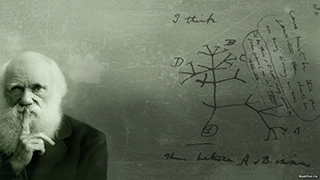
Treating Disease with Fecal Transplantation
Fossils of miniature humans (hobbits) discovered in Indonesia
Paleontology
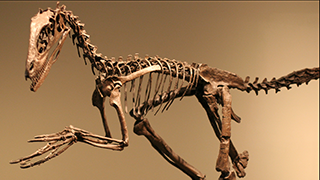
Dinosaur tail, complete with feathers, found preserved in amber.
Astronomy

Mysterious fast radio burst (FRB) detected in the distant universe.
Big Data & Informatics

Big Data: Buzzword or Big Deal?
Hacking the genome: Identifying anonymized human subjects using publicly available data.